SEARCH RESULTS FOR:

Search Results

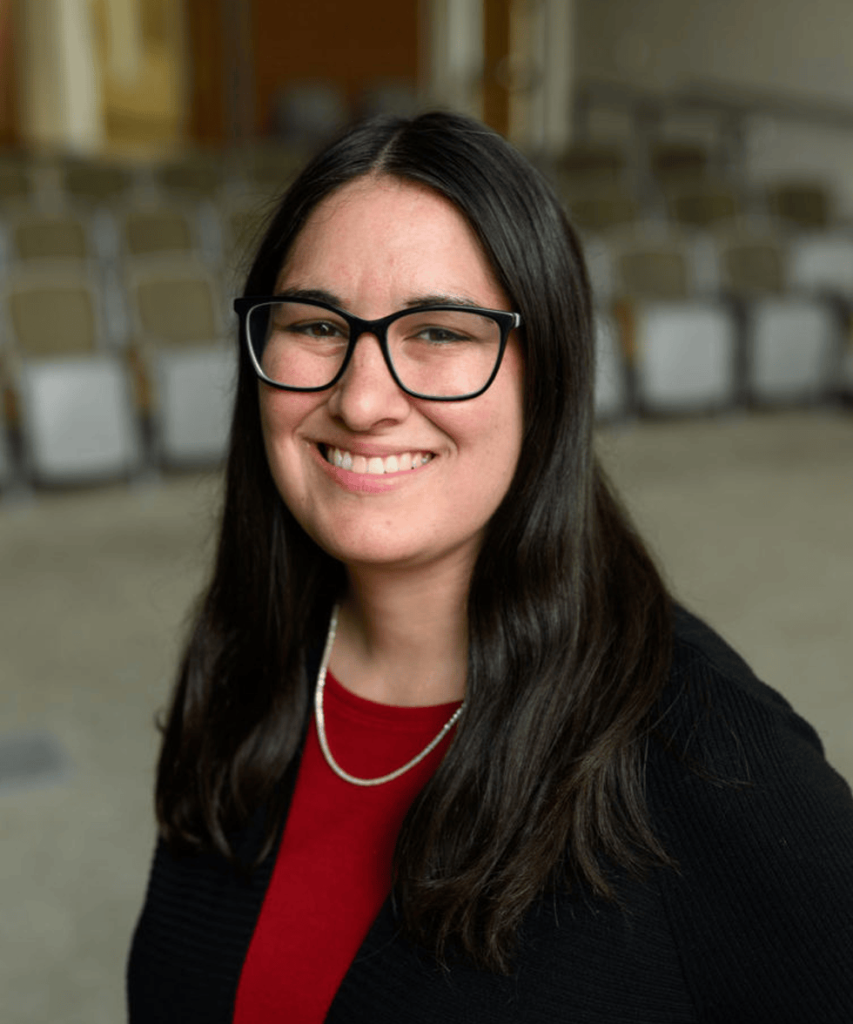
National Kinship Care Month: Q&A with Kentucky Kinship Resource Center’s Tara Pulaski

LEXINGTON, Ky. (September 30, 2026) – National Kinship Care Month, recognized each September, celebrates the grandparents, relatives, and close family friends who provide care and support for children in their families and communities. Throughout the month, the UK College of Social Work (CoSW) is recognizing kinship caregivers across Kentucky and highlighting the resources and support available through the Kentucky Kinship Resource Center (KKRC).

Tara Pulaski, Kentucky Kinship Resource Center kinship navigator supervisor, sat down with the CoSW to discuss the importance of National Kinship Care Month, the unique experiences of kinship families and how the KKRC is working to ensure caregivers across the Commonwealth have access to the support they need.

What is your position with the Kentucky Kinship Resource Center and what do you do on a day-to-day basis?

I am the Kinship Navigator Supervisor for KY-KIN Connect. Our program helps kinship caregivers navigate complex systems and connects them with additional resources, typically early in their kinship journey. I manage the program, assist our 10 Kinship Navigators, and get the privilege of talking to kinship caregivers, too.

What inspired you to work with the KKRC?

Kinship care is deeply woven into our family story. Both my husband and I had experience with kinship care as children. We’ve also been kinship caregivers ourselves for the last four years. From those experiences, I want to help ensure that kinship caregivers in Kentucky have all the support they need and deserve for themselves and the children in their care.

What do you enjoy most about working with kinship families?

Kinship families are some of the most resilient, amazing, loving, and funny people you’ll ever meet! They have such big hearts. I deeply respect them for stepping up and helping their kin.

How do the resources at the KKRC help kinship families as they are navigating challenges?

Our services assist with tangible needs like food, utilities, and clothing, but also connection and emotional support. Kinship caregiving is a hard road. Our services ensure that families have a variety of supports to meet their individualized needs. Ultimately, our resources help build placement stability.

What advice would you share with kinship families as they are beginning their journey?

Please don’t do this alone! I highly recommend our Peer Support and Group Support programs at the KKRC. They help you connect with other families like yours, so you don’t have to do this alone. You’re doing a wonderful thing for the children in your care, but you deserve support and self-care, too.

What does National Kinship Care Month mean to you?

Kinship Care Month represents a time to reflect on both my personal and professional journeys. It’s a time to honor kinship caregivers and the children who have been in kinship care. I also take this time to think about how we can better support kinship families and children, so that they have all the supports they need. For this year’s Kinship Care Month, I want to say a BIG THANK YOU to all our kinship caregivers across Kentucky. You’re amazing!

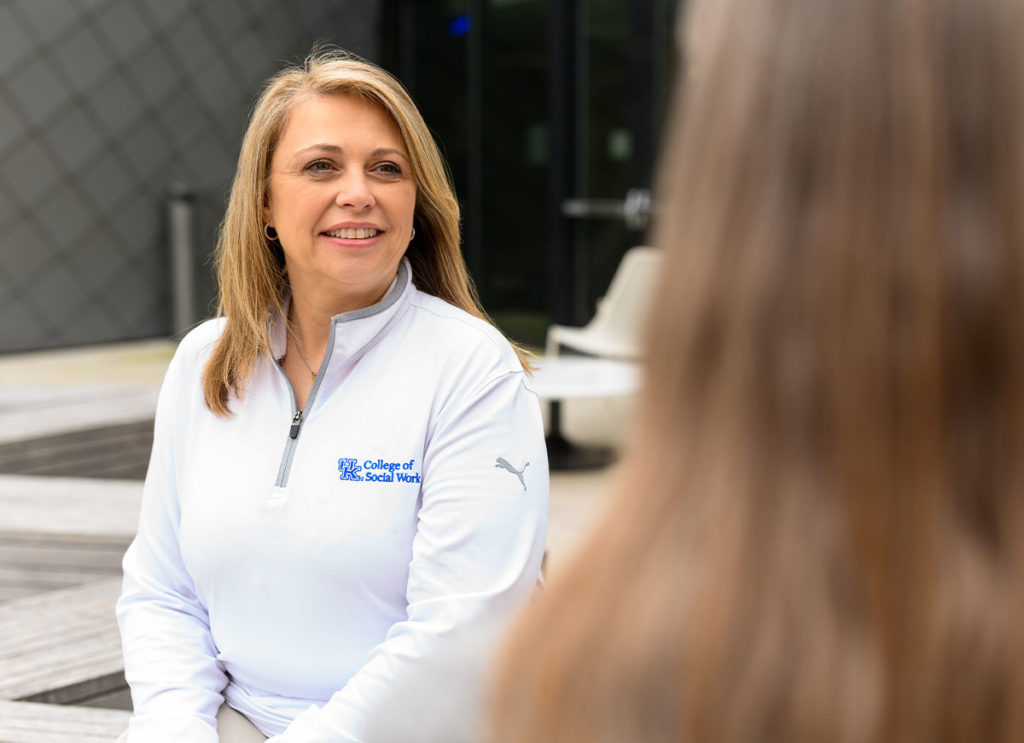
National Kinship Care Month: Q&A with Kentucky Kinship Resource Center’s Rachael Petrey

LEXINGTON, Ky. (September 29, 2026) – National Kinship Care Month, recognized each September, celebrates the grandparents, relatives, and close family friends who provide care and support for children in their families and communities. Throughout the month, the UK College of Social Work (CoSW) is recognizing kinship caregivers across Kentucky and highlighting the resources and support available through the Kentucky Kinship Resource Center (KKRC).

Rachael Petrey, Kentucky Kinship Resource Center program coordinator, sat down with the CoSW to discuss the importance of National Kinship Care Month, the unique experiences of kinship families and how the KKRC is working to ensure caregivers across the Commonwealth have access to the support they need.

What is your position with the Kentucky Kinship Resource Center and what do you do on a day-to-day basis?

I am a Program Coordinator with the Kentucky Kinship Resource Center, where I oversee our KY-KINS Peer Support Program. On a day-to-day basis, I support and lead an exceptional team of Peer Support Specialists who help connect caregivers with individualized support and resources, collaborate with community partners, and work to strengthen our services so kinship families feel seen, supported, and less alone.

What inspired you to work with the KKRC?

As a former kinship caregiver and foster parent, this work is deeply personal to me. I understand how overwhelming it can be to step into the role of caregiver while trying to navigate unfamiliar systems, locate resources, and meet a child’s needs. My own experiences inspired me to help ensure other caregivers have the guidance, encouragement, and support they deserve throughout their journey.

What do you enjoy most about working with kinship families?

I most enjoy seeing caregivers recognize that they do not have to navigate this journey alone. Kinship caregivers make extraordinary sacrifices to provide children with safety, stability, and connection to family. It is incredibly rewarding to help them identify their strengths, overcome barriers, and feel more confident in the important role they have taken on.

How do the resources at the KKRC help kinship families as they are navigating challenges?

The KKRC provides caregivers with a place to turn for trustworthy information, practical resources, education, and meaningful support. All our programs help families better understand their options, available benefits and services, connect with community resources, build useful skills, and receive encouragement from people who understand the unique realities of kinship care. We help make complicated systems feel more manageable while ensuring caregivers know they have someone walking alongside them.

What advice would you share with kinship families as they are beginning their journey?

Give yourself grace, ask questions, and do not be afraid to accept support. You may feel like you need to have everything figured out immediately, but this journey is built one step at a time. Reach out early, connect with others who understand, celebrate the progress you make, and remember that caring for yourself is also an important part of caring for your family.

What does National Kinship Care Month mean to you?

National Kinship Care Month is an opportunity to honor the grandparents, relatives, and fictive kin who step forward, often unexpectedly, to provide children with love, safety, stability, and a continued connection to family. For me, it is also a time to make sure kinship caregivers feel recognized, valued, and supported not only during this month, but throughout the entire year. Their commitment changes the lives of children, strengthens families, and has a lasting impact on our communities for generations to come.

Pamela Weeks Honored for 20 Years of Impact at UK College of Social Work

LEXINGTON, Ky. (Sept. 28, 2026) — Following a 20-year career with the University of Kentucky College of Social Work (CoSW), Pamela Weeks, J.D., MSW, has left a lasting legacy on the College and the social work profession. On Oct. 1, at the CoSW’s Annual Recognition Celebration, she will be honored for her achievements with the “Legacy of Impact” Award.

The award recognizes an individual whose sustained commitment, service and advocacy advanced the mission of the College of Social Work and created meaningful, lasting change. Weeks will be honored for dedicating her time, talents, leadership and passion to supporting the College, its students and the communities it serves.

A 1978 graduate of the CoSW’s Master of Social Work program, Weeks began her professional career in social work, working primarily with children and families, before pursuing a law degree. Advocacy played a central role in her work, sparking her interest in the law.  As an attorney, there was potential to have an impact on the systems that served children and families and how those systems implemented the law.

She earned her J.D. from the UK College of Law in 1989 and became a certified mediator in 1992. She went on to practice at the intersection of the two professions; including working with the Kentucky Department of Education as a member of the Exceptional Children Appeals Board and as an administrative hearing officer, presiding at due process hearings involving appropriate education for children with disabilities.

Pamela Weeks (left) at her UK College of Law graduation in 1992.
Pam Weeks (left) at her UK College of Law graduation in 1992.

Although law became an important part of Weeks’ professional path, social work remained at the center of her work. Her experience in both fields ultimately brought her back to the College of Social Work, to assist in developing programs with the College of Law and the Cabinet for Health and Family Services. Weeks originally joined the CoSW in a part-time capacity, expecting the position to be temporary.

“I agreed to come on a part-time status to help develop these projects. My intent was to be there for a short amount of time,” Weeks said. 

That decision marked the beginning of a 20-year career defined by impact, growth and a willingness to pursue new opportunities.

During her time with the College, Weeks served as a clinical assistant professor from 2000-2006 and clinical associate professor from 2007-2022, as well as child welfare field education program coordinator from 2000-2003. Building on her experience in the field, she became director of child welfare education programs in 2003, collaborating in designing, developing and implementing a statewide workforce development program in public child welfare.

As the College continued to grow, Weeks was named director of field education in 2012, overseeing the graduate and undergraduate field education programs and the development and implementation of field education policies, procedures and curriculum.

For Weeks, that path was not the result of a methodical, carefully planned career. Instead, it came from following her passions and remaining open to new opportunities.

“I’d like to say that I’ve had this thoughtful, well-planned approach, but really, it wasn’t. I know what interests me when I see it,” Weeks said. “Sometimes it’s just grabbing that opportunity and thinking, ‘All right, let’s do it.’”

One of those opportunities was expanding the presence of social workers in spaces where they had not traditionally practiced. Weeks helped develop an Integrated Behavioral Health Program (IBH) in collaboration with the College of Health Sciences and College of Medicine.

“IBH students will learn how to address behavioral health concerns including mental illness, family violence, psychological trauma and substance misuse, as well as behavioral components in conditions such as diabetes, insomnia and chronic pain,” Weeks said as the program expanded with the second HRSA grant in 2017. “MSW IBH students will integrate classroom learning with hands-on clinical experience in primary care settings to offer access to services for patients with a wide range of behavioral health problems.”

The program helped prepare MSW students to practice in integrated healthcare settings, expanding opportunities for the profession while improving access to behavioral health services. For Weeks, seeing social workers become established, respected members of health care teams remains one of the accomplishments she is most proud of.

“For me, I think the success was in expanding opportunities for social workers in medical settings and other multidisciplinary spaces, and seeing other professions recognize the value that a social worker brings to all these different environments and the clients they serve,” Weeks said.

Reflecting on her time with the CoSW, Weeks is reminded of the possibilities that come with a career in social work and the many spaces the profession can occupy. Because social work encompasses so many different aspects of life, she encourages students to find the area that speaks to them and remain open to where their careers may lead.

Her biggest piece of advice for future social workers? Follow your passion.

“Follow your passion to what really drives you to want to make a difference,” Weeks said. “Be flexible enough to know when a certain path is not the correct path and be willing to change the path.”

Since retiring from the College in 2022, Weeks has continued to follow that advice. She enjoys traveling and spending time with her family, while also staying involved in her community volunteering with CASA, Floracliff Nature Sanctuary and the Osher Lifelong Learning Institute at UK.

For Weeks, a career that began without a carefully mapped-out plan ultimately became two decades of sharing lessons from her 25 years of practice experience and creating opportunities for students, social workers, and the profession itself.

As she returns to the College on October 1 to receive the Legacy of Impact Award, the honor recognizes not only the work she accomplished during her time at CoSW, but the impact that continues through the programs she helped build, the students she supported and the spaces she helped open to social workers.

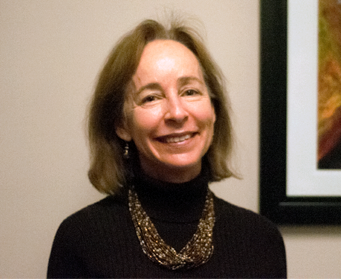
National Kinship Care Month: Q&A with Kentucky Kinship Resource Center’s Sheila Rentfrow

LEXINGTON, Ky. (September 22, 2026) — National Kinship Care Month, recognized each September, celebrates the grandparents, relatives, and close family friends who provide care and support for children in their families and communities. Throughout the month, the UK College of Social Work (CoSW) is recognizing kinship caregivers across Kentucky and highlighting the resources and support available through the Kentucky Kinship Resource Center (KKRC).

Sheila Rentfrow, Kentucky Kinship Resource Center program manager, sat down with the CoSW to discuss the importance of National Kinship Care Month, the unique experiences of kinship families and how the KKRC is working to ensure caregivers across the Commonwealth have access to the support they need.

What is your position with the Kentucky Kinship Resource Center and what do you do on a day-to-day basis?

My name is Sheila Rentfrow and I am the Kinship Program Manager for the Kentucky Kinship Resource Center (KKRC).  Each day my goal is to ensure that:

1. All of our kinship programs are available to every kinship caregiver throughout the Commonwealth.

2. Every caregiver experiences the level of support they need from our staff and our programs.

3. We are identifying struggles and challenges that exist for kinship families and are innovating new methods for meeting those challenges.

4. All caregivers feel more confident and cared for a result of participating in our programs.

What inspired you to work with the KKRC?

I have always had a heart for children and families.  In my career, I have worked with birth families, kinship families, foster families, and adoptive families in a variety of roles supporting child and family well-being. This work has allowed me to see both the challenges families face and the incredible resilience and love they demonstrate every day.

I was excited at the opportunity to work at the Kentucky Kinship Resource Center because of its commitment to supporting kinship caregivers who step up to care for children in the midst of difficult family circumstances.  These caregivers step forward to work with social workers, therapists, lawyers, judges, and school personnel in the midst of confusion and uncertainty to provide their kids with what they need most: security, stability, and love.

I wanted to be a part of a program that supports a caregiver’s dedication and strength by helping them receive the resources they need to be successful.  To be able to provide programs that will walk alongside them to guide them as they navigate these systems is both meaningful and rewarding.

What do you enjoy most about working with kinship families?

I have always admired the heart that comes with being a kinship caregiver.  Their desire to provide the very best for their children and their families, despite not knowing all the answers, and their willingness to step into a difficult situation with courage and love is truly inspiring.

What I enjoy most is watching caregivers discover their own strength.  Many caregivers begin this journey feeling overwhelmed, uncertain, and alone in caring for their family. As they gain confidence through support and resources, it is rewarding to watch as they share that knowledge with other kinship caregivers-offering encouragement and hope.

I also enjoy hearing their stories. Stories that often begin with heartbreak and uncertainty, ultimately become stores of resilience and joy. Kinship caregivers make tremendous sacrifices to provide children with security and a sense of belonging. It is a privilege to work with them as they create safe, loving homes where children and their family can grow stronger together.

How do the resources at the KKRC help kinship families as they are navigating challenges?

Our goal at the KKRC is to assist kinship families by providing support, information, and connections at every stage of their journey. From the time in which they begin caring for a child until they feel confident in their role, our focus is helping caregivers find the resources and support they need to be successful. Kinship caregiving often involves caregivers navigating systems they have never worked with before or have not been involved with in quite a long time.  We strive to meet caregivers where they are, provide guidance in navigating these systems, connection to resources that can help, offer encouragement and support for the journey in the hope of making this journey a little less overwhelming.

What advice would you share with kinship families as they are beginning their journey?

The biggest piece of advice is to remember that you do not have to have all of the answers (even if you have raised children in the past) and you don’t have to try to figure it out alone.  Becoming a kinship caregiver often happens unexpectedly – it is completely normal to feel overwhelmed, lost, unsure, or even fearful.  Give yourself time to adjust, to ask questions, and to reach out for help.  There are resources and people who can help you navigate the systems, understand your options, and find support for both you and the children in your care. Accepting help is not a sign that you are struggling—it is a strength and an important part of caring for your family.

Remember too, why you stepped forward. The love, stability, and security you are providing for that child can make a lasting difference in their life, shaping the person they become.  Be sure to take each day one day at a time, celebrate the small victories, and give yourself (and your family) lots of grace along the way. What you are doing is incredibly important and we’re here to help.

What does National Kinship Care Month mean to you?

National Kinship Care Month is an opportunity to recognize and celebrate the incredible commitment and strength of kinship caregivers. Every day, grandparents, aunts/uncles, siblings, cousins, family friends, teachers, babysitters, and neighbors step forward to help a child during some of the most difficult and uncertain moments not only in the child’s life, but in their family’s lives as well.

During this month, I want caregivers to know that what they are doing matters. Their courage to step into this caregiving role, working with people and systems they are unfamiliar with, to provide the stable home and love that a child needs should be recognized and supported.

I also hope that National Kinship Care Month helps to raise awareness to the many challenges that families face in caring for their children and because of that, we must continue to innovate and develop new resources and supports they need.

Most of all, Kinship Care Month is a time to say thank you to the caregivers who step forward.  We see you, we appreciate you, and we are honored to walk with you.

UK Kentucky Kinship Resource Center helps kinship caregiver find support, community

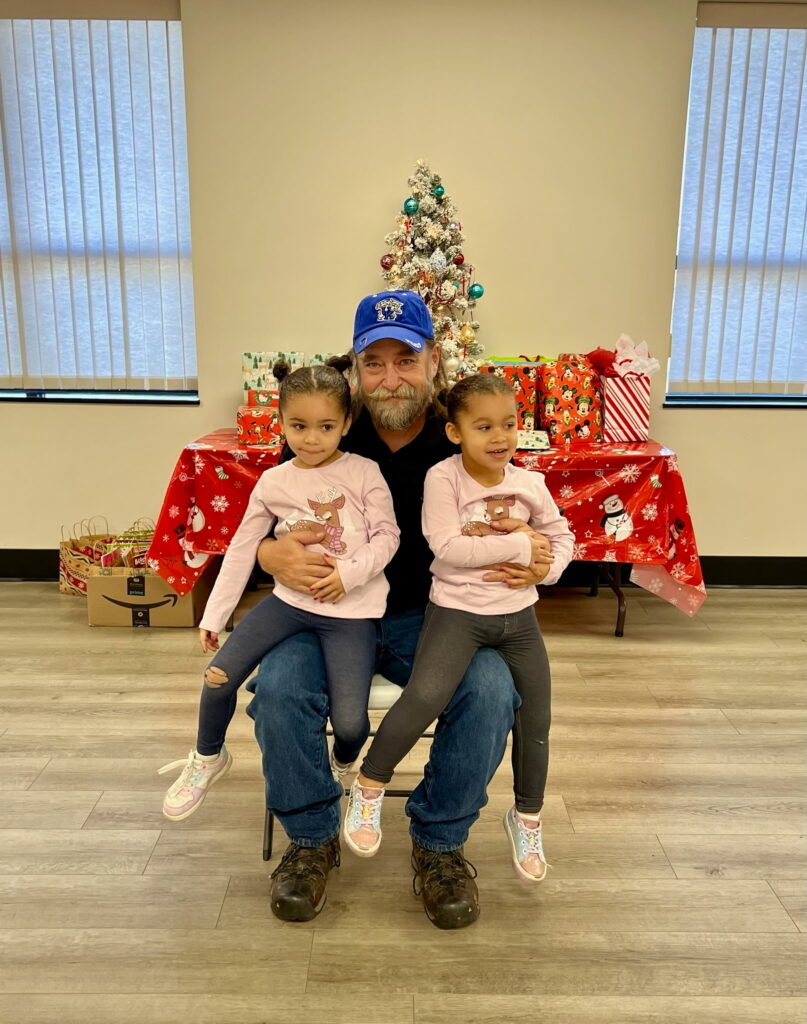
LEXINGTON, Ky. (September 16, 2026) — At 50 years old, Christopher Rhodus wasn’t expecting to be raising two young girls, but now, with the support of the Kentucky Kinship Resource Center, he can’t imagine his life any other way.

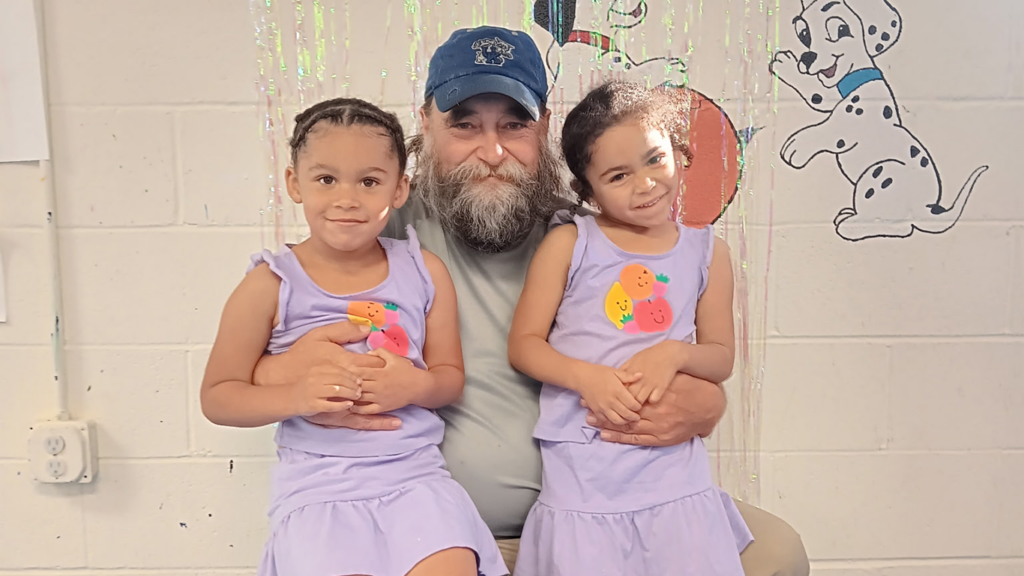
Beginning his kinship caregiver journey three years ago, Rhodus and his wife received custody of their two granddaughters, Zoe and Zamiya, after their parents struggled with substance abuse. Now, with full custody of his granddaughters, Rhodus is fulfilling his role as both grandpa and primary caregiver.

“It was an adjustment being their Papaw while also taking care of school, bus, daycare, all the fun stuff that comes along with it,” Rhodus said. “But they’re my little angels, and I can be there to watch over and protect them and make sure that nothing happens to them.”

With the addition of his granddaughters, Rhodus now works his 9-to-5 job, as well as delivering groceries after his regular workday to make sure he can provide for Zoe and Zamiya.

Chris Rhodus and his granddaughters, Zoe and Zamiya

His journey has not been without challenges. Rhodus has navigated childcare needs, insurance-related issues and financial strain. Despite these pressures, he has continued moving forward with determination and has never lost sight of what matters most — the well-being of his granddaughters.

Navigating this new role, Rhodus found support and community through the Kentucky Kinship Resource Center (KKRC). After discovering the KKRC through a Google search, Rhodus began participating in a KIN-VIP Support Group, as well as meeting one-on-one with his Kinship Peer Support Specialist Melanie Francis.

“Chris’ dedication to his granddaughters is evident in every aspect of his life,” Francis said. “Even while balancing long hours and significant caregiving responsibilities, he remains focused on creating a secure and nurturing home where Zoe and Zamiya can grow and thrive.”

The KKRC offers a continuum of free services designed to meet kinship families where they are, connecting caregivers across Kentucky with one-on-one peer support, virtual support groups and on-demand trainings and webinars.

As the KKRC recognizes National Kinship Care Month this September, Rhodus is sharing his experience to remind other caregivers that they aren’t alone and that help is available. After beginning his participation in his support group as a listener, Rhodus is now sharing what he has learned throughout his own journey.

His biggest piece of advice to new kinship caregivers? Don’t be afraid to ask for help.

“The advice I would give to a new kinship caregiver would be to be willing to take advice and be willing to ask for help,” Rhodus said. “For some of us, asking for help is not easy. I was never somebody that wanted help with anything. If I found a way to do it, I’d do it myself and never worry about it. But there’s times in life where it’s better to ask for help because you never know what you can find or what all can happen.”

Keeping Zoe and Zamiya at the forefront of everything he does, Rhodus is reminded each day why being Papaw is his favorite role.

“The most rewarding part about being a kinship caregiver so far has been just the sheer amount of love the kids give,” Rhodus said. “They are so happy when you walk in the room, you can feel the joy coming off them. And you feel that because they’re home, because they’re happy, because they’re safe, because they’re taken care of, it just makes every day a little bit better.”

UK announces first-of-its-kind graduate certificate in sport social work

LEXINGTON, Ky. (September 15, 2026) — The University of Kentucky College of Social Work (CoSW) is expanding its leadership in the growing specialty of sport social work with the launch of a new Graduate Certificate in Sport Social Work, the first graduate certificate of its kind in the nation. 

The fully online, nine-credit-hour certificate prepares Master of Social Work students and post-graduate professionals to address the unique mental health, behavioral health and social needs of athletes, teams and sport organizations through evidence-informed practice. 

As sport organizations increasingly recognize the importance of supporting athletes beyond physical performance, the demand for professionals with specialized training in athlete wellbeing, mental health and systems-level intervention continues to grow. The new certificate equips social workers with the knowledge and practical skills needed to meet those evolving needs across youth, collegiate, and professional sport settings.  

“Sport is much more than competitive outcomes,” said Matt Moore, Ph.D., associate dean for academic and student affairs and director of the graduate certificate. “It has the power to shape mental health, personal development, and community wellbeing. This certificate prepares social workers to support athletes and the systems surrounding them while helping create healthier, safer, and more inclusive sport environments.” 

The certificate builds on CoSW’s leadership in sport social work. The College is home to the Sport Social Work Research Lab and the International Institute for Sport and Behavioral Health and is affiliated with the Sport Social Work Journal and the Alliance of Social Workers in Sport. The CoSW also offers the world’s only Doctor of Social Work concentration in sport social work.  

Designed to bridge traditional social work education with the realities of athletic environments, the certificate emphasizes athlete assessment, mental health and wellbeing, ethical decision-making, advocacy and systems-level intervention. Students will learn to apply evidence-informed strategies while strengthening their ability to work with athletes, families, coaches, and sport organizations. 

“Social workers are uniquely positioned to strengthen the systems that support athletes both on and off the field,” Moore said. “Whether working with youth athletes, collegiate programs, professional organizations or community partners, graduates will be prepared to address challenges while promoting resilience, wellbeing and positive development through sport.” 

The certificate consists of three fully online courses totaling nine credit hours: 

  • SW 562: Introduction to Sport Social Work  
  • SW 662: Advanced Application of Sport Social Work  
  • SW 711: Trauma-Informed Practice or SW 730: Evidence-Based Practice for Social Workers  

The asynchronous format allows both current graduate students and working professionals to complete the certificate while balancing academic, professional, and personal commitments. Applications are accepted on a rolling basis.  

The program prepares graduates for careers in athletic departments, youth and community sport organizations, professional sport organizations, nonprofit agencies and clinical practice serving athlete populations. By combining social work values with specialized sport-focused training, the certificate provides learners with the tools to address emerging workforce needs while advancing mental health, social justice and positive youth development through sport.  

For more information and to apply, please visit the UK Online Graduate Certificate in Sport Social Work website. The deadline for spring 2027 enrollment is December 11, 2026. 

‘Before your worst day’: UK’s CODE RED program offers new approach to suicide prevention

This story was originally published in UKNow by Breanna Williams and Lindsey Piercy.

LEXINGTON, Ky. (Sept. 14, 2026) — Did you know suicide claims nearly 50,000 lives in the U.S. each year?

That’s one life every 11 minutes.

Behind that staggering statistic are individuals, families, friends, classmates, colleagues and communities — each left to navigate the devastating impact of suicide.

September is National Suicide Prevention Month — a time to raise awareness, reduce stigma and remind communities that suicide prevention is something everyone can be part of.

It also serves as a reminder that prevention can begin before a crisis occurs.

That’s the idea behind CODE RED — a universal safety planning program launched by the University of Kentucky College of Social Work’s Suicide Prevention and Exposure Lab (SPEL).

Created by Julie Cerel, Ph.D., an internationally recognized suicide prevention expert and director of SPEL, CODE RED uses evidence-based strategies to prevent suicide by helping people feel grounded, safe and supported.

“I created CODE RED, so anyone can develop a safety plan before their worst day,” Cerel said. “The plan is built around four simple — but powerful — strategies: contact, delay, relax and distract. Together, those elements form the CODE RED approach and provide practical steps people can turn to when they need support most.”

A plan before the crisis

At the heart of CODE RED is a simple premise: Preparation can save lives.

During a CODE RED session, participants use the four simple strategies to create their own step-by-step safety plan. This gives them practical, personalized steps to turn to when they begin to feel overwhelmed or experience a crisis.

  • CO-ntact focuses on identifying people and resources a person can reach out to for support.
  • DE-lay encourages creating space between a moment of crisis and acting on suicidal thoughts or urges.
  • RE-lax helps participants identify strategies that can calm their bodies and minds.
  • D-istract provides ways to shift attention away from distress and create time for the intensity of a difficult moment to pass.

Designed for adults and children 12 and older, CODE RED can be implemented in a variety of settings, including schools, workplaces, and community and faith-based organizations.

For Leah Murphy, Ph.D., SPEL lab manager and CODE RED coordinator, creating a CODE RED plan is no different than preparing for a fire or severe weather emergency.

“I think there is a misconception that suicide is just a problem for people who have a mental health diagnosis or psychiatric disorder. That is not the case,” Murphy said. “I see CODE RED as another tool in the suicide prevention toolbox — one that can be used by anyone.”

From research to practice

The development of CODE RED builds on years of suicide prevention research conducted through SPEL, as well as Cerel’s work as a researcher, educator and advocate in the field.

SPEL’s research examines the complex realities of suicide from multiple perspectives, while its outreach and education efforts work to raise awareness, reduce stigma and empower individuals and communities to take meaningful steps toward prevention.

That work now extends to CODE RED, which has been accepted into the Suicide Prevention Resource Center’s Best Practices Registry. The registry recognizes evidence-based suicide prevention programs and interventions that meet established standards for quality and effectiveness.

“Being included in the Best Practices Registry is an important milestone, because it demonstrates that CODE RED is grounded in evidence and has the potential to make a meaningful difference in communities,” Cerel said. “Our goal has always been to create a practical, accessible program that anyone can use and that organizations can confidently implement to support suicide prevention.”

Turning preparation into action

There are two ways to get involved with CODE RED: by participating in a workshop or becoming a certified CODE RED facilitator.

CODE RED workshops introduce participants to universal safety planning and guide them through creating their own personalized plan. Sessions are available in person or virtually and are designed to be interactive, engaging and accessible.

Organizations and professionals can also become certified CODE RED facilitators, allowing them to deliver the program within their own communities.

The goal is to put another practical tool into the hands of people who may one day need it — whether for themselves or someone they know.

“Suicide prevention doesn’t have to be complicated,” Cerel said. “Sometimes, having a simple plan and knowing what steps to take can make all the difference.”

To learn more about CODE RED, participate in a workshop or schedule an information session about facilitator certification, visit the CODE RED website.

CODE RED plans center on 988, the Suicide & Crisis Lifeline, which provides free, confidential support 24/7 by phone, text and chat. Participants are encouraged to call or text 988 if the other strategies outlined in their plan are not working or they need additional support.

As the state’s flagship, land-grant institution, the University of Kentucky exists to advance the Commonwealth. We do that by preparing the next generation of leaders — placing students at the heart of everything we do — and transforming the lives of Kentuckians through education, research and creative work, service and healthcare. We pride ourselves on being a catalyst for breakthroughs and a force for healing, a place where ingenuity unfolds. It’s all made possible by our people — visionaries, disruptors and pioneers — who make up 200 academic programs, a $1.02 billion research and development enterprise and a world-class medical center, all on one campus.

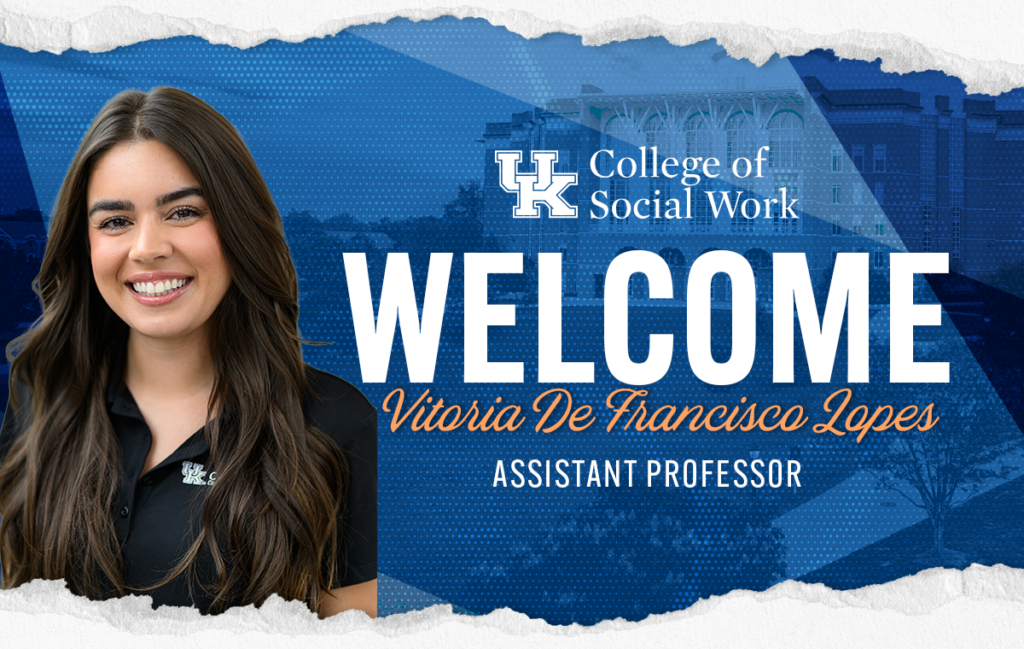
UK College of Social Work welcomes Vitoria De Francisco Lopes to criminal justice faculty

LEXINGTON, Ky. (September 9, 2026) — The University of Kentucky College of Social Work (CoSW) has announced Vitoria De Francisco Lopes, Ph.D., will join the College as an assistant professor, bringing experience in juvenile justice, criminal justice policy and research to the CoSW’s growing criminal justice programs. 

Born in Brazil and raised in New York City, De Francisco Lopes comes to UK from the University of Mississippi, where she earned her Ph.D. in criminal justice policy studies in 2026. Her academic and professional experiences have taken her from New York to Florida and Mississippi, shaping her interest in the systems and policies that affect youth and families. 

“Dr. De Francisco Lopes brings an important combination of research expertise and direct experience within the juvenile legal system,” said Jackie Duron, Ph.D., associate dean for faculty advancement. “Her work examining decision-making, family dynamics and the experiences of young people involved in the legal system will strengthen our criminal justice program and provide valuable opportunities for our students.” 

Before entering academia full time, De Francisco Lopes worked as a juvenile probation officer with the Florida Department of Juvenile Justice in Tampa, giving her hands-on experience with many of the systems she now studies. 

During her doctoral training at the University of Mississippi, she served as a graduate research assistant while teaching undergraduate courses, including Theories of Criminal Behavior, as well as graduate courses in the Master of Criminal Justice program. 

De Francisco Lopes’ research focuses on judicial and law enforcement decision-making in juvenile courts, family dynamics and delinquency, adverse childhood experiences and minimum age policies. Her work has been published in journals including Crime & Delinquency, American Journal of Criminal Justice, Youth Violence and Juvenile Justice and Child Protection and Practice. 

“My experience working directly with young people in the juvenile justice system continues to shape the questions I ask as a researcher and educator,” De Francisco Lopes said. “I’m excited to bring those experiences to UK and work with students as they develop their own understanding of criminal justice policy and practice.” 

De Francisco Lopes earned both her Ph.D. and Master of Criminal Justice from the University of Mississippi. She earned her Bachelor of Arts in criminology and sociology from Flagler University. She is also a certified Court Appointed Special Advocate (CASA) and completed the Academy of Criminal Justice Sciences Doctoral Summit Fellowship. De Francisco Lopes is proficient in Stata and Mplus for statistical analysis and speaks Portuguese and Spanish in addition to English. 

“I look forward to continuing my research while collaborating with faculty and students across the College,” De Francisco Lopes said. “UK provides an exciting environment to connect research, teaching and practice while examining ways we can strengthen the systems that serve young people, families and communities.” 

Outside of academia, De Francisco Lopes enjoys journaling, painting and watching reality television. She also spends time with her mini goldendoodle, Simba, who she jokes serves as her research assistant. After recently moving from Mississippi to Lexington, she looks forward to exploring the city and finding her favorite local spots. 

Annual Medically Complex Training builds knowledge, community for Kentucky caregivers

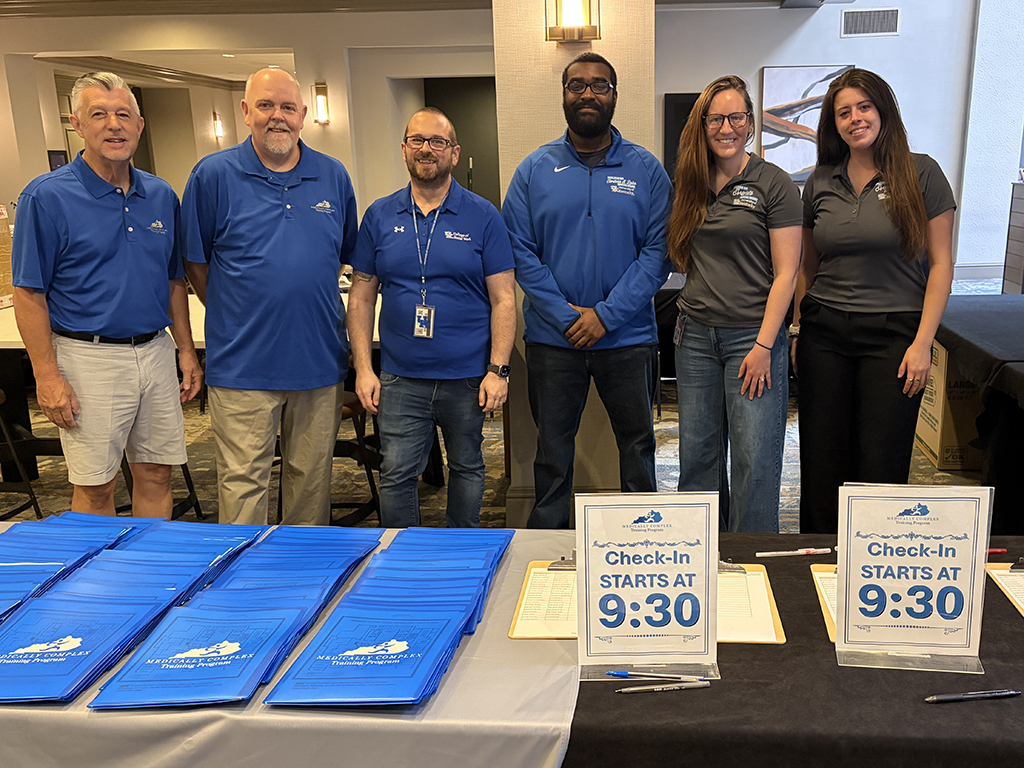
LEXINGTON, Ky. (August 26, 2026)— Twice a year, the University of Kentucky College of Social Work’s Medically Complex Training Program welcomes caregivers from across the Commonwealth to participate in a three-part training session, equipping families with the tools and information needed to care for children in out-of-home care with complex medical needs.

Wrapping up Aug. 22, the annual fall training took place over Zoom and in person in Lexington. The in-person training welcomed caregivers and nurses and featured 10 highly qualified speakers:

  • Kristina Decker, Ph.D. — Sleep
  • Lisal Folsom, M.D. — Pediatric Weight Management
  • Alissa Briggs, Ph.D. — Promoting Social and Emotional Health
  • Hillary Rieger, LCGC — Genetic Disorders
  • Brittney Gray, Ph.D. — ACEs
  • Jamie Adkins, MS-CCC-SLP — Speech Language Pathology
  • Lucena Davis, RN, BSN — Failure to Thrive
  • Stephanie Stockburger, M.D. — Parenting Children with Behavioral Problems
  • Lindsey Mullis, Ph.D. — Physical Activity for Families
  • Rahul Joseph, M.D. — NICU Babies: What to Look for

The statewide event provides 12 hours of ongoing training credit. Foster and adoptive parents can select from a variety of training topics, allowing them to choose the information most relevant to the needs of the child in their care.

“At every event, we are very lucky to have expert speakers, and this event was no exception,” said Dave Giannini, Medically Complex Training Program coordinator. “Because of this, we have been able to meet parents where they are and provide them with training that impacts their lives, as well as those of medically complex foster care children.”

Since 2003, the program has developed, coordinated and conducted this type of training for foster and adoptive parents and social service workers statewide. The guidelines for training content are established by the Cabinet for Health and Family Services Department for Community Based Services (DCBS) Standards of Practice, as well as Kentucky law.

The training also gives caregivers the opportunity to connect, engage and build community with other medically complex caregivers across the state.

“One of the highlights of our event is being able to watch medically complex parents connect with one another. Given the amount of time they must dedicate to child care, specialists’ appointments and hundreds of other responsibilities, they do not often have the opportunity to speak with those who are also going through the same things,” Giannini said. “The moments in between classes are just as impactful as during.”

For more information on the Medically Complex Training Program, visit the Training Resource Center’s website or contact Dave Giannini at dave.giannini@uky.edu.

UK social work researcher Taylor Dowdy-Hazlett receives national award to improve outcomes for youth in foster care

LEXINGTON, Ky. (August 18, 2026) — University of Kentucky College of Social Work (CoSW) assistant professor Taylor Dowdy-Hazlett, Ph.D., has received a Research in Emerging Areas Critical to Human Health Loan Repayment Program (LRP-REACH) Award from the Eunice Kennedy Shriver National Institute of Child Health and Human Development (NICHD), recognizing her research to improve outcomes for youth in foster care. 

The award supports early-career researchers pursuing emerging areas of biomedical and behavioral research that address critical gaps in human health and demonstrate strong potential for long-term impact. Through the NIH Loan Repayment Program, researchers are able to devote more time to advancing research careers by reducing the financial burden of educational debt.  

Dowdy-Hazlett’s research focuses on improving wellbeing and outcomes for children and families involved in child welfare, with a particular focus on foster and kinship care, placement stability, trauma, and caregiver wellbeing. Through intervention research, program evaluation, and applied research, she examines how evidence-informed approaches can strengthen caregivers, improve service systems, and promote better outcomes for children and families.  

“This award allows me to continue pursuing research focused on developing and evaluating interventions that improve outcomes for children involved in the child welfare system,” said Dowdy-Hazlett. “My goal is to better understand what works to support children and promote placement stability and use that knowledge to develop more effective programs and policies that can improve outcomes for young people.” 

At the College of Social Work, Dowdy-Hazlett works with youth, child welfare professionals and community organizations to develop research that translates into meaningful change. Her work uses a range of research approaches, including mixed methods, program evaluation and intervention research, to better understand the experiences of children and families and identify ways to strengthen child welfare programs, services and systems. 

In addition to her research, Dowdy-Hazlett has been an advocate for youth in foster care through community engagement and fundraising efforts. Coming up in October, she will run the Chicago Marathon to raise awareness and support for young people with foster care experience, reinforcing her commitment to advancing both research and real-world impact. 

“The challenges facing youth involved in the child welfare system are complex, but so are the opportunities to make a difference,” Dowdy-Hazlett said. “Receiving this award reinforces the importance of investing in research that not only expands our understanding but also leads to practical solutions that improve lives.” 

The award further strengthens the CoSW’s growing portfolio of research focused on improving the health and well-being of children, families and communities through evidence-informed practice.