SEARCH RESULTS FOR:

Search Results

Social Work Student Receives NextGen Service Fellowship

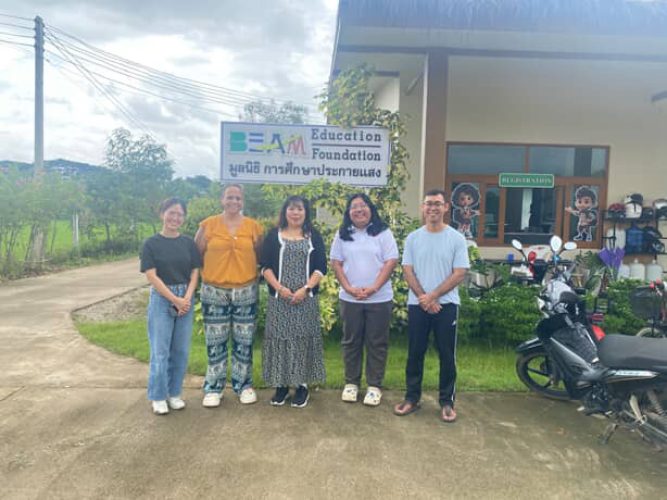
LEXINGTON, Ky. โ€“ Social Work has taken Angelita Lazaro many places but most recently, the Master of Social Work (MSW) student at the University of Kentucky College of Social Work (CoSW) made the journey to Thailand, receiving the NextGen Service Fellowship from the Institute of International Education (IIE).

IIE, with support from The Rockefeller Foundation and Outrider Foundation, announced the launch of the new fellowship to equip the next generation of public service leaders with professional experience in international development careers. The NextGen Service offered 52 American undergraduate and graduate students the opportunity to support communities overseas, where they worked with organizations focused on fields including education, public health, agriculture, the environment and economic development.

Lazaro was one of eight UK students that were selected to receive funding from the program to complete service projects around the globe and she was placed Mae Sot, Thailand, working on a child abuse prevention and awareness program.

โ€œMy experience in Thailand was eye-opening. I learned resilience, acceptance, and perspective, lessons Iโ€™ll carry with me forever,โ€ Lazaro shared. โ€œIโ€™d say to anyoneโ€”if you can go to Thailand, do it. And if you can volunteer while youโ€™re there, even better.โ€

The NextGen Service Fellowship funds studentsโ€™ travel and provides a stipend and placement costs at nonprofit and community-based organizations throughout Africa, Southeast Asia and Latin America and the Caribbean this summer.

The selection of fellows and oversight of their participation is fully managed by IIE. Upon returning from their international placements, each fellow will share a reflective report outlining how the experience shaped their professional development and contributed to the communities they served.

Graduating with her MSW in December 2026, Lazaro chose social work because of her upbringing, often paying for her school clothes by collecting aluminum cans. Now, she has been working in the social work field for 22 years, working in treatment facilities, as well as working for the Suicide Prevention and Crisis Line and the Child Abuse and Neglect Hotline, among other positions.

โ€œMy experience growing up taught me to give myself and others grace,โ€ Lazaro said. โ€œI try to meet people where they are, knowing everyone is doing the best they can in any given moment.โ€

That perspective is one she brought to Thailand during her four-week fellowship this summer. Lazaro shared the most rewarding part of her time spent was connecting with the families in Mae Sot and helping to deliver food and supplies, as well as her work with the child abuse and prevention program.

โ€œIt was an enlightening experience that I would recommend to all students. I learned a lot about Buddhism, the culture, and myself,โ€ Lazaro said.

The Crucial Inches in Sport: Sport Social Work and Winning the Mental Game

In elite sports, the difference between greatness and disappointment is often a matter of inches. A fingertip catch in the World Series, a photo-finish at the Kentucky Derby, or a shot in the Stanley Cup finals that rings off the post. These are the moments that separate champions from the rest. At the highest levels, where everyone is physically gifted, it is not just about strength, speed, or skill. The margins are razor-thin, and every inch counts.

Just ask Michael Phelps, who won the 100m butterfly at the 2008 Olympics by one one-hundredth of a second over Milorad ฤŒaviฤ‡. Or consider the 2022 NFL playoffs, when the Kansas City Chiefs beat the Buffalo Bills in overtime after a 13-second drive that covered just enough inches to tie the game. These moments illustrate how elite sports are defined not by dominance, but by the slimmest of margins.

While physical distances matter, perhaps the most critical inches in sport are the ones that cannot be measured by football chains, video replay, or a photo finish. They are the inches between your ears, the mental space where self-belief, focus, fear, and pressure collide. At the highest level, talent is a given. What often distinguishes the champions from contenders is the strength of the mind.

The history of sports is rich with examples of mental collapses that underscore this truth. Greg Normanโ€™s infamous collapse at the 1996 Masters is a textbook case. Starting the final round with a six-shot lead, Norman unraveled under pressure, shooting a 78 and losing by five strokes to Nick Faldo. In tennis, Jana Novotnรก crumbled at Wimbledon in 1993, losing a 4โ€“1 lead in the final set to Steffi Graf. She had to wait five years before claiming her first Wimbledon title.

Yet, just as sport has shown us how mental fragility can bring down the best, it also showcases incredible resilience. Serena Williams has bounced back from injury, childbirth, and media scrutiny to remain one of the greatest tennis players in history. Michael Jordan famously used perceived slights to fuel his legendary playoff performances. The 2004 Boston Red Sox overcame a 0โ€“3 deficit against the Yankees in the ALCS thanks in large part to their collective belief and mental fortitude.

This yearโ€™s Masters Tournament offered a fresh reminder of how the mind can either be a battleground or a sanctuary. Rory McIlroy, long haunted by past disappointments at Augusta, delivered one of the most composed and mentally resilient performances of his career. With critics circling and the weight of nearly a decade of major-less seasons on his shoulders, McIlroy stayed present, focused, and calm despite his fair share of ups and downs. His final round 73 included six birdies, three bogeys, and two double bogeys, causing him to see numerous leaderboard changes. Yet, when it mattered most, he stuck an iron within 3 feet on the 17th, controlled damage after a wedge shot found the sand on the 18th, and on the first playoff hole hit the same wedge shot that found that sand 15 minutes earlier within two feet of the hole for a tap in put and a place in the history books. He is now one of six male golfers to win all four major championships โ€“ joining Gene Sarazan, Ben Hogan, Gary Player, Jack Nicklaus, and Tiger Woods.

This brings us to an often overlooked but increasingly vital part of elite sports. How do we prepare elite athletes for the pressures they will face from fans, the media, coaches, and themselves. The College of Social Work (CoSW) at the University of Kentucky believes one piece to this puzzle is the involvement of sport social workers. As mental health professionals embedded in athletic environments, sport social workers help athletes prepare not just physically but psychologically. They understand the unique pressures that come with elite performance. This includes the impact of athletic identity, mental toughness, sport culture, and the strain of expectation. Much like in other areas of social work practice, sport social workers highly trained in building the mental and emotional resilience that athletes need to perform under pressure.

Sport social workers proactively equip athletes with the tools they need long before the final hole or the fourth quarter. From mindfulness training to emotional regulation strategies, from building a positive team culture to ensuring athletes have access to comprehensive mental health services, their role is expansive and essential. To learn more about sport social work check out the Alliance of Social Workers in Sports, the Sport Social Work Journal, and the CoSW International Institute for Sport and Behavioral Health.

Remember, inches can be the difference in sport. But the most important inches are not the ones that separate a win from a loss. They are the ones inside the athleteโ€™s mind. As we continue to push for peak performance in sport, we must also invest in the people who help athletes manage those crucial mental margins. Because in the end, winning the game starts with winning the battle between your ears.

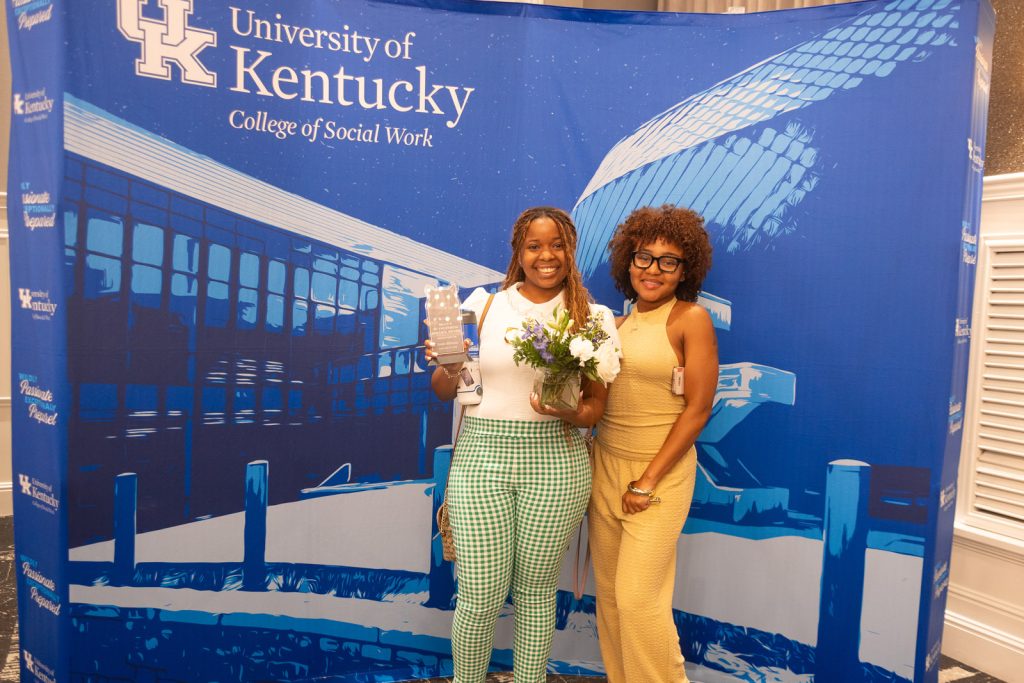
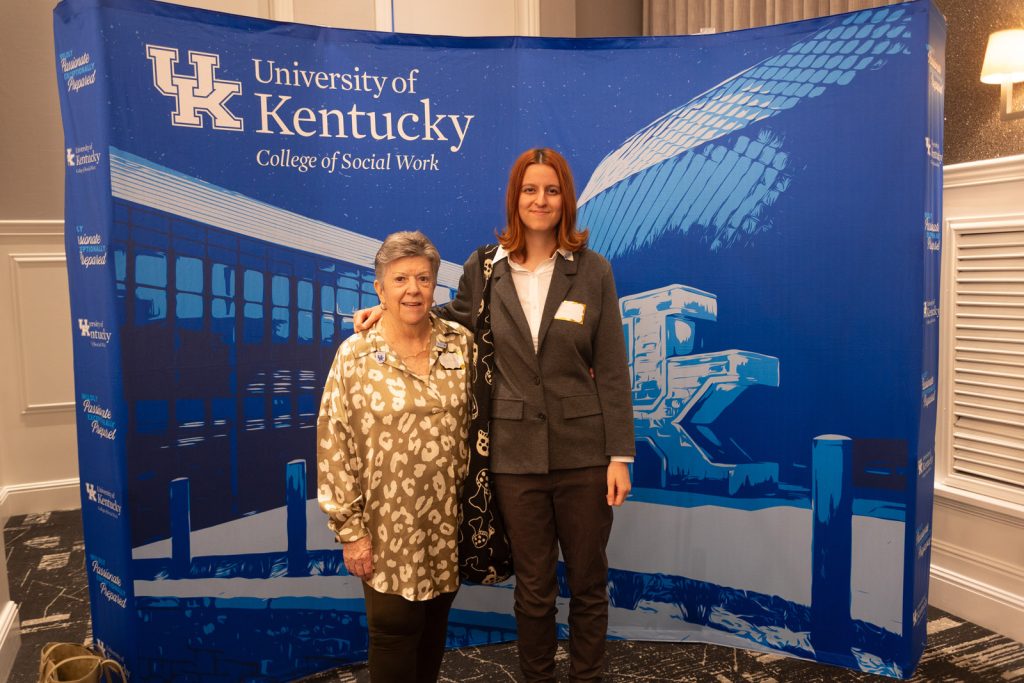
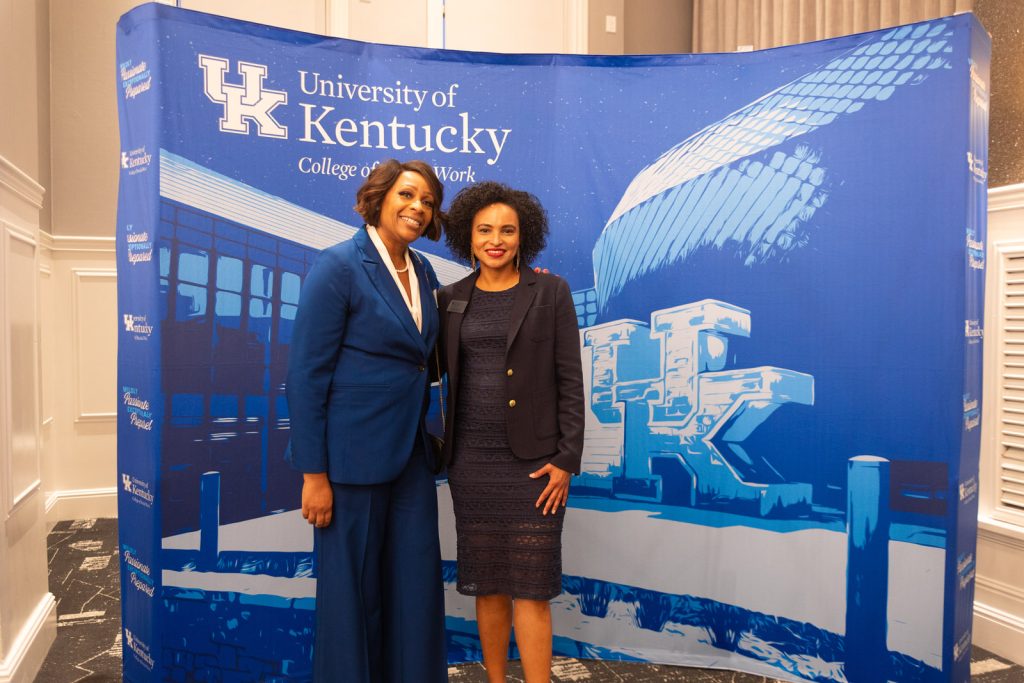
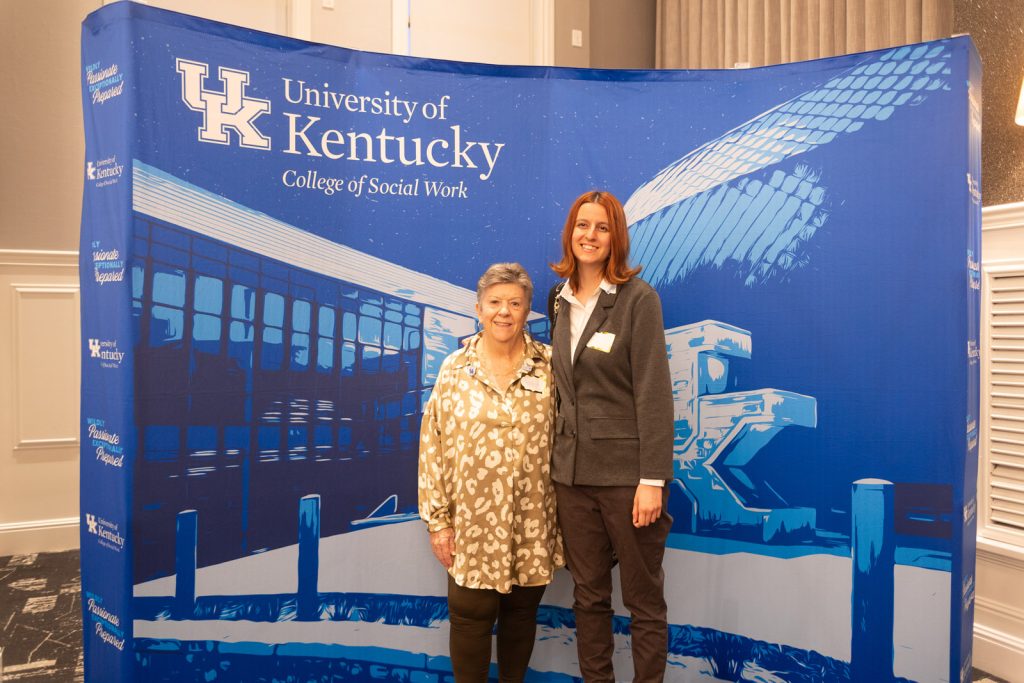
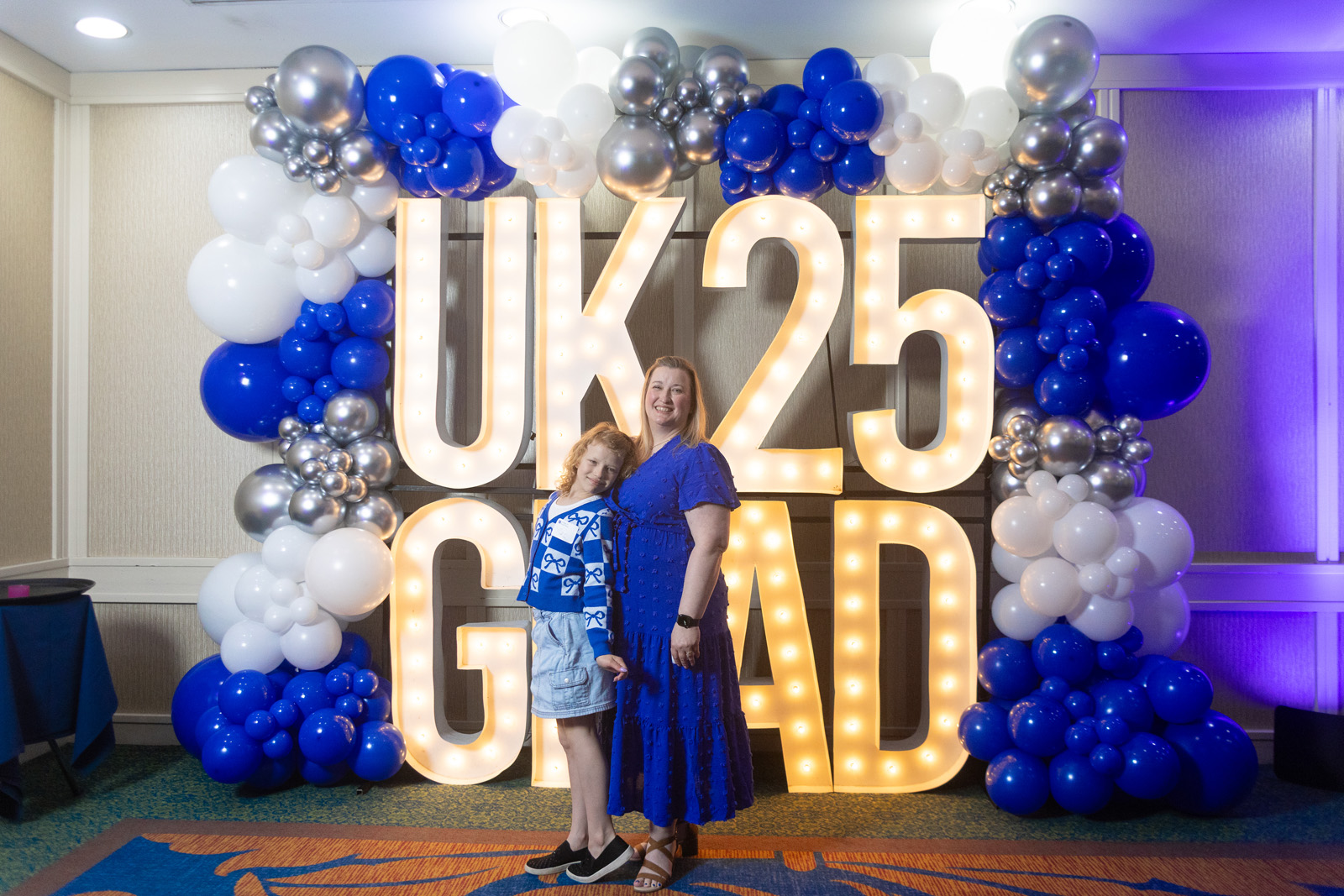
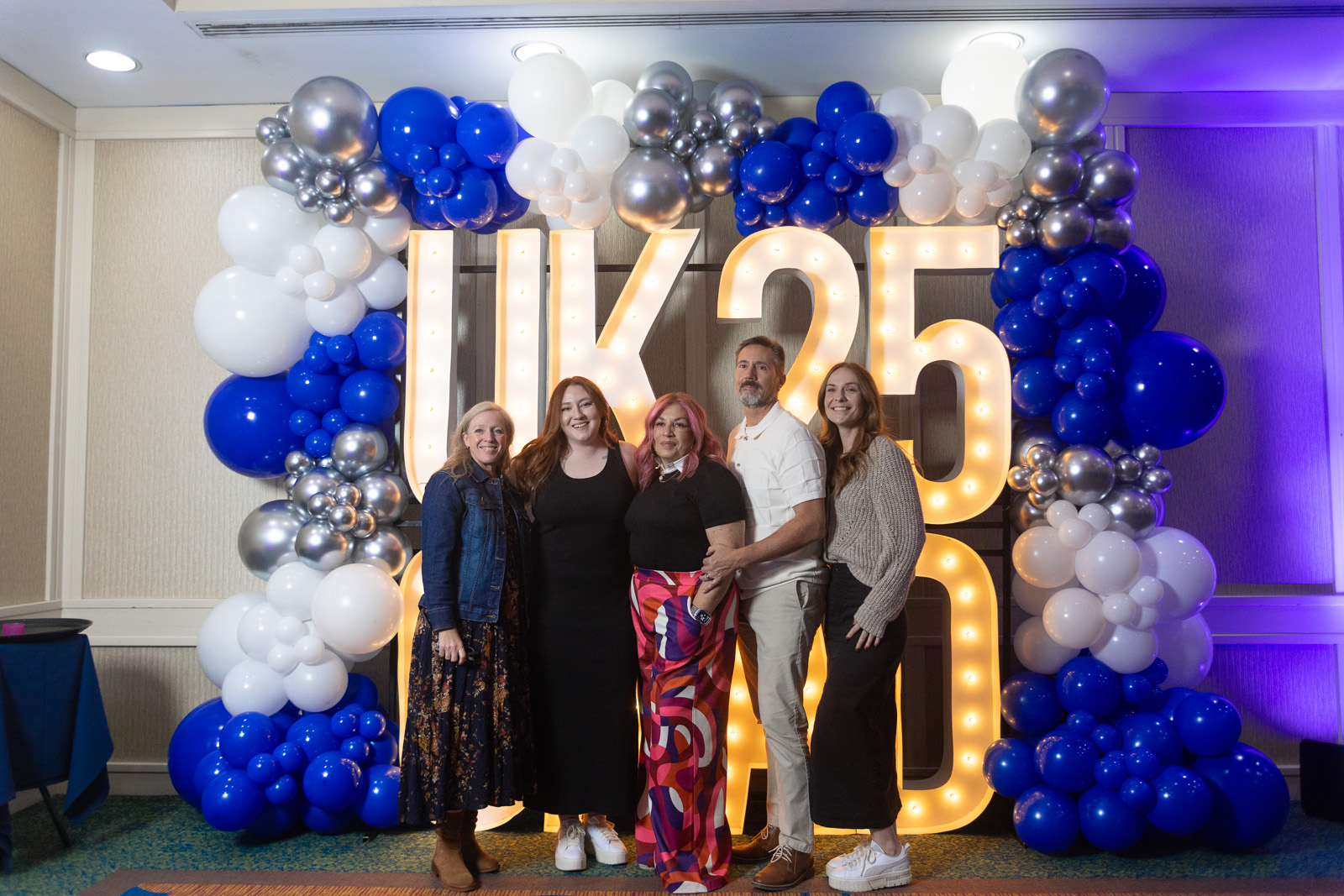
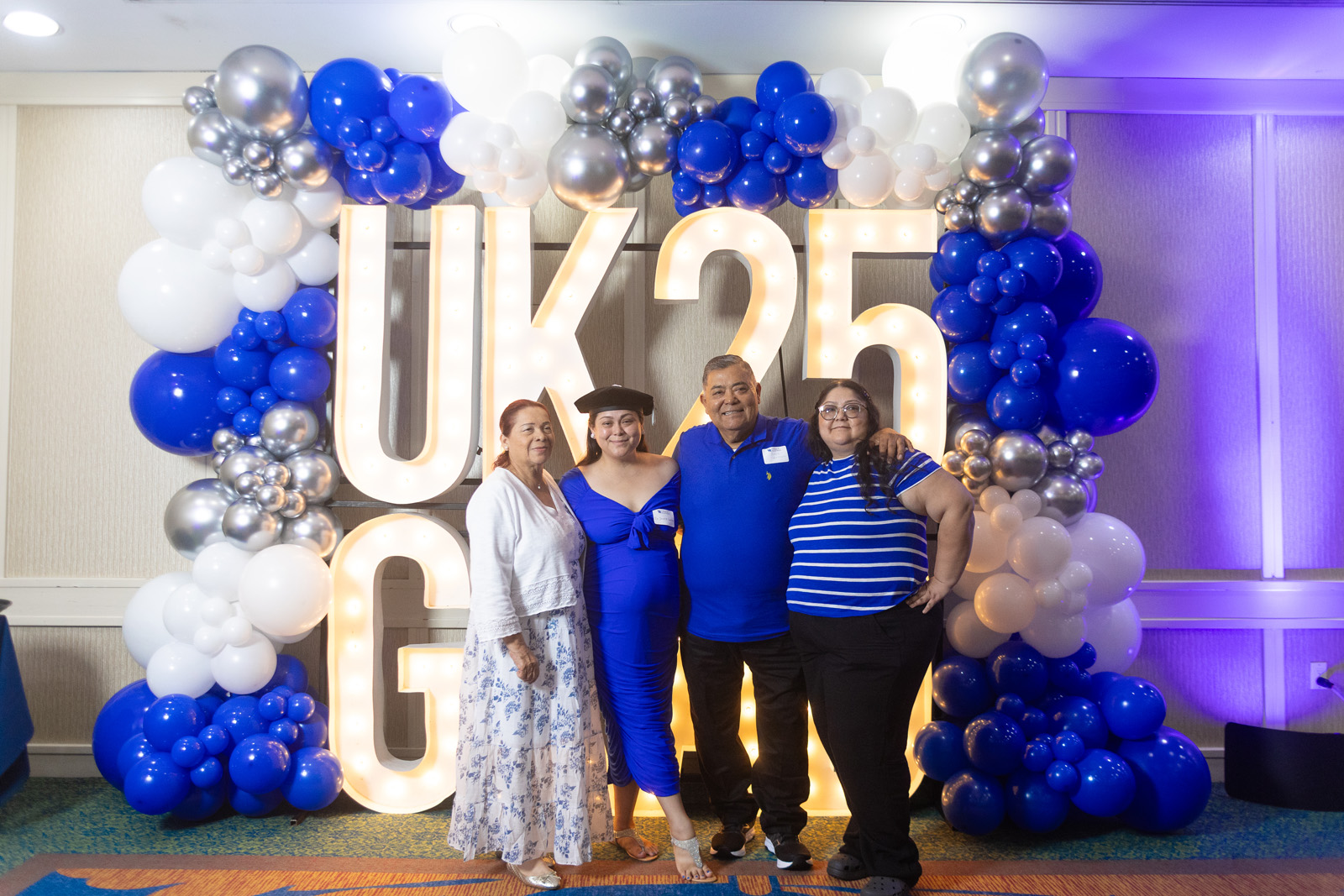
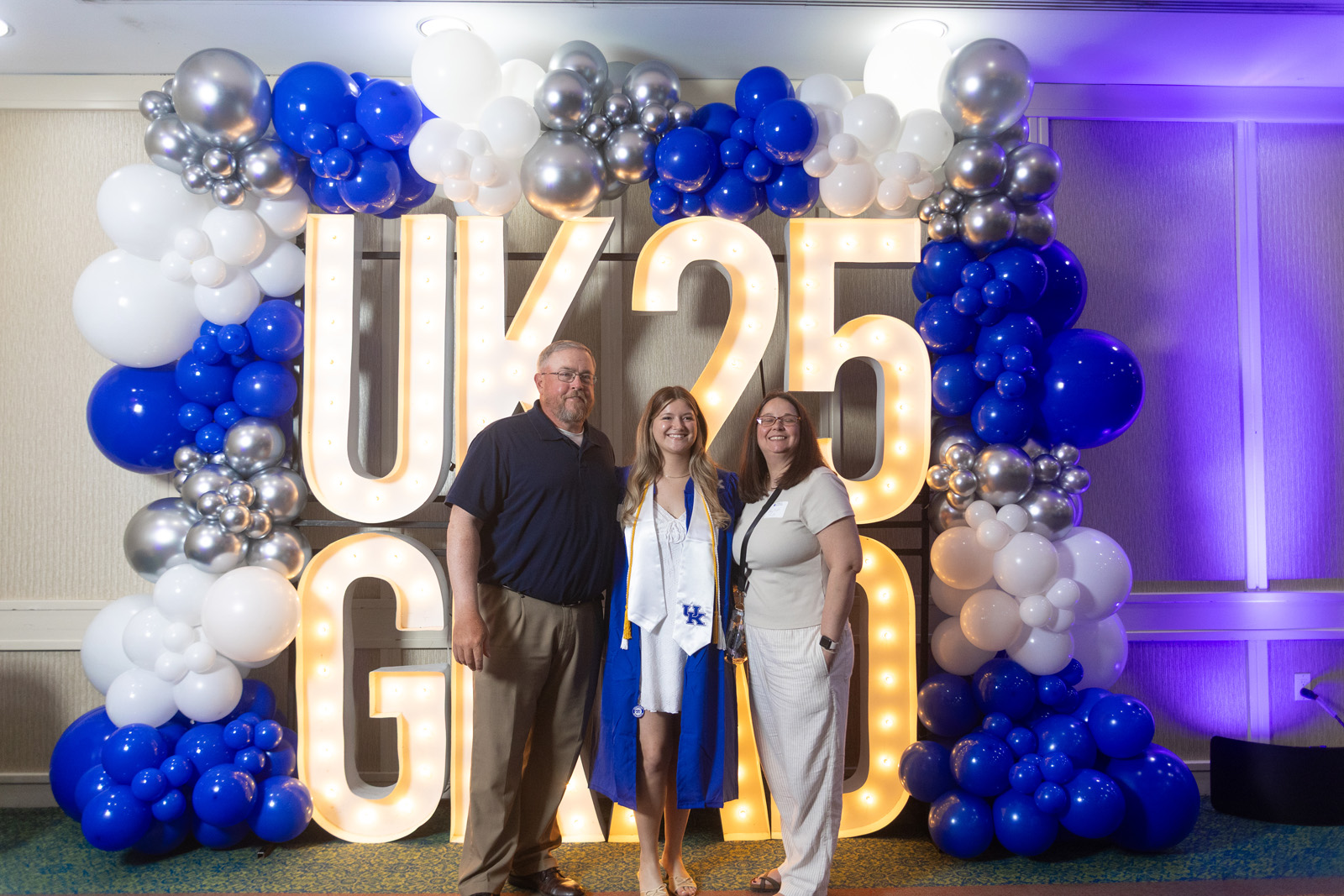
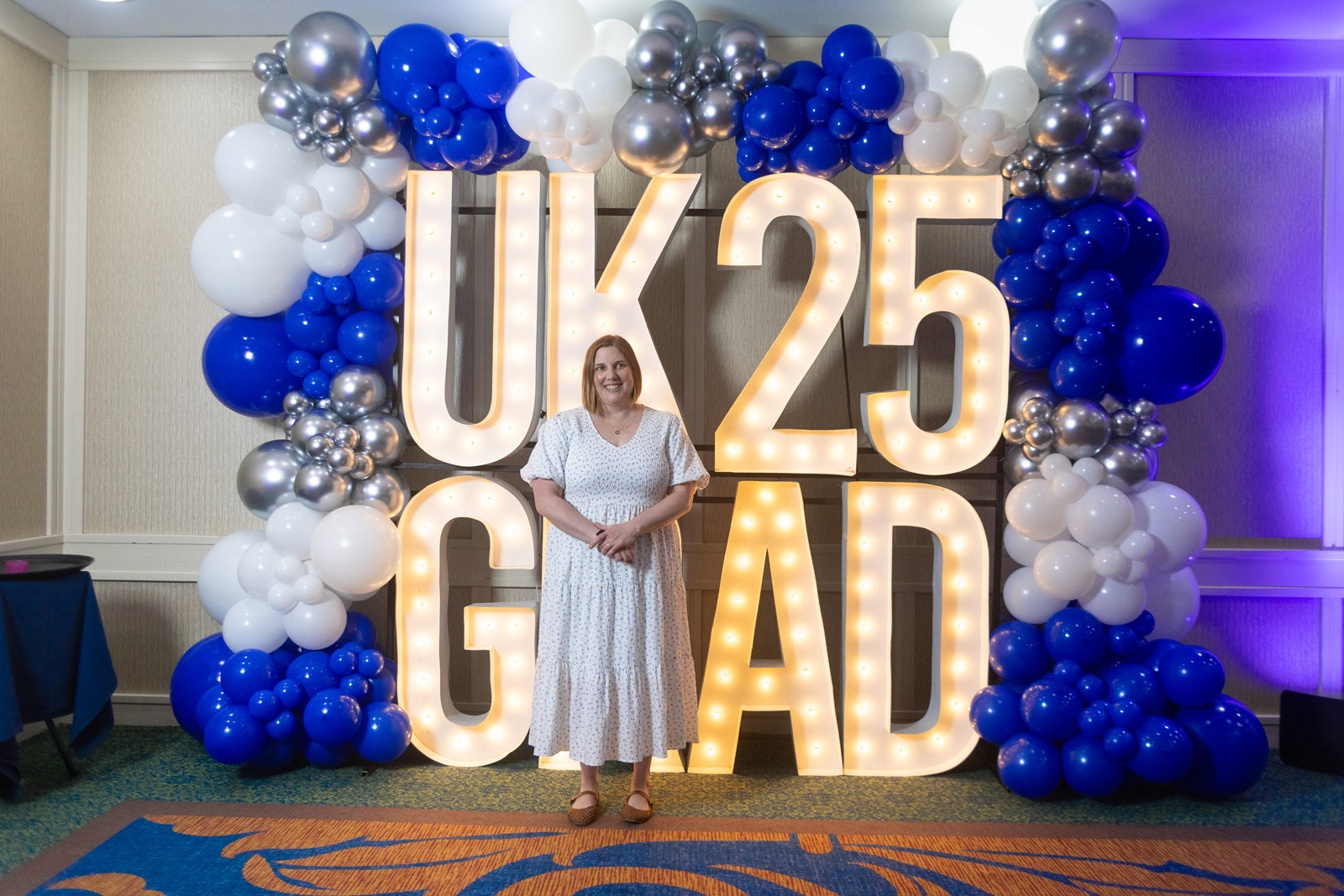
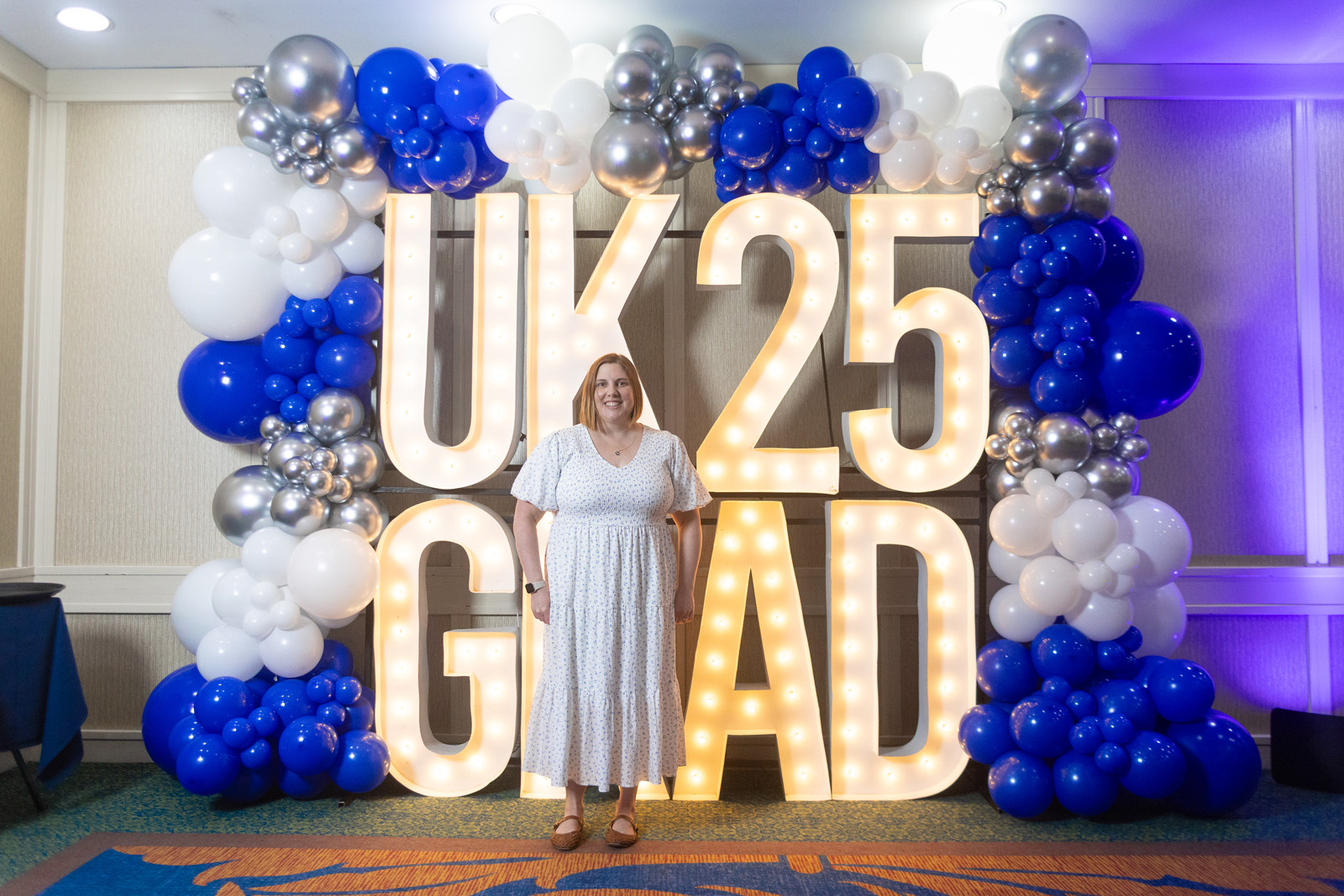
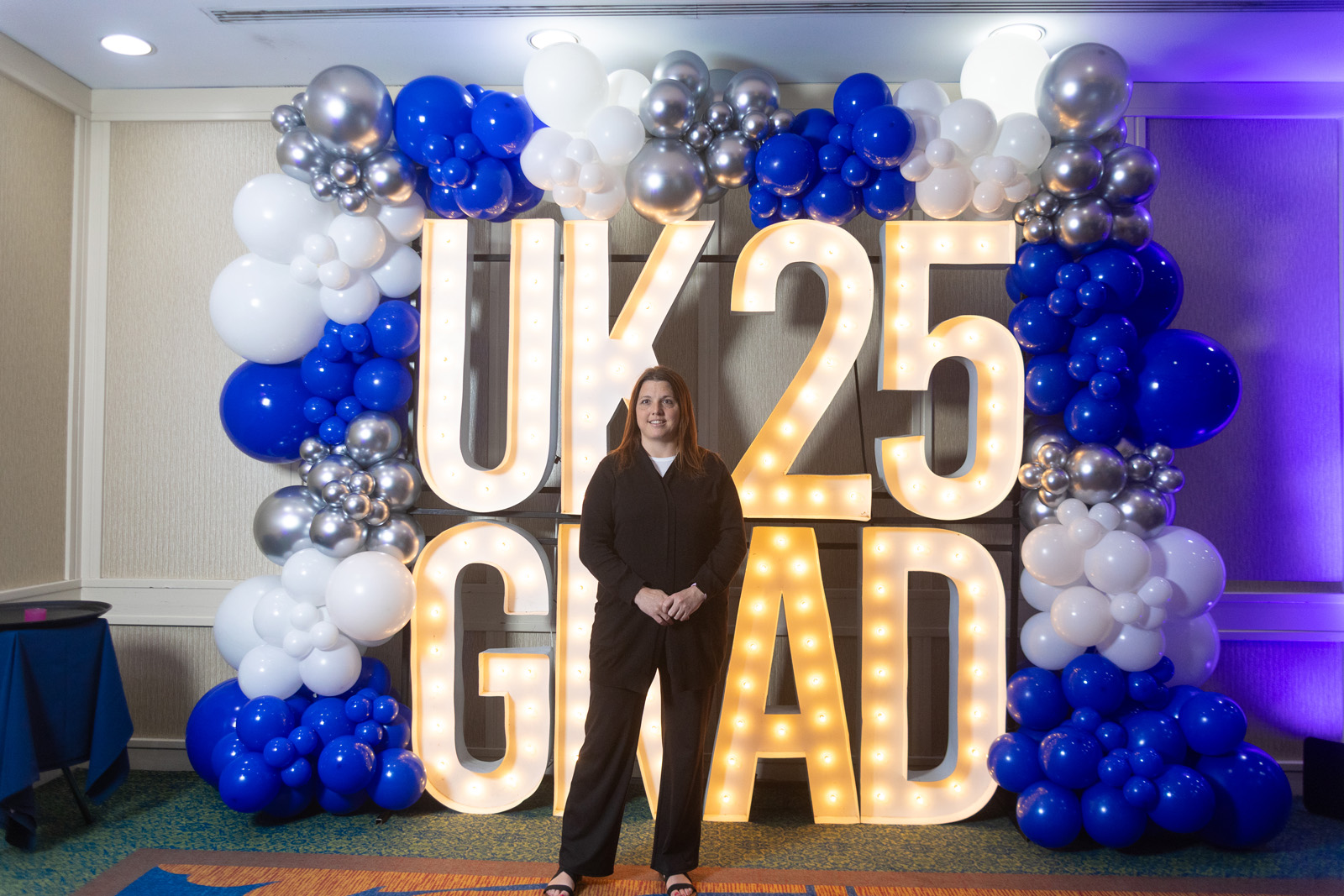
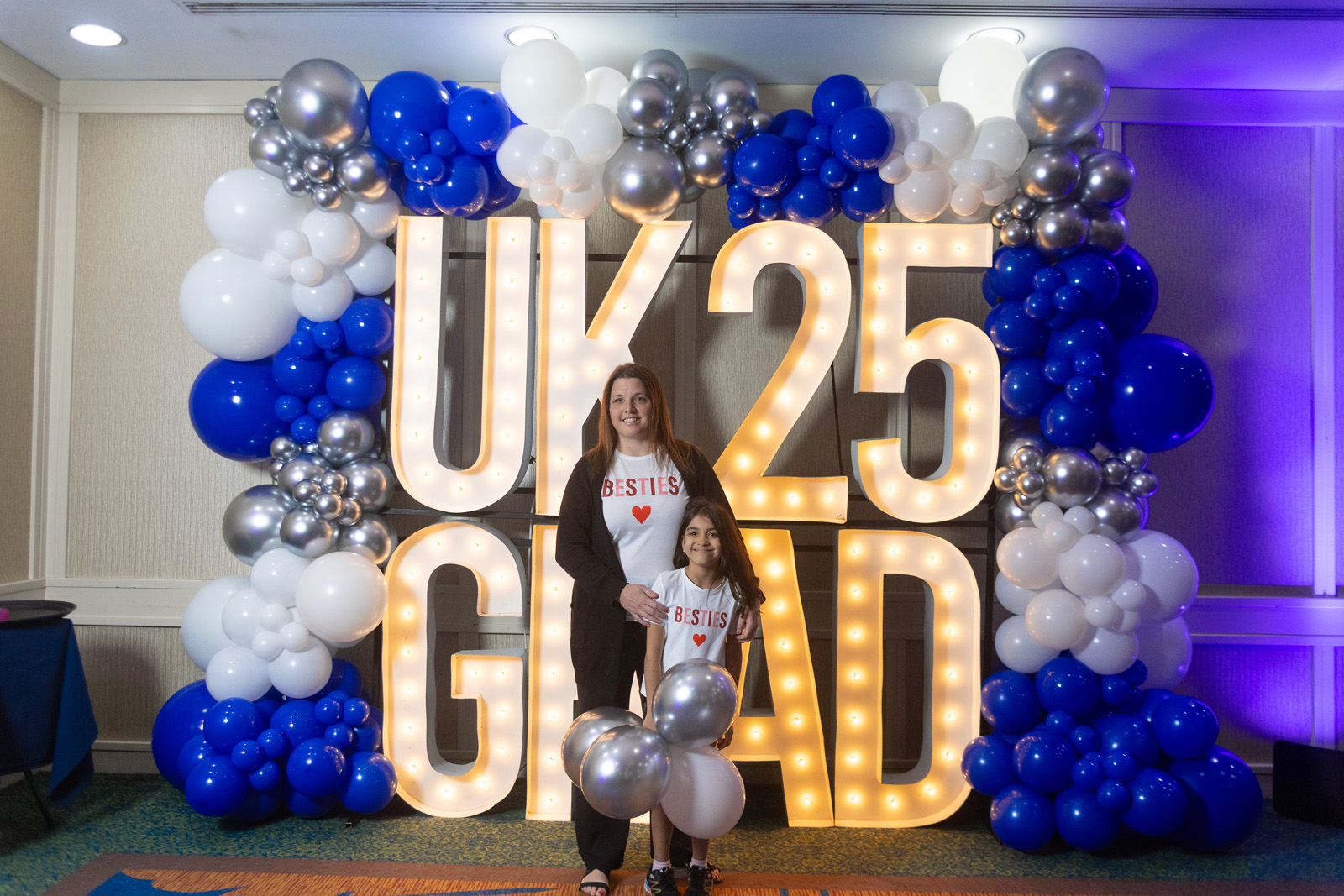
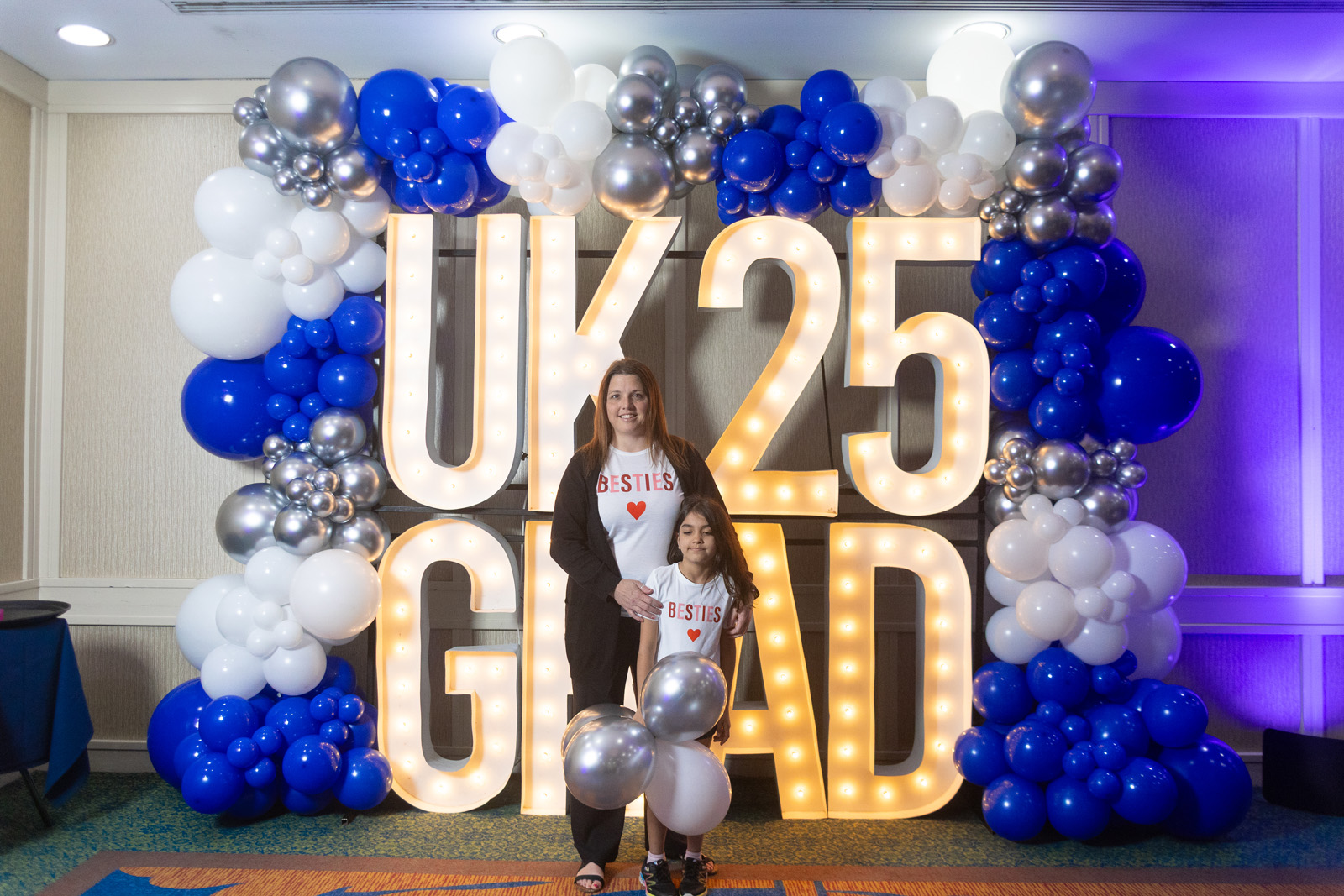
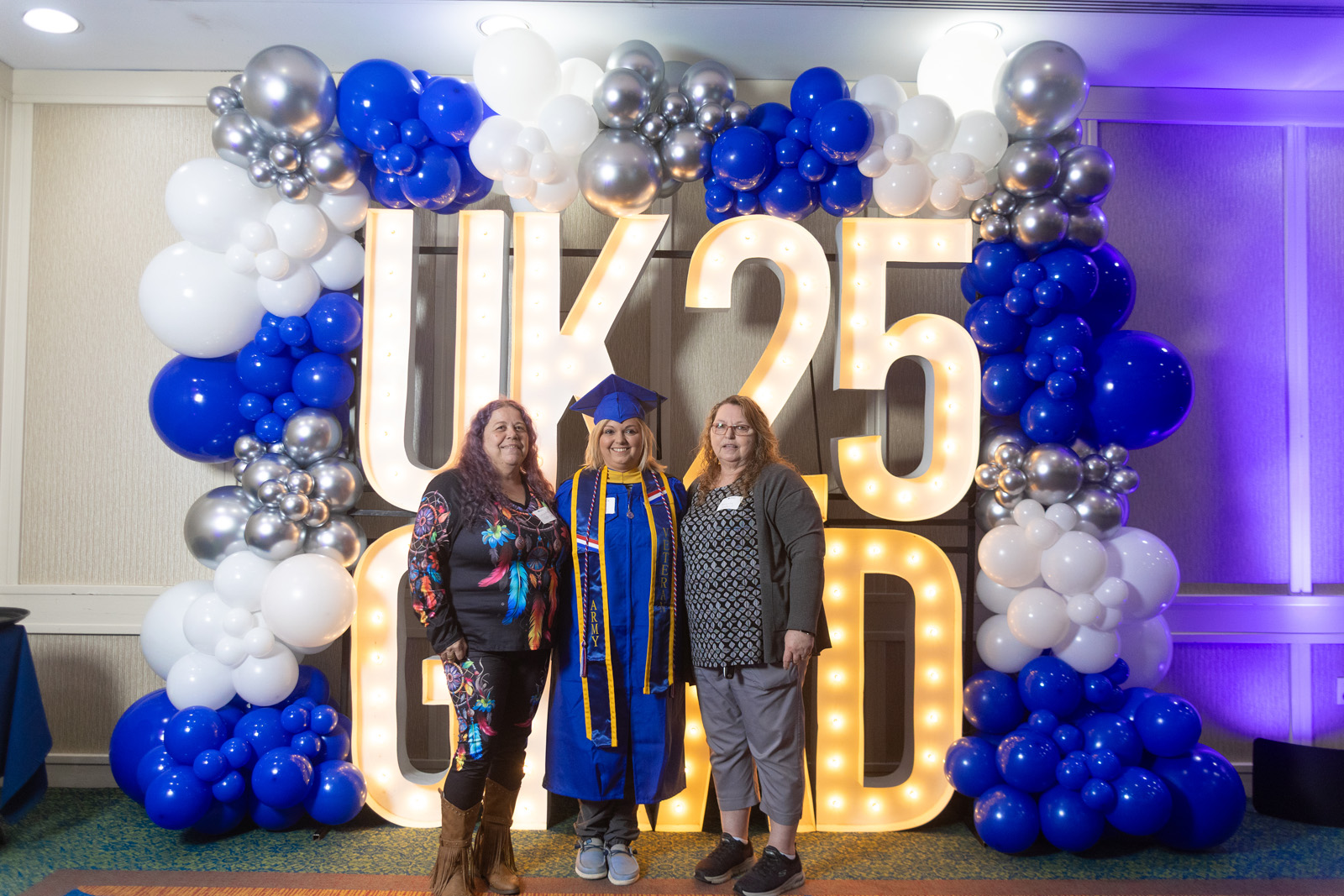
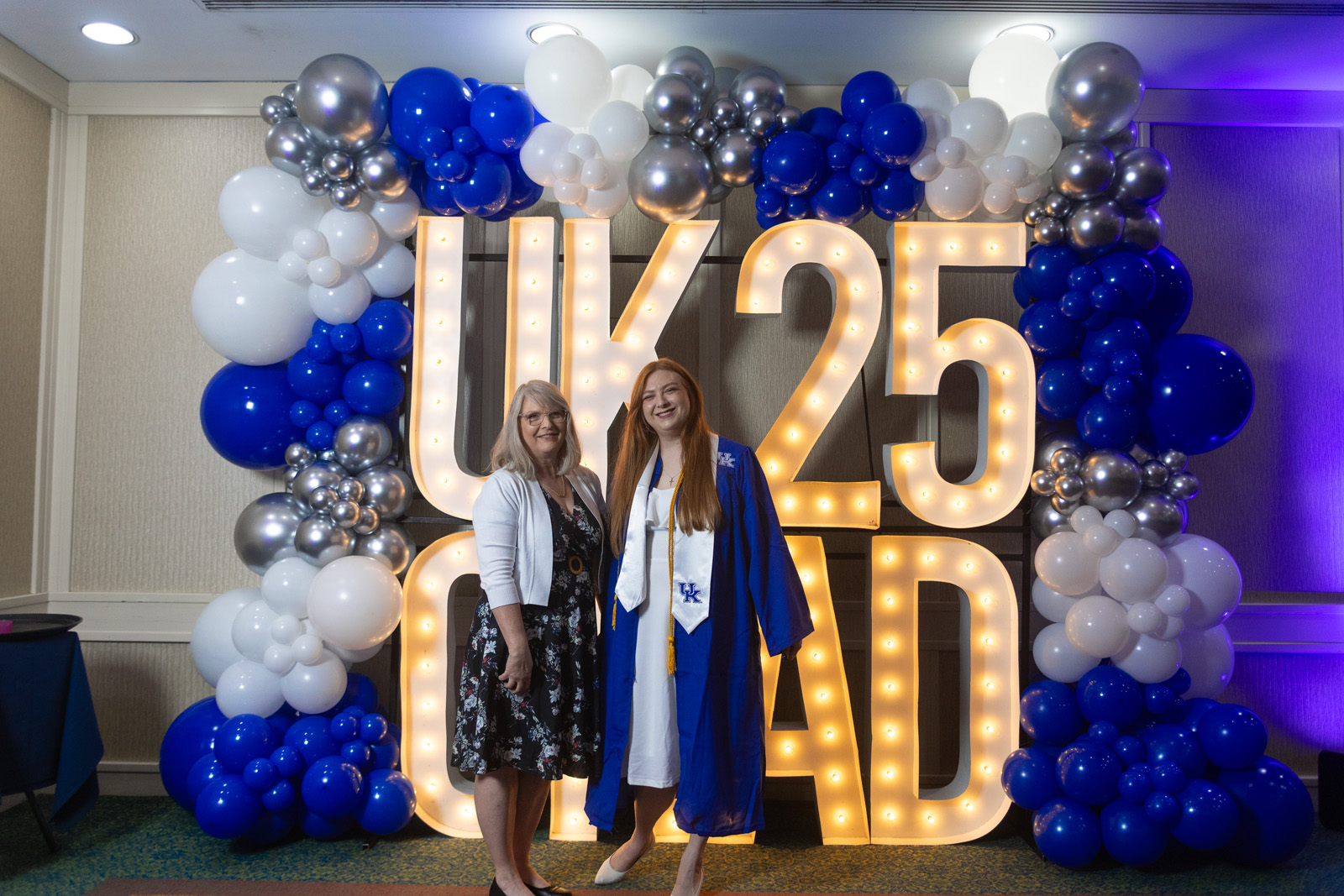
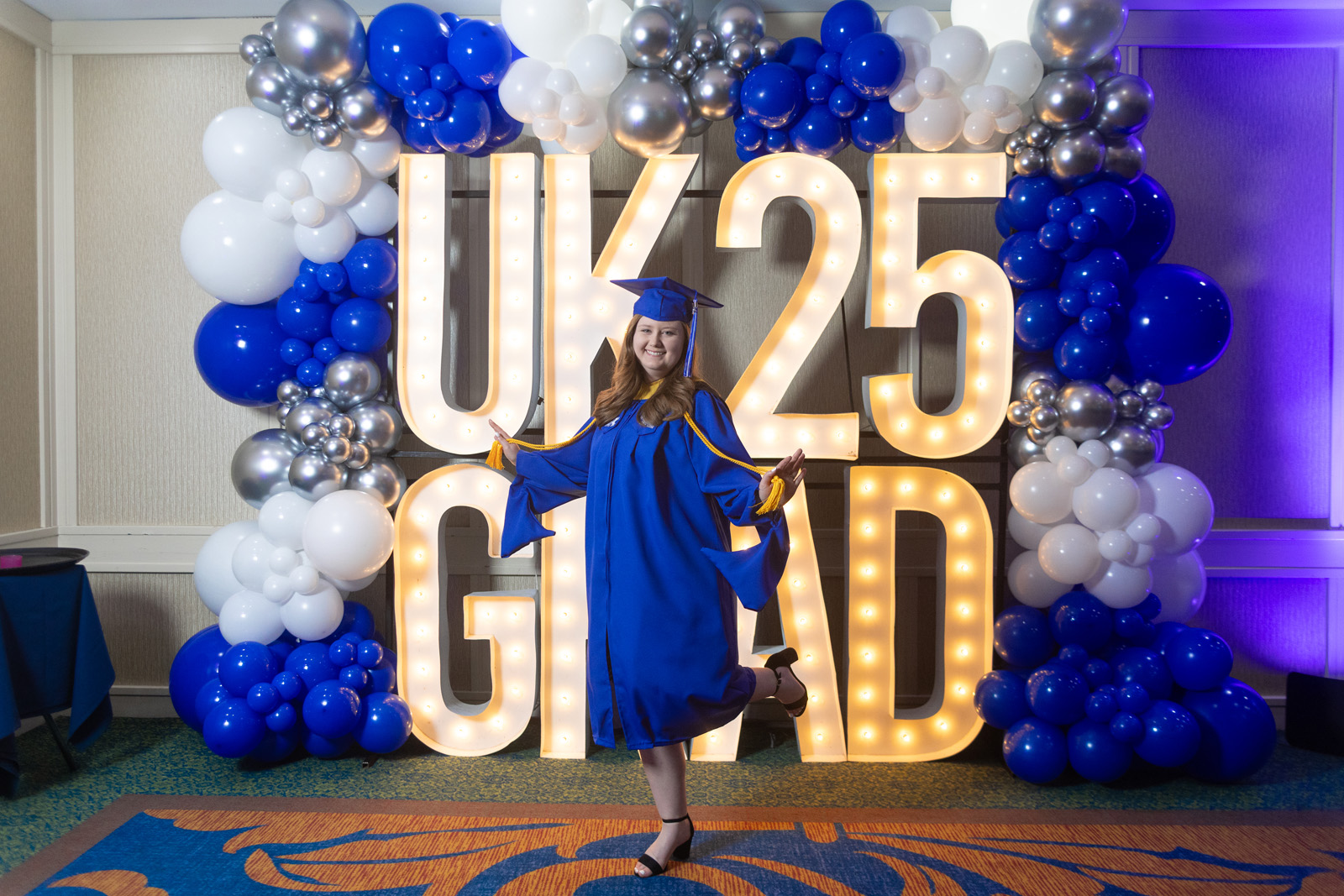
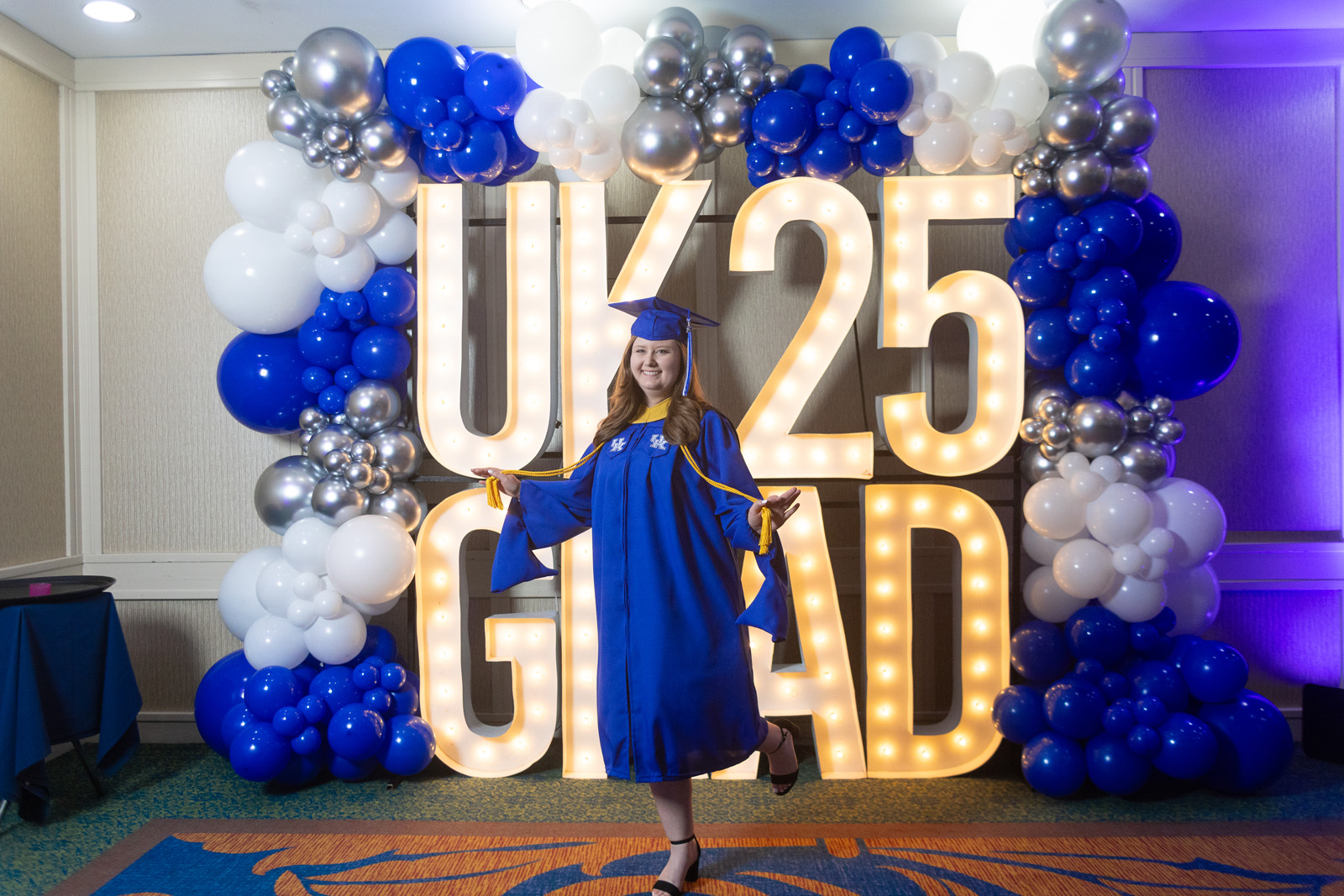
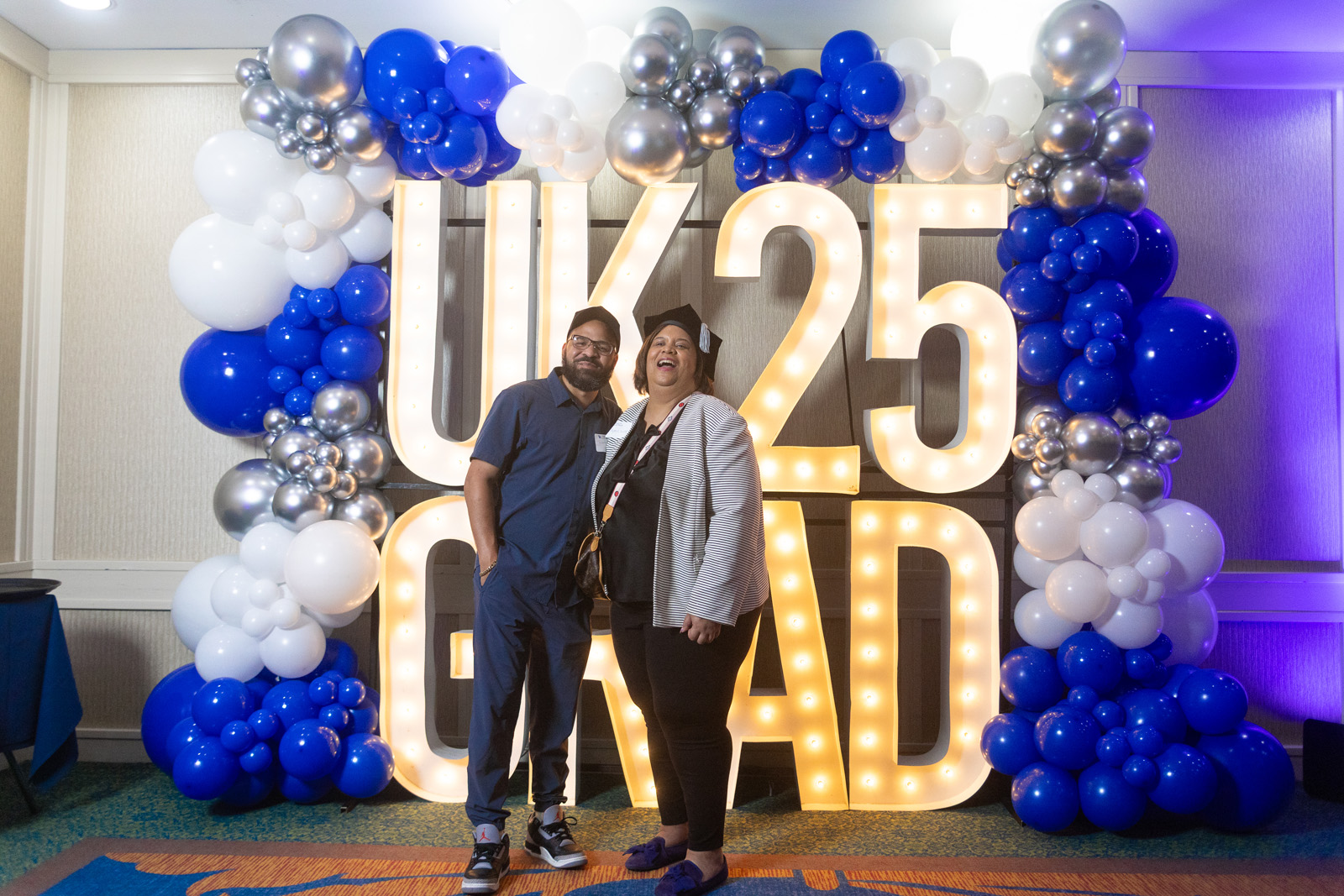
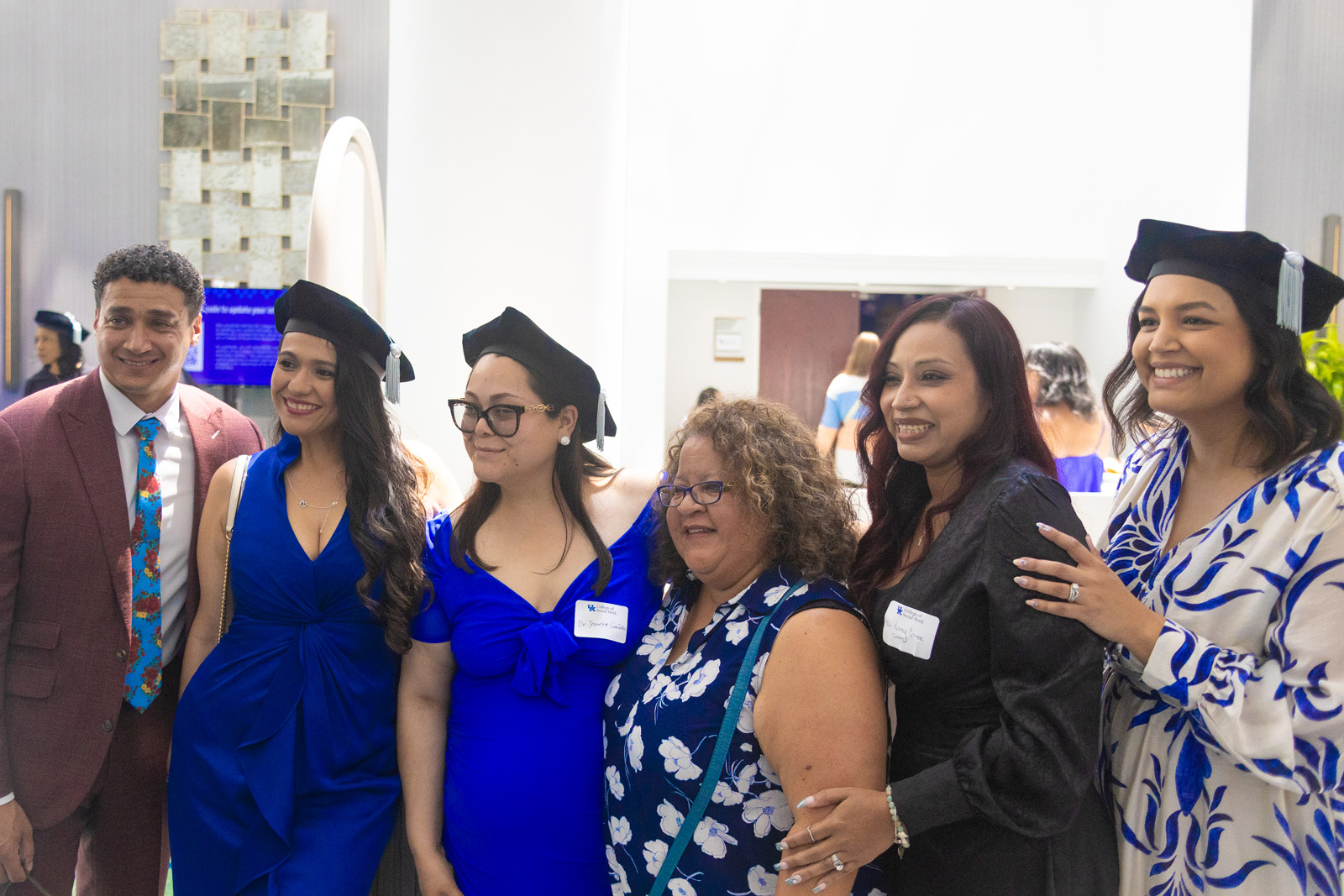
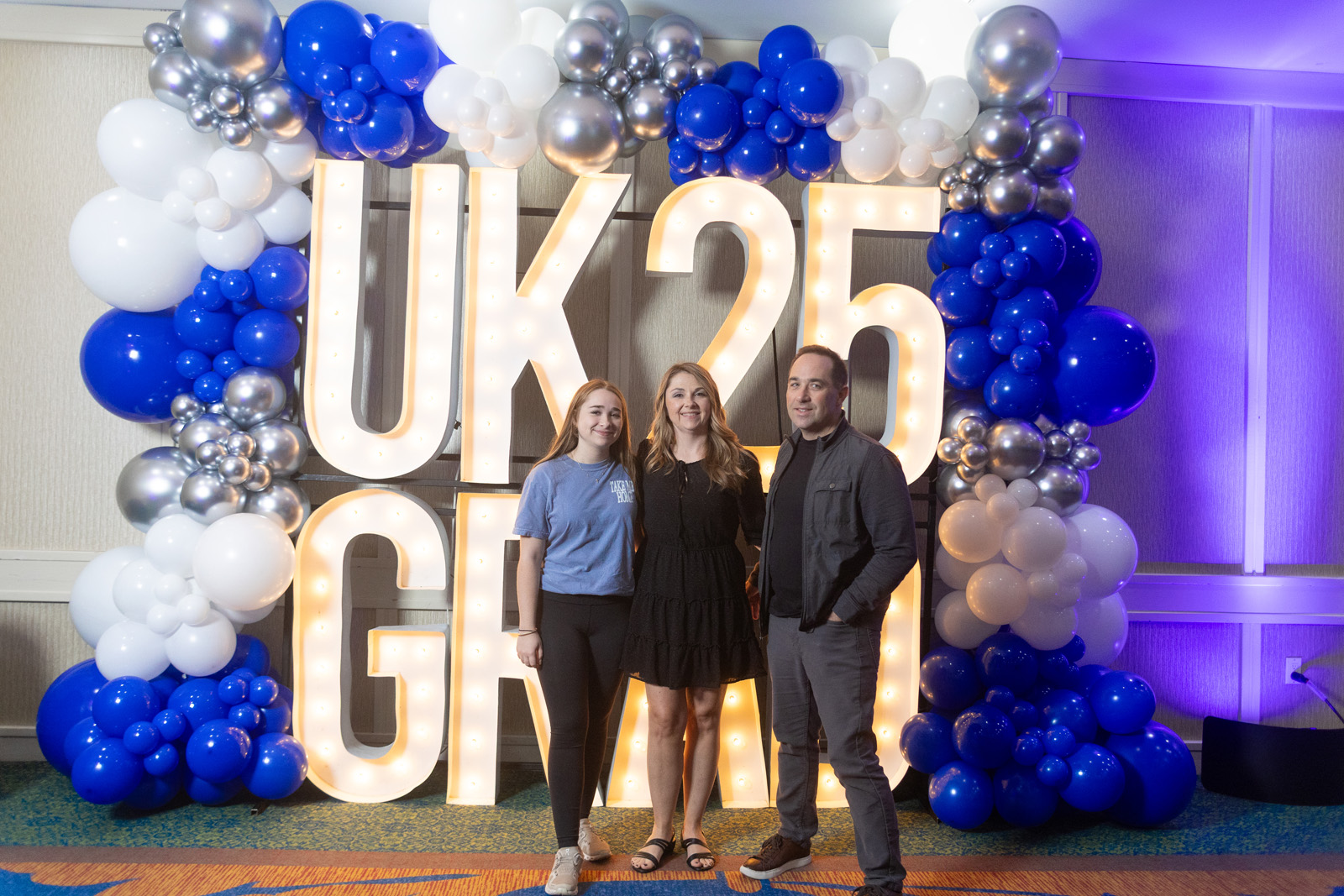
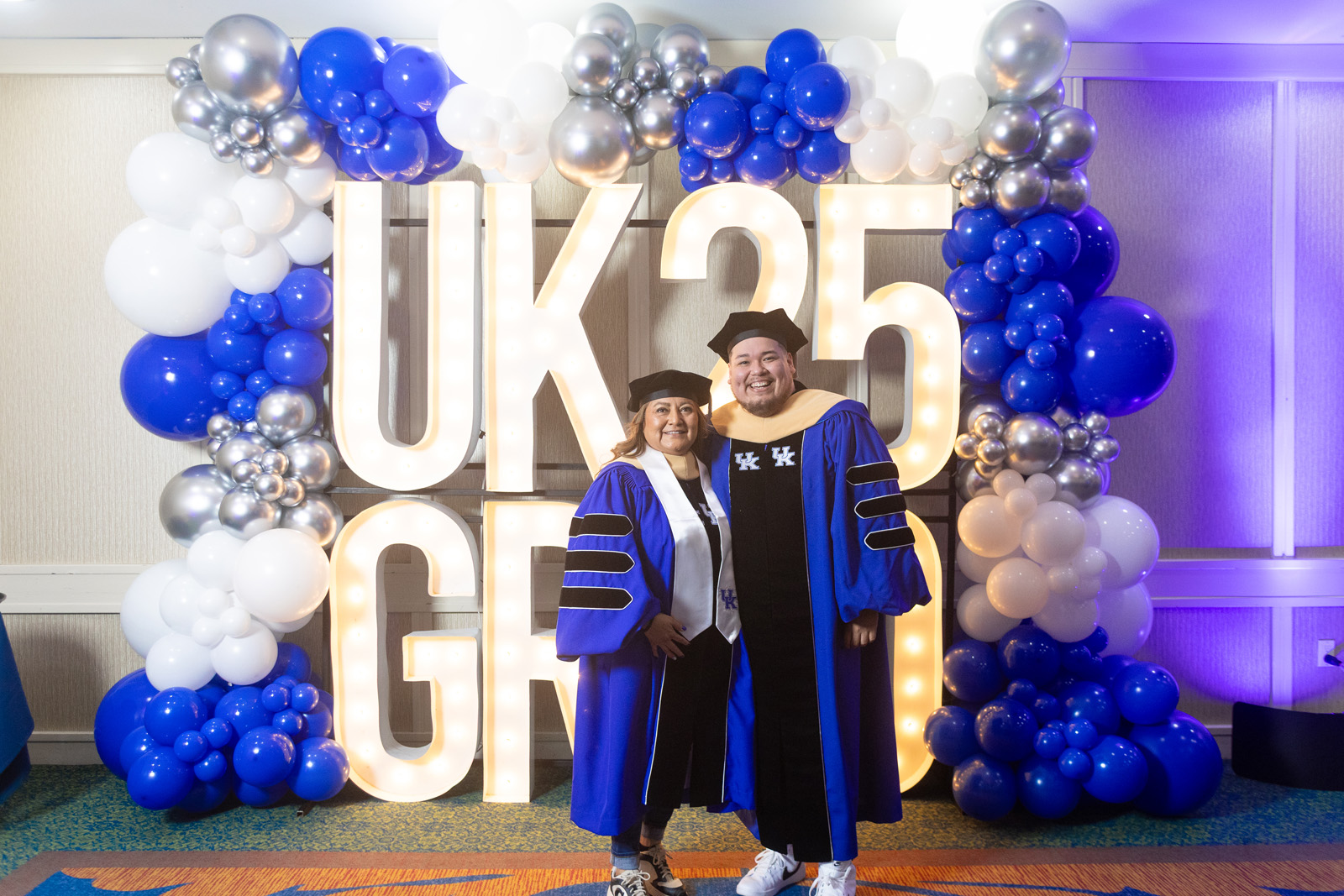
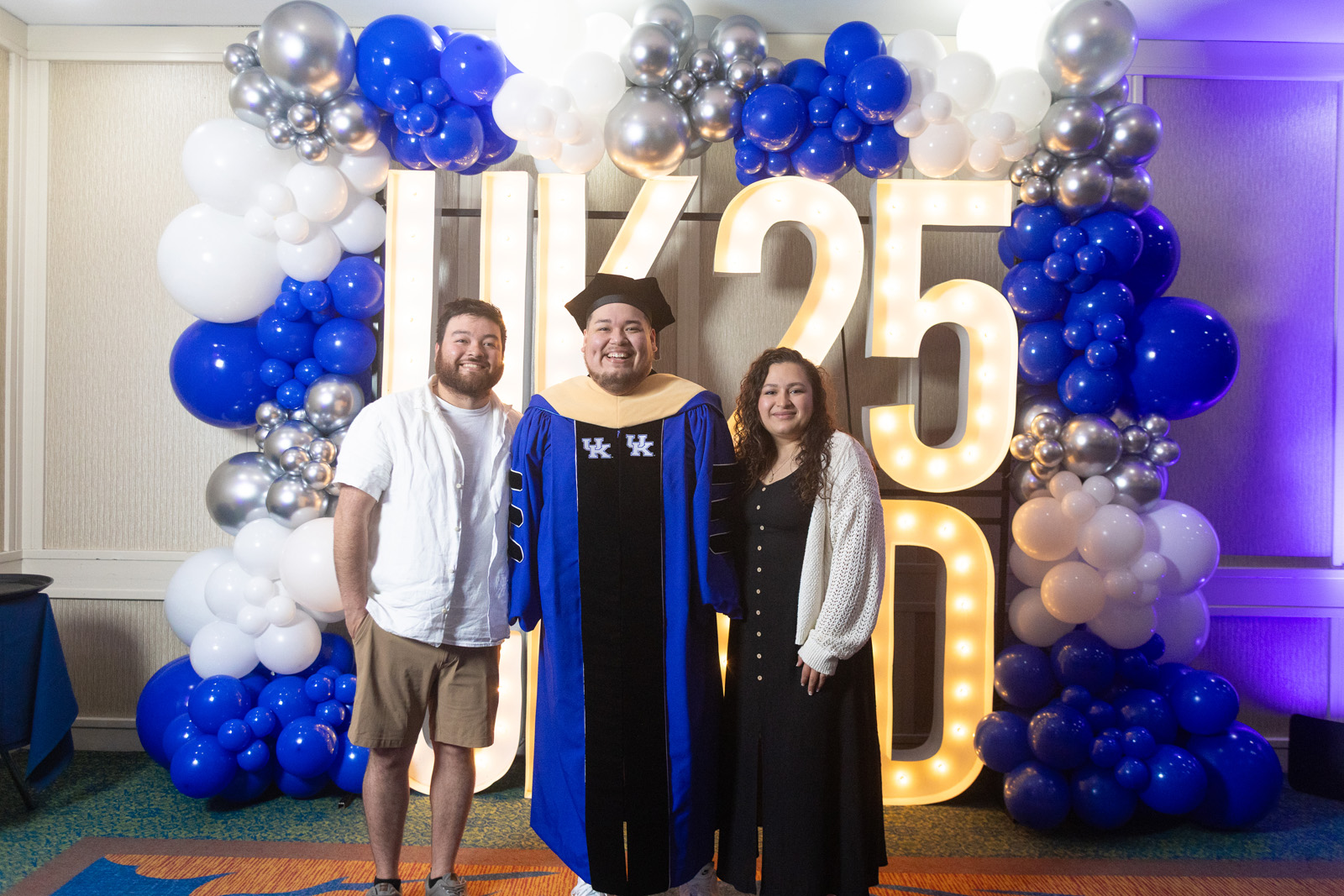
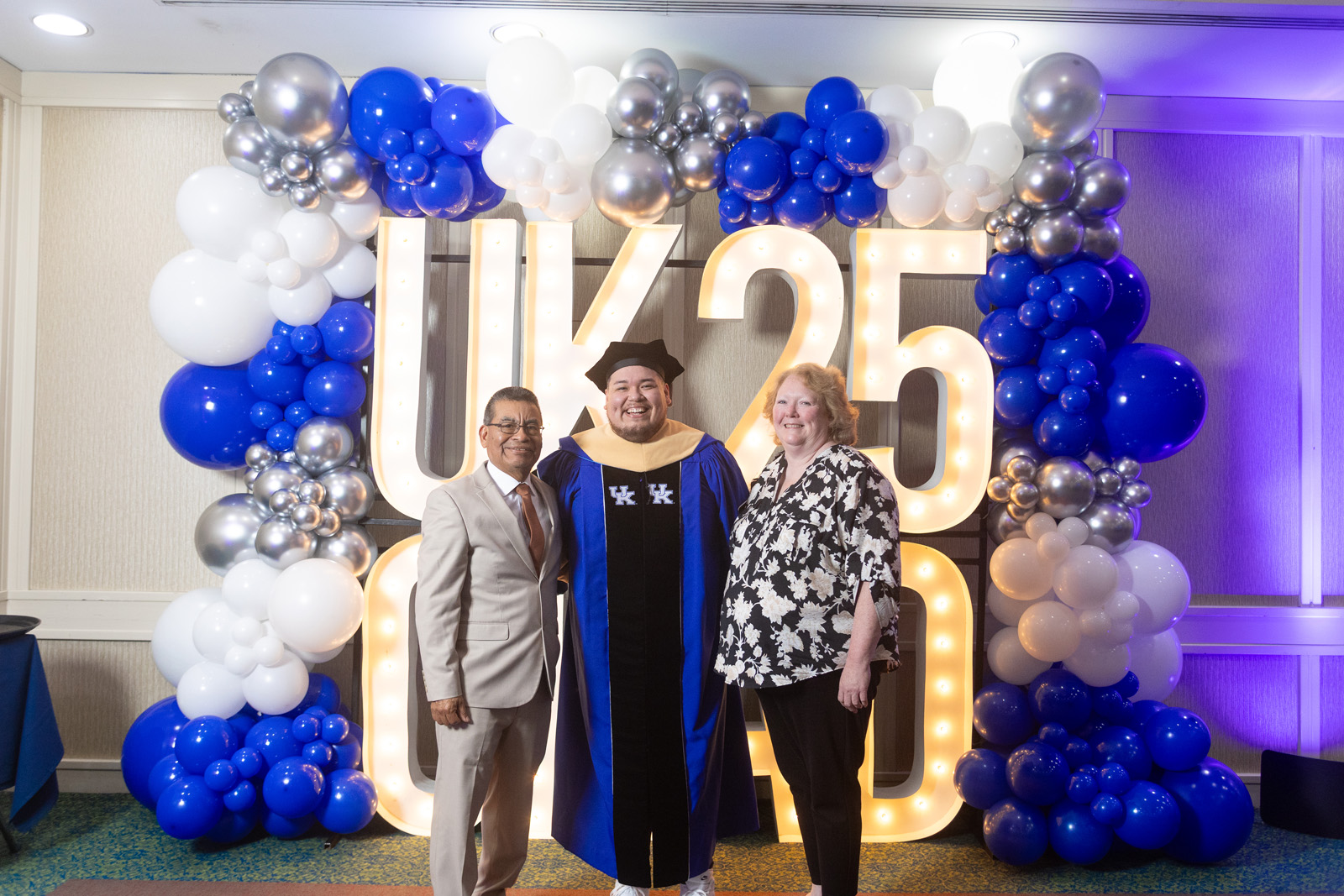
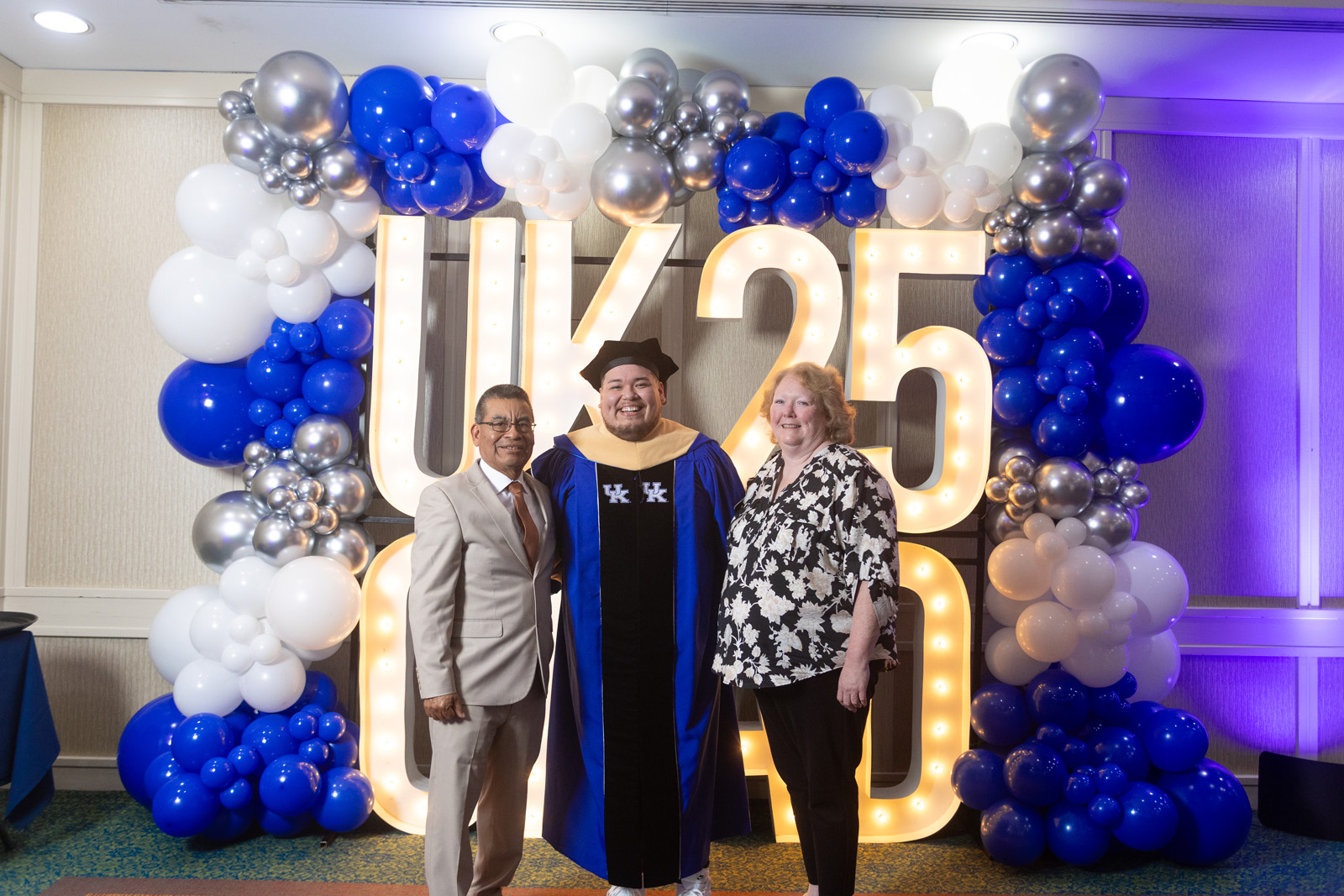
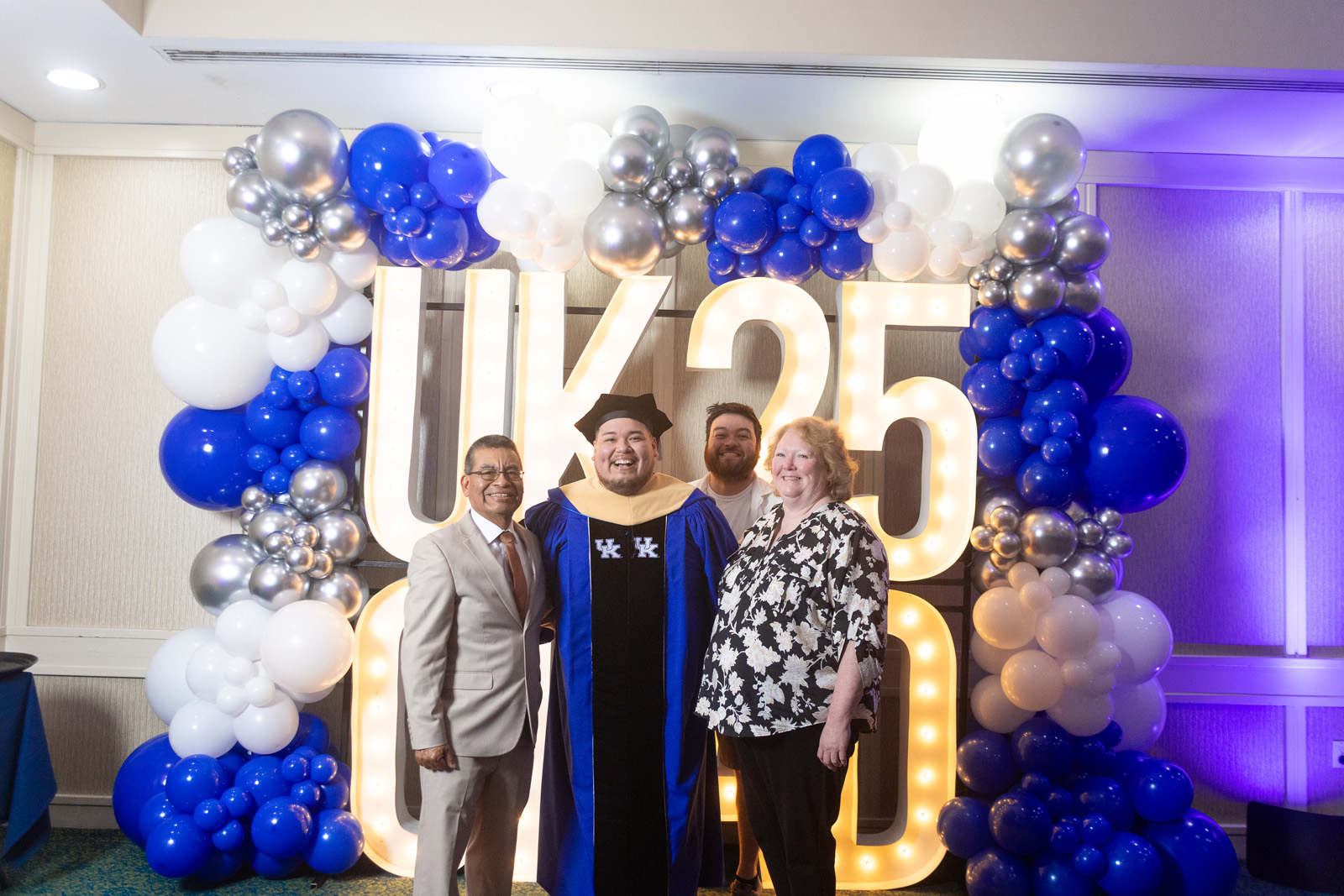
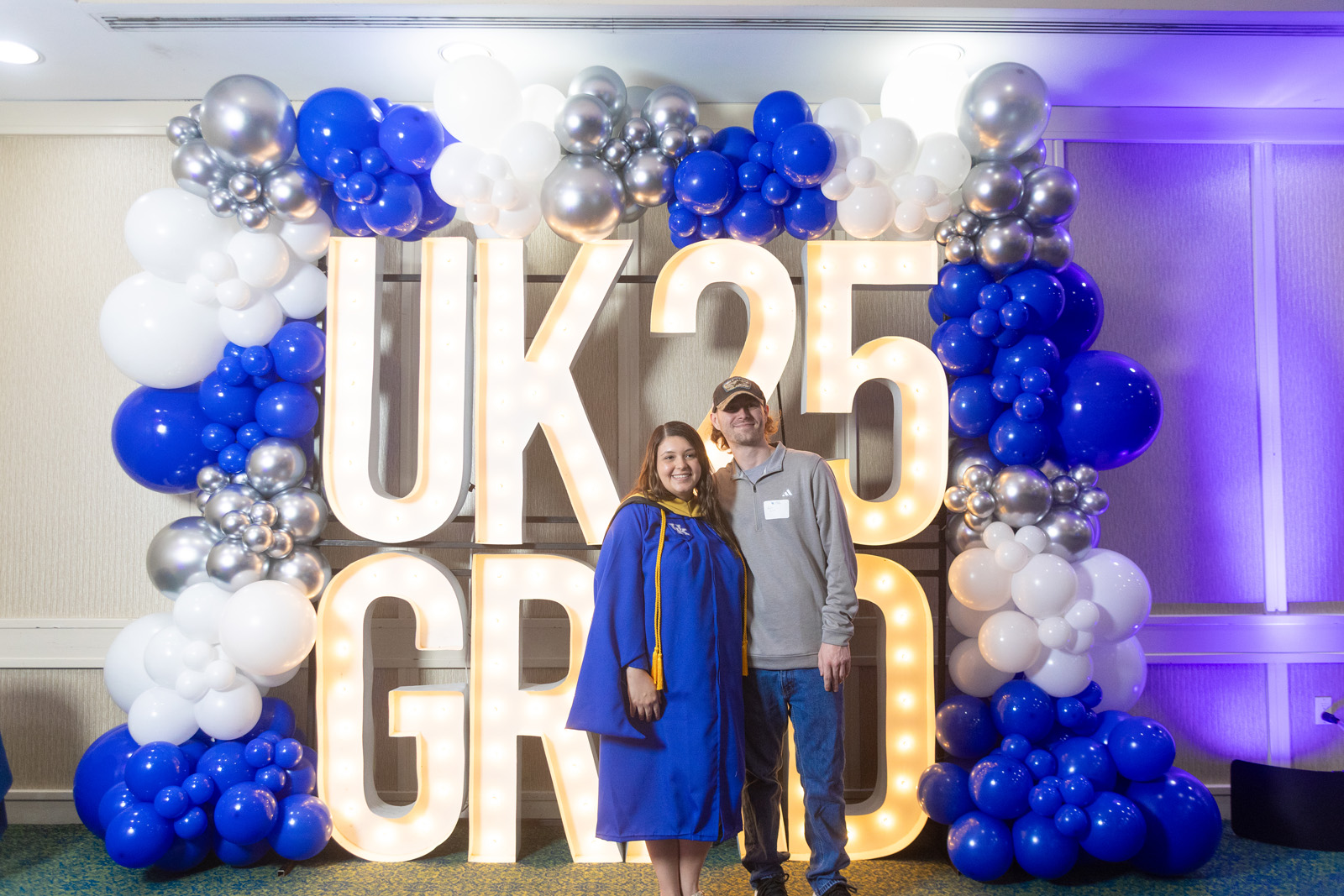
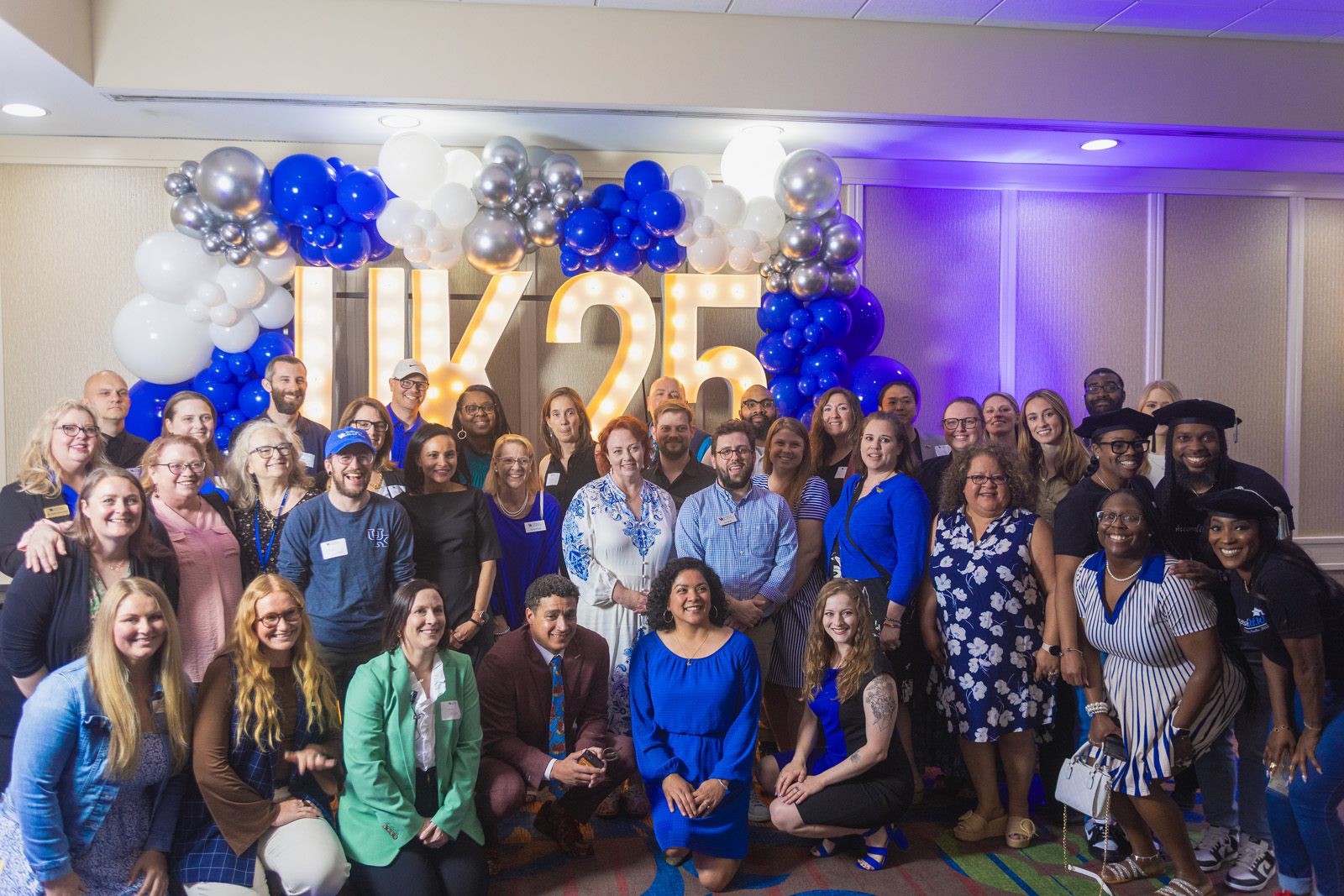
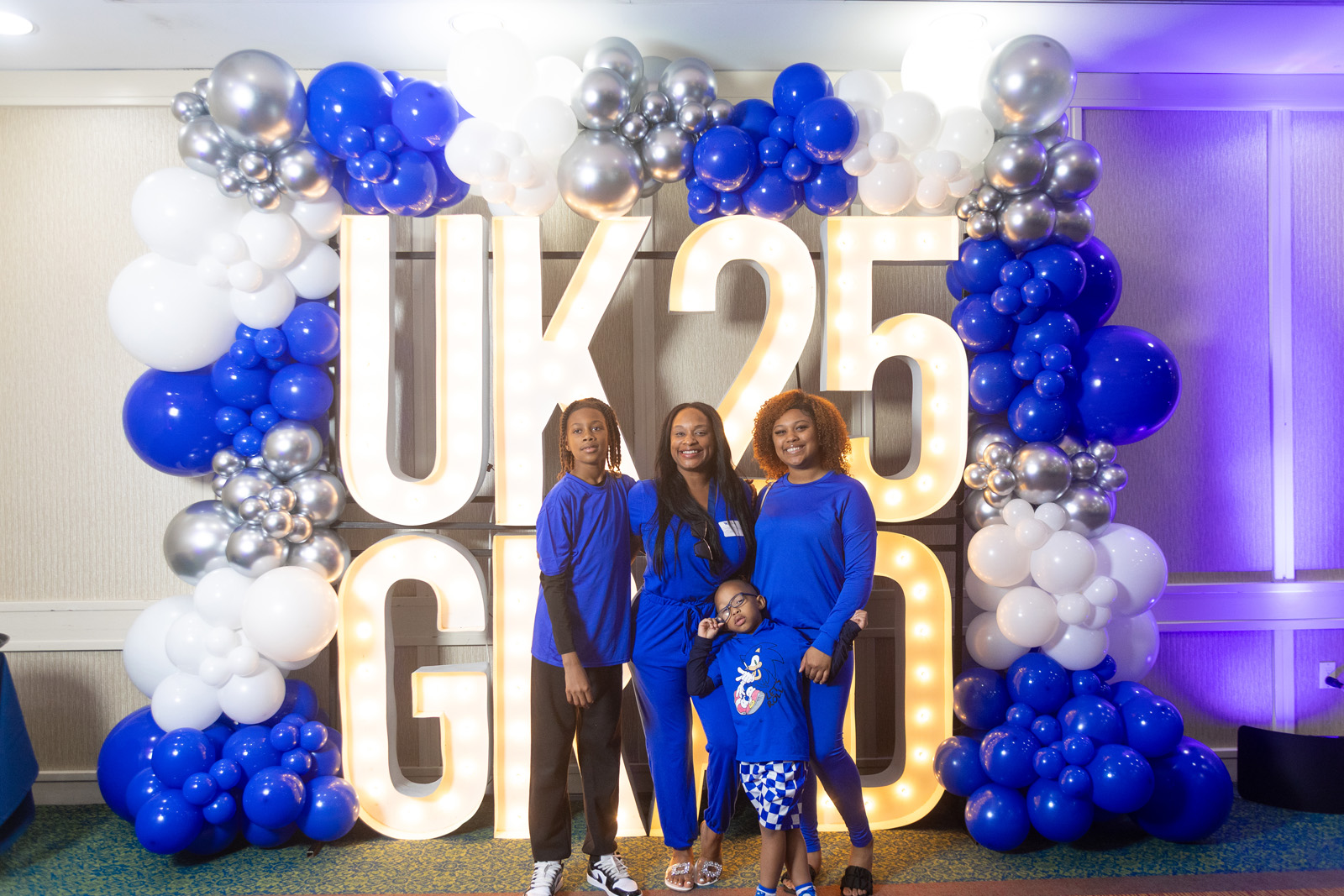
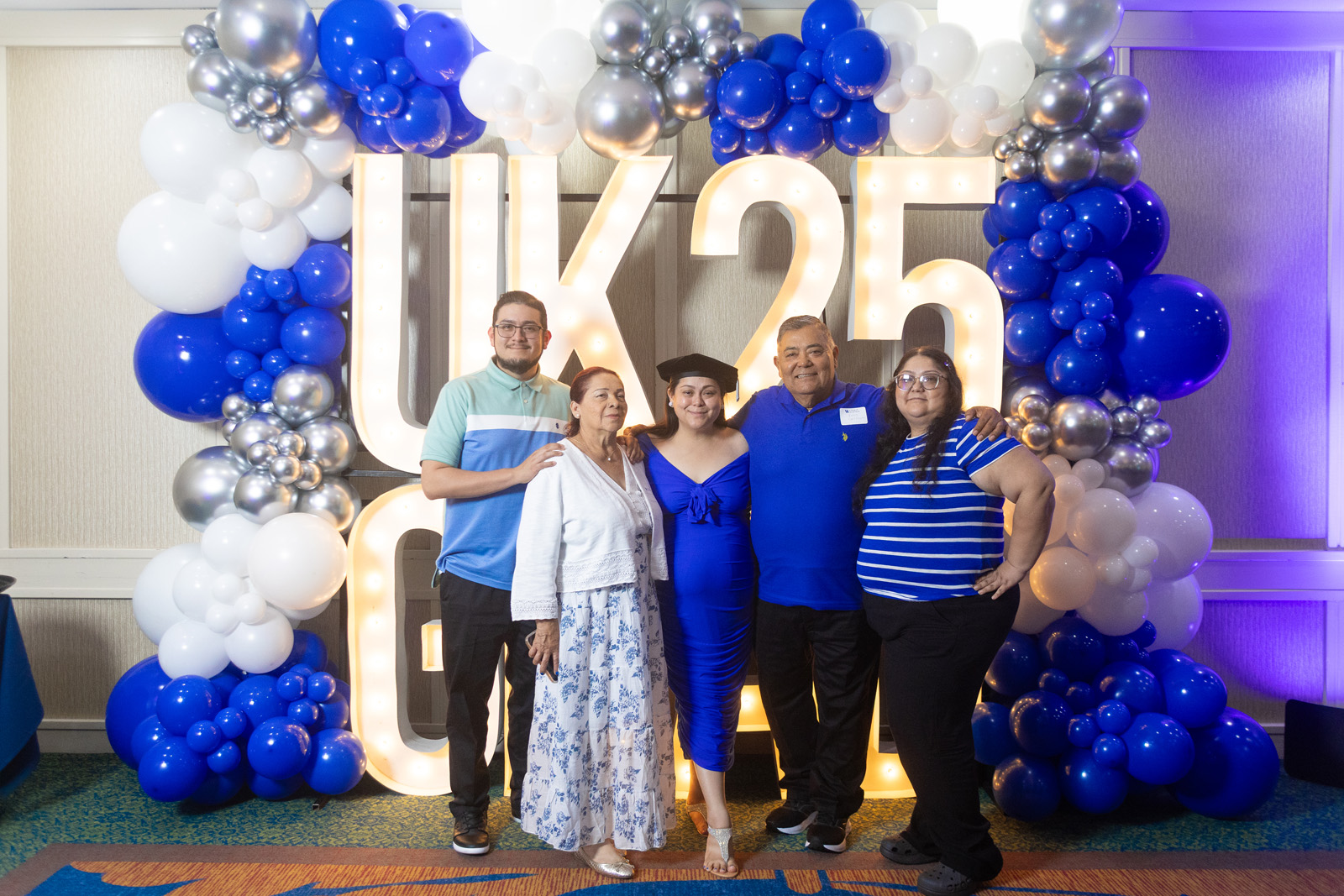
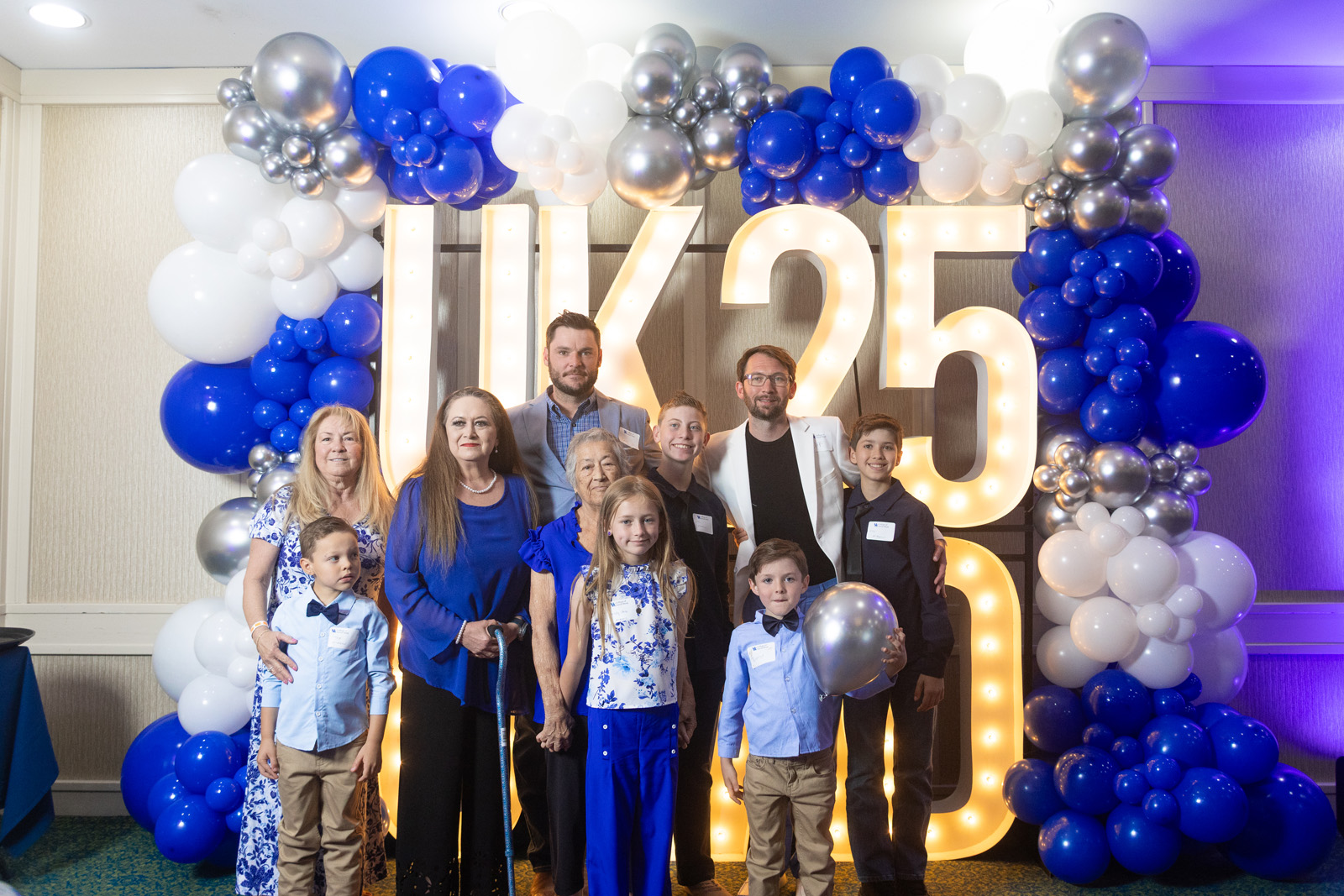
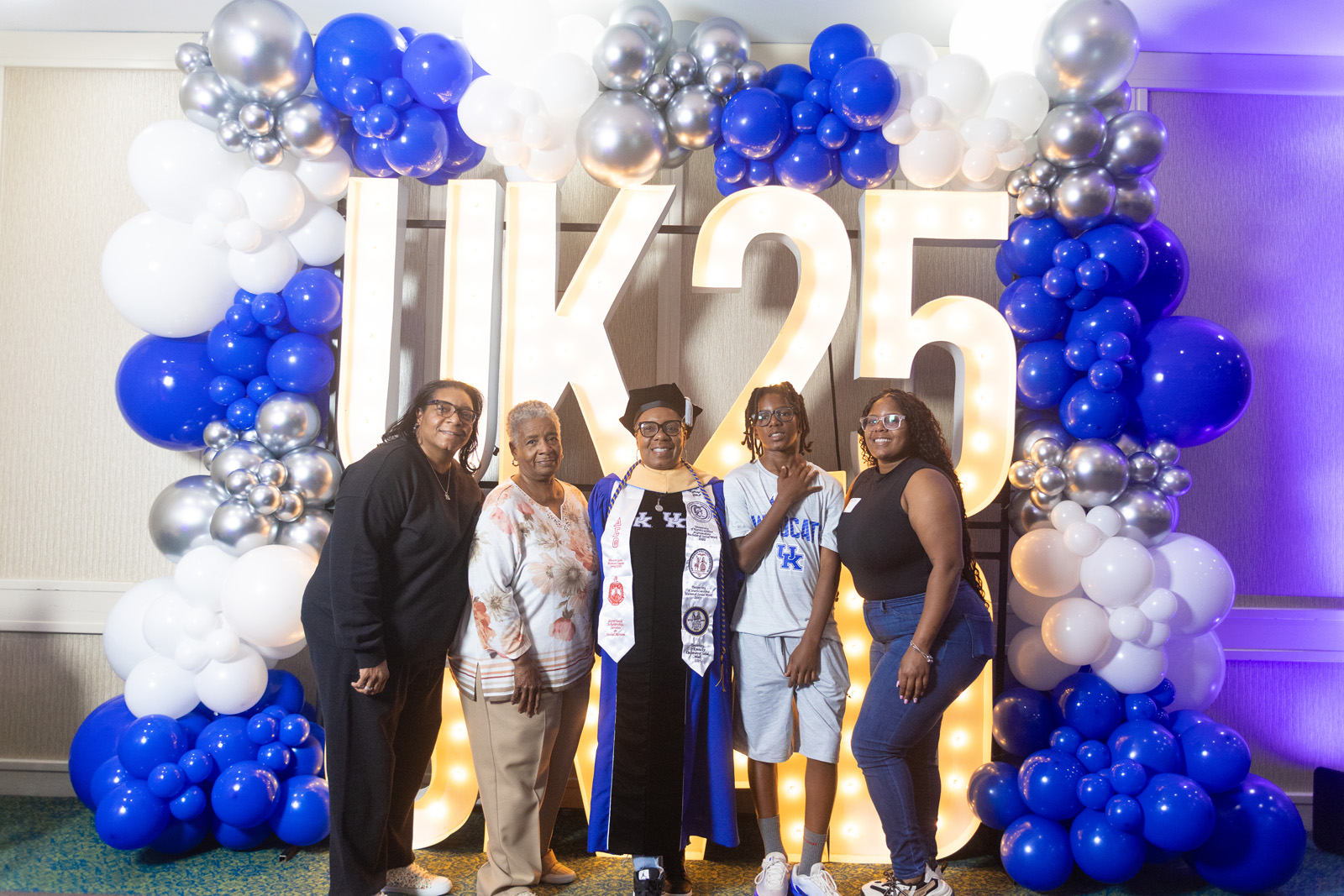
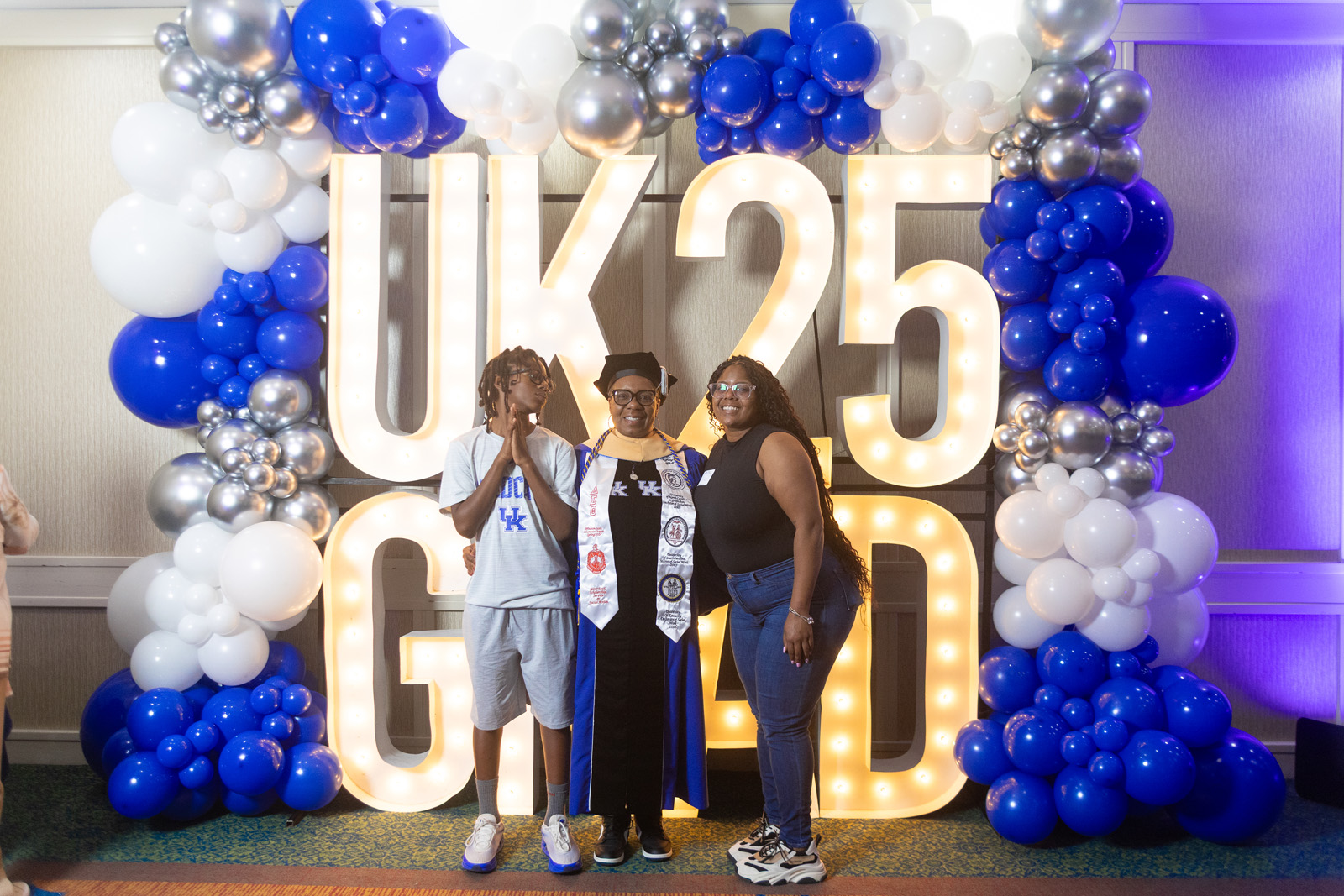
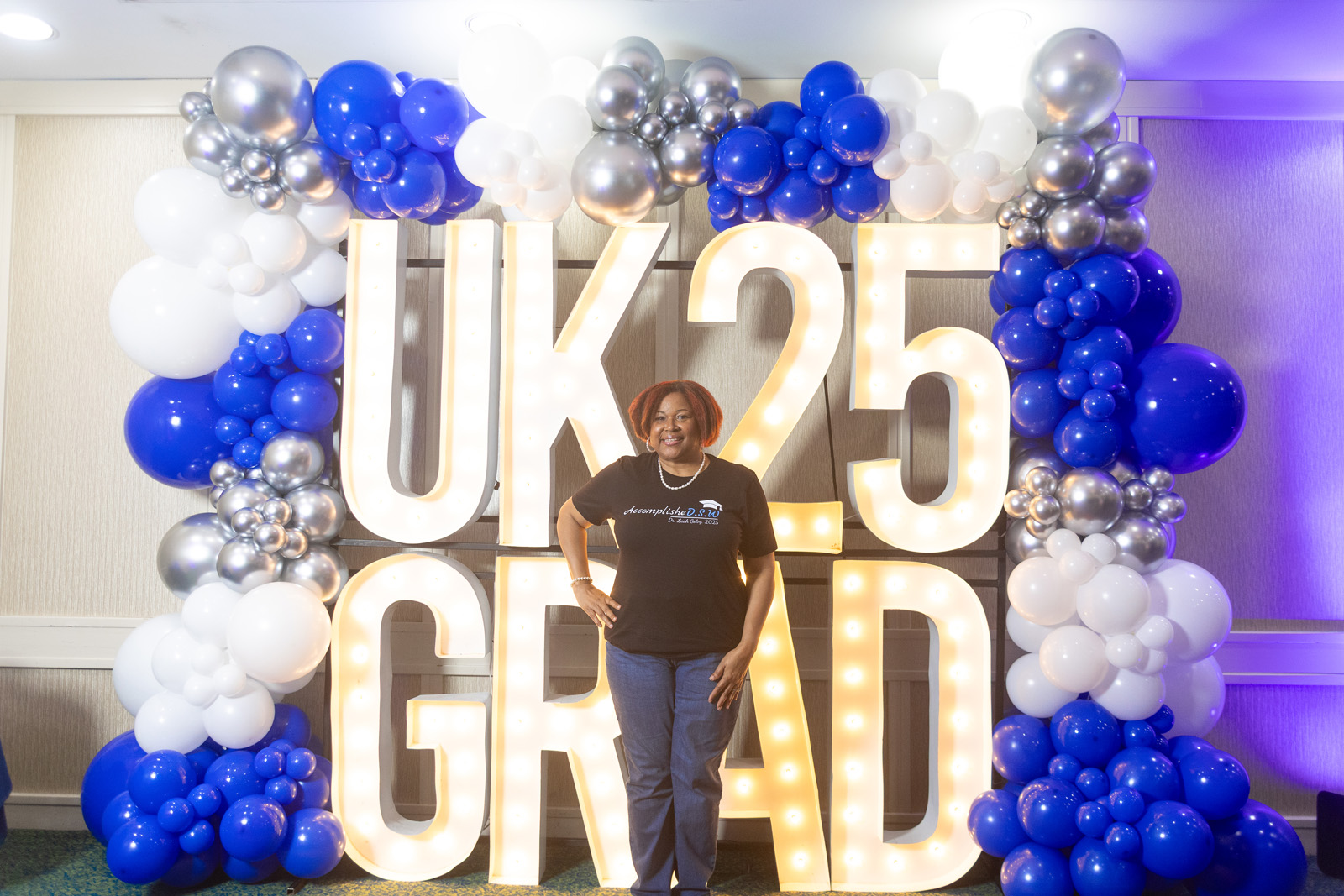
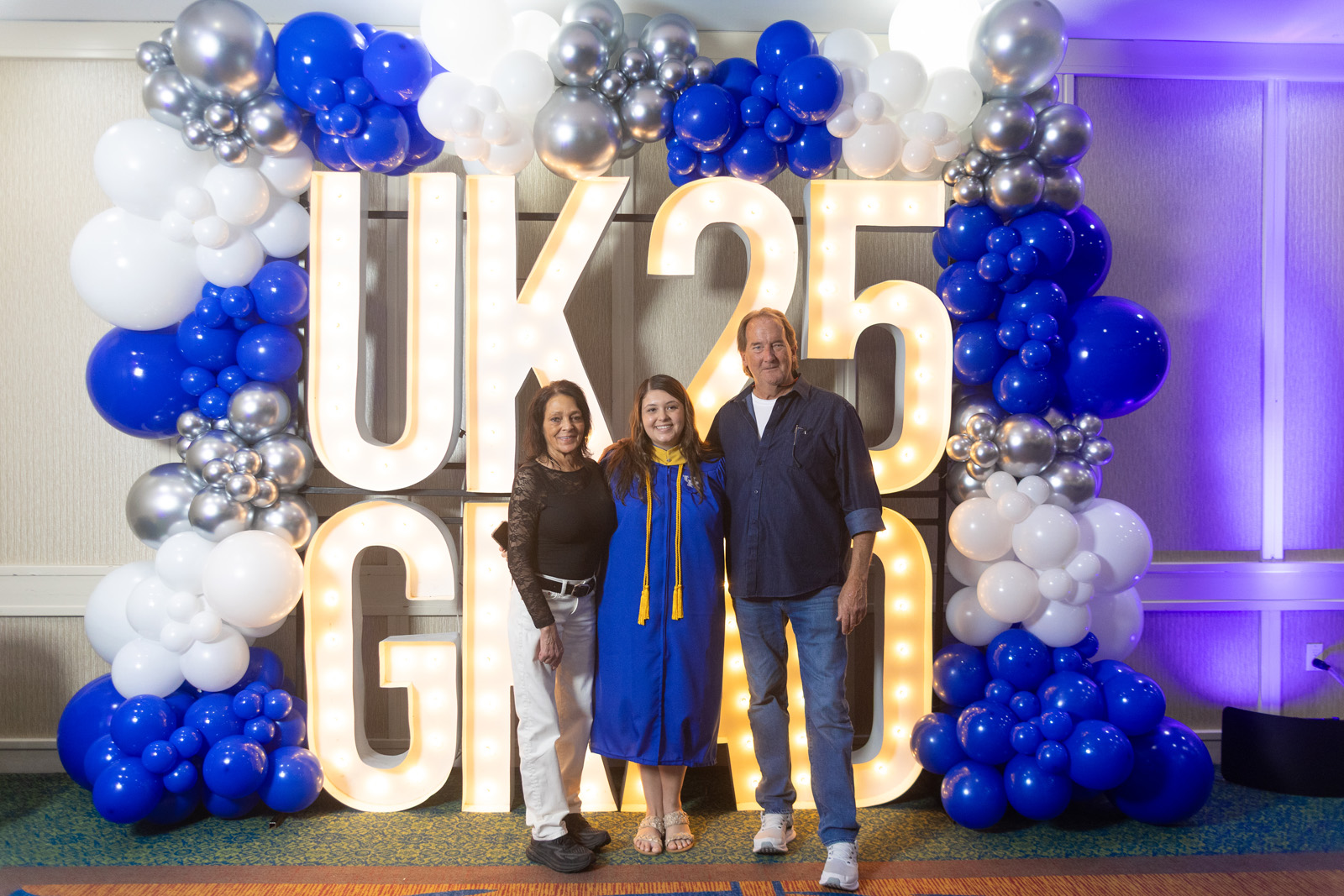
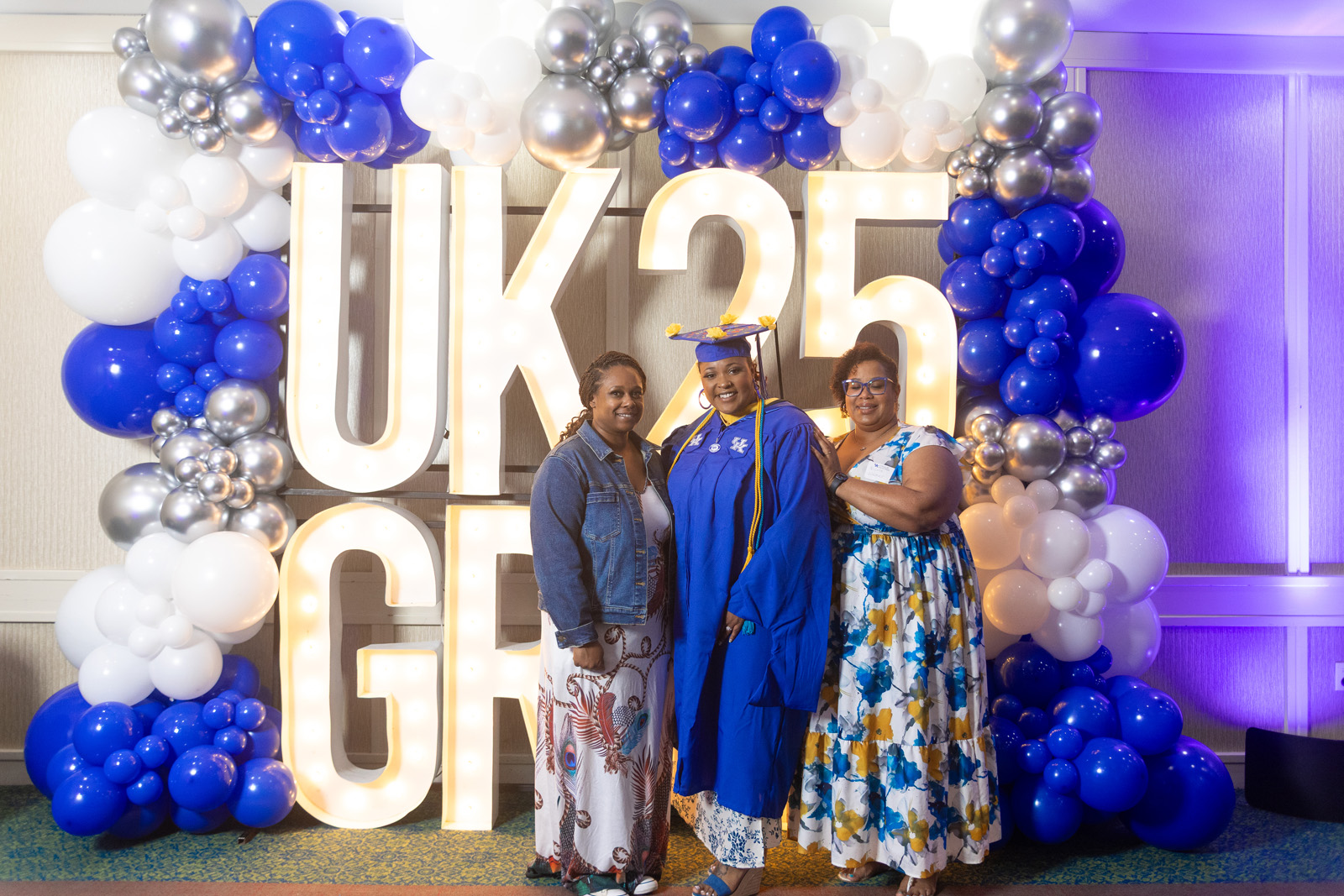
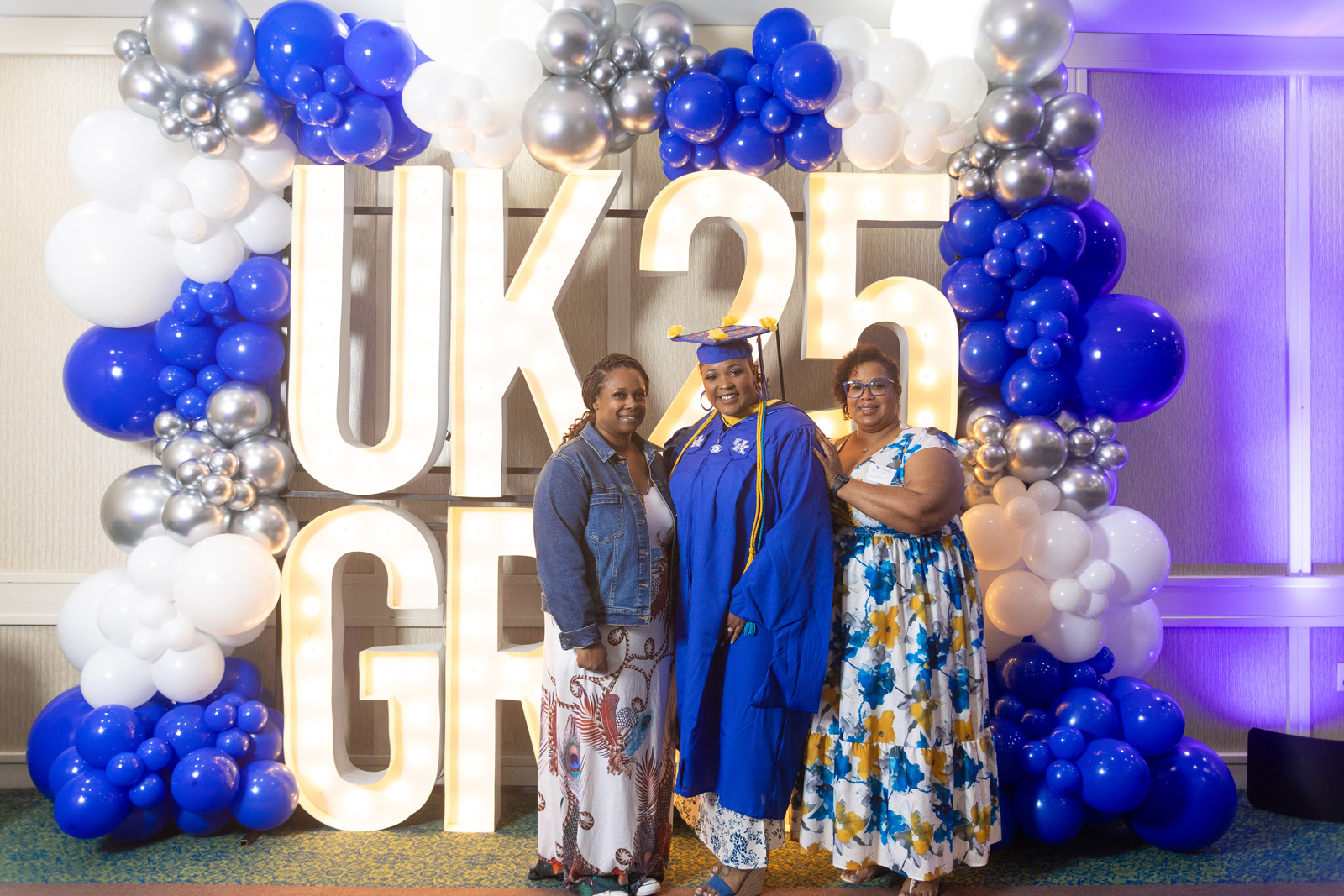
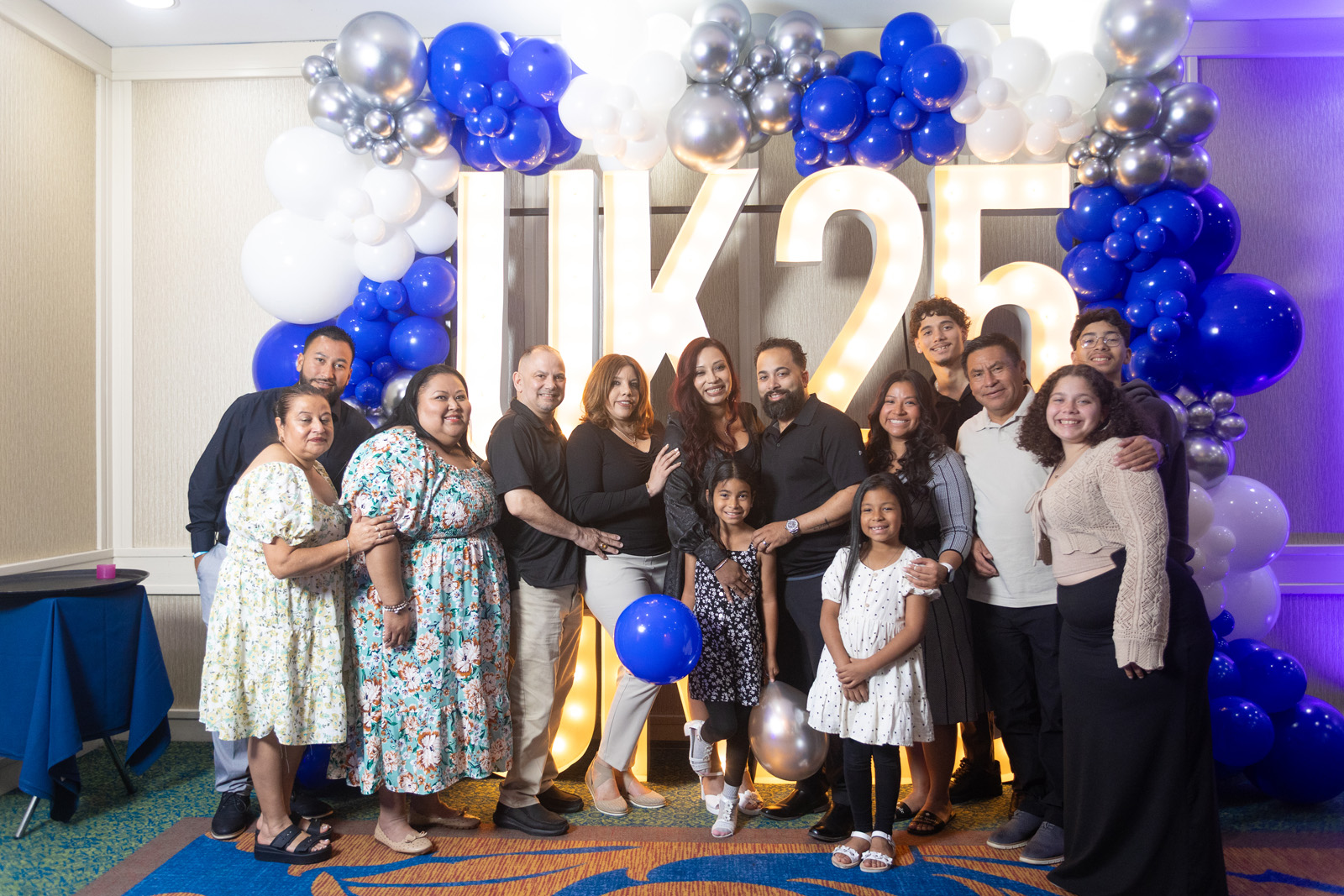
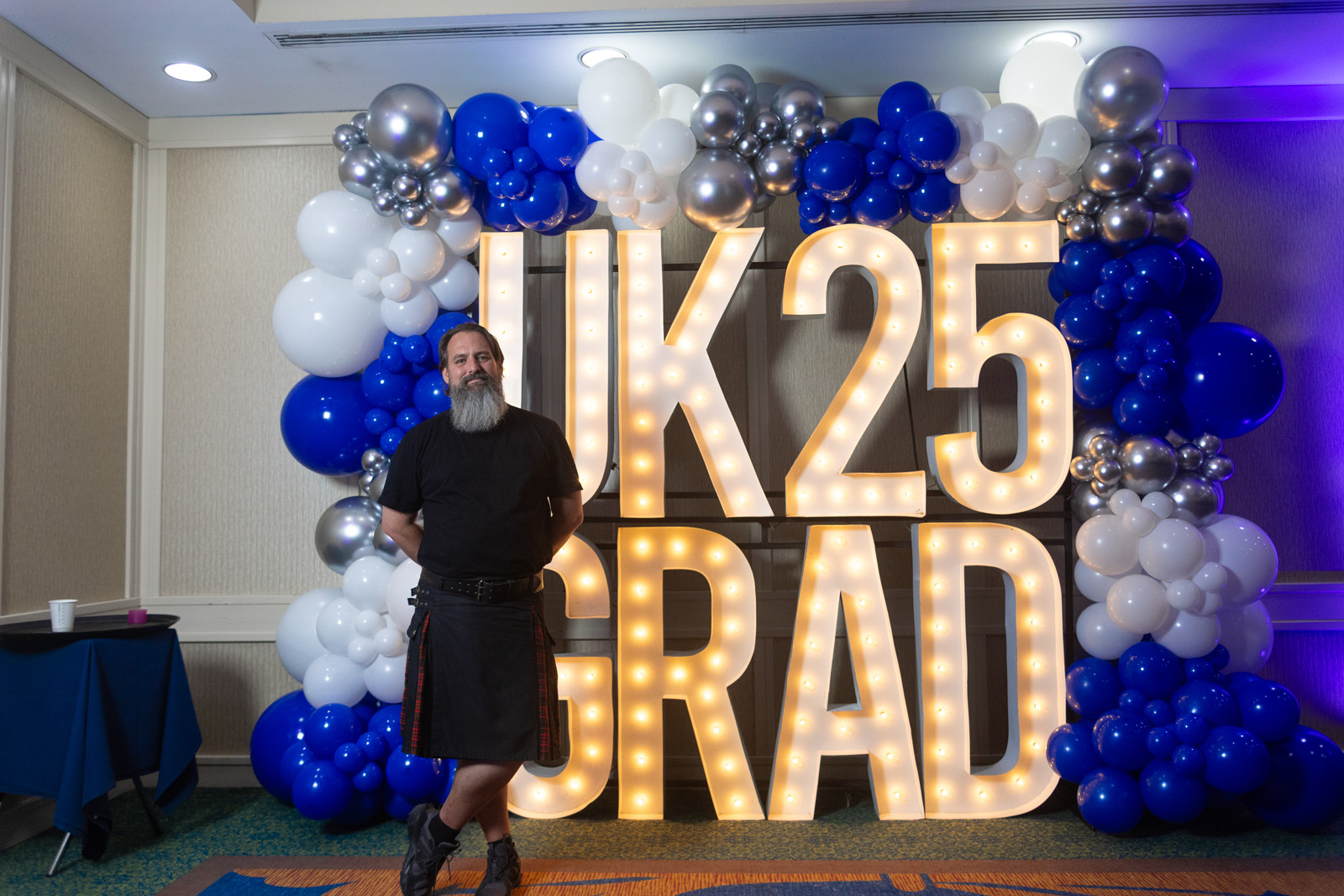
๐Ÿ“ทHighlights: 2025 May Graduation

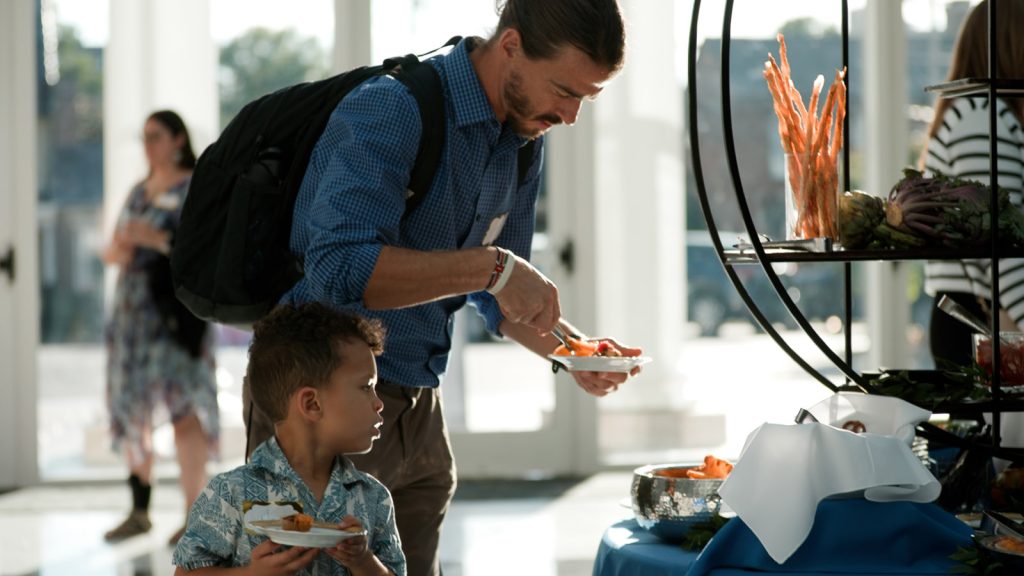
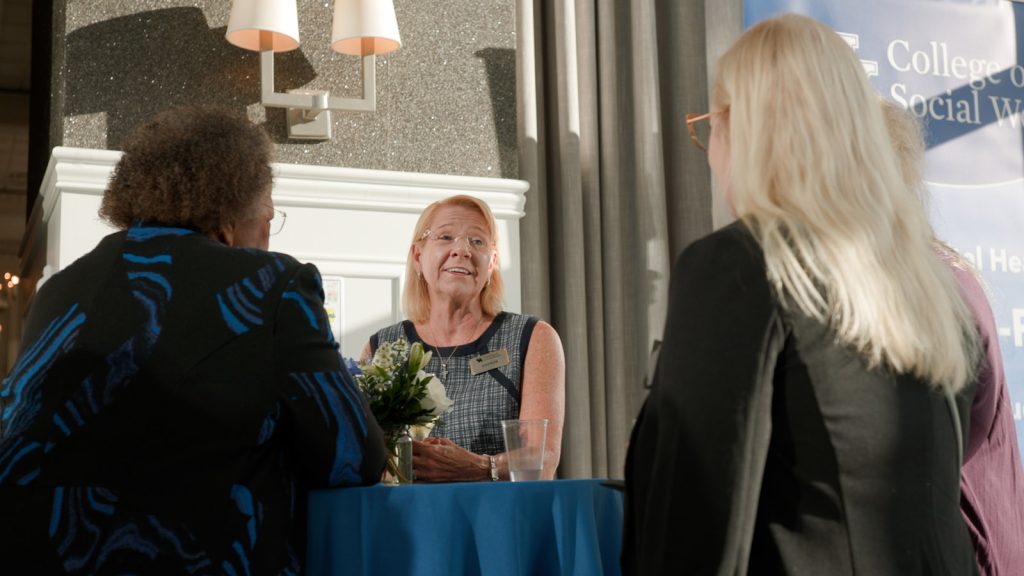
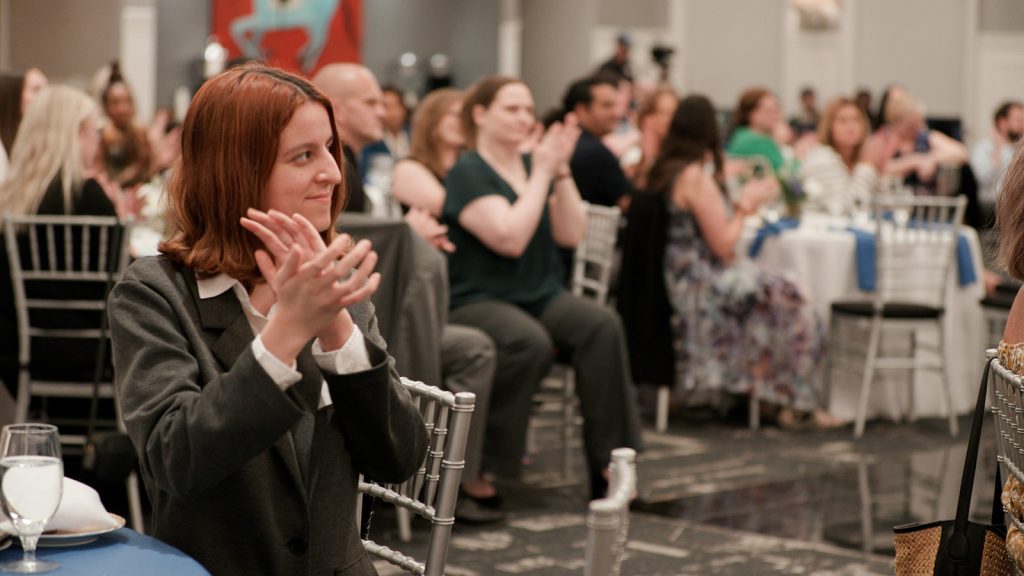
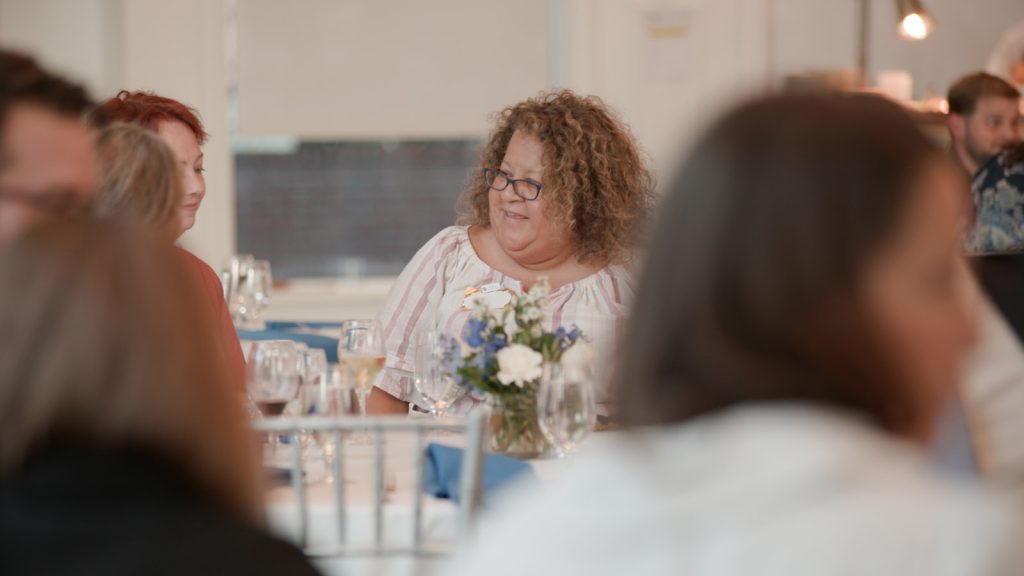
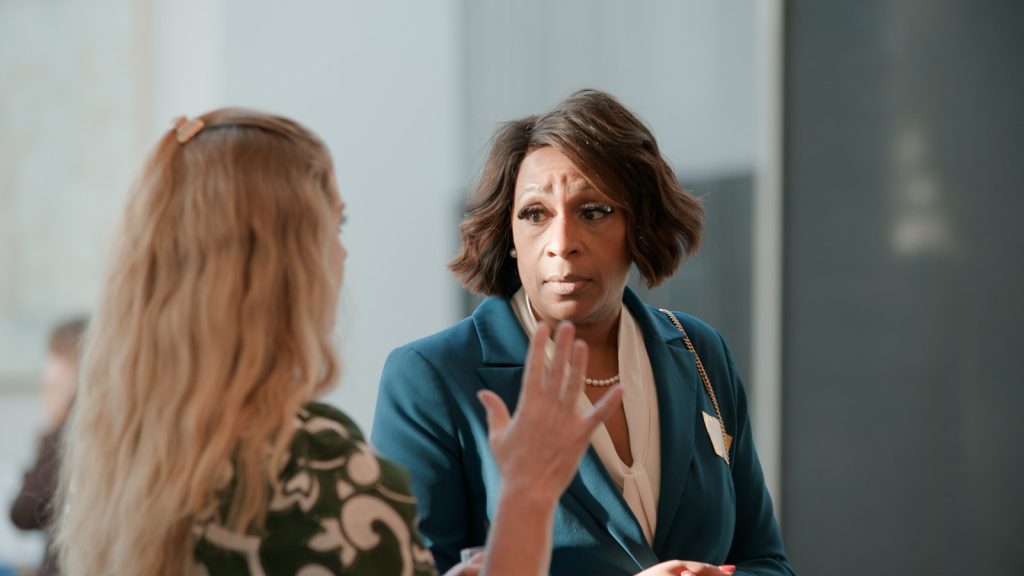
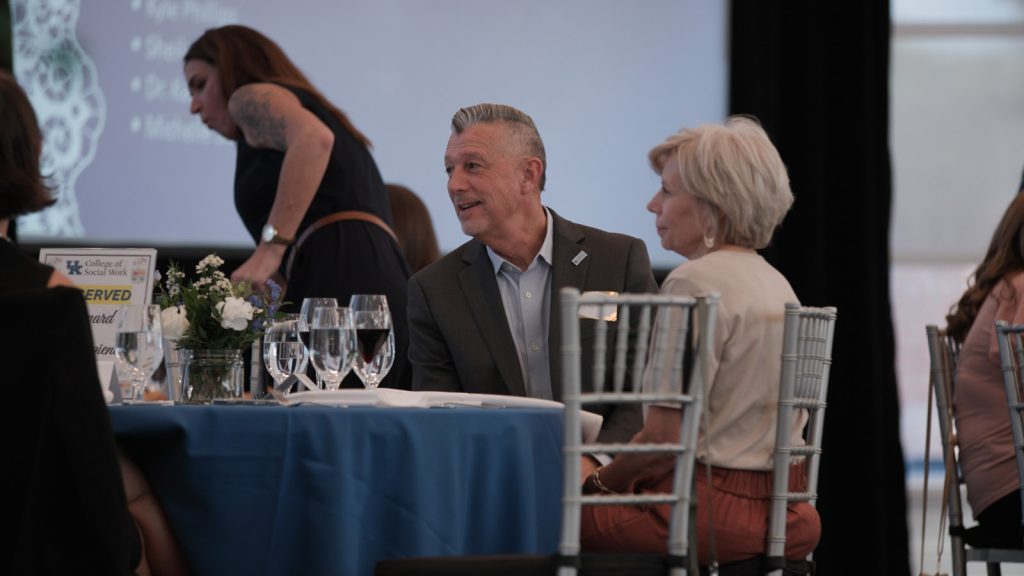
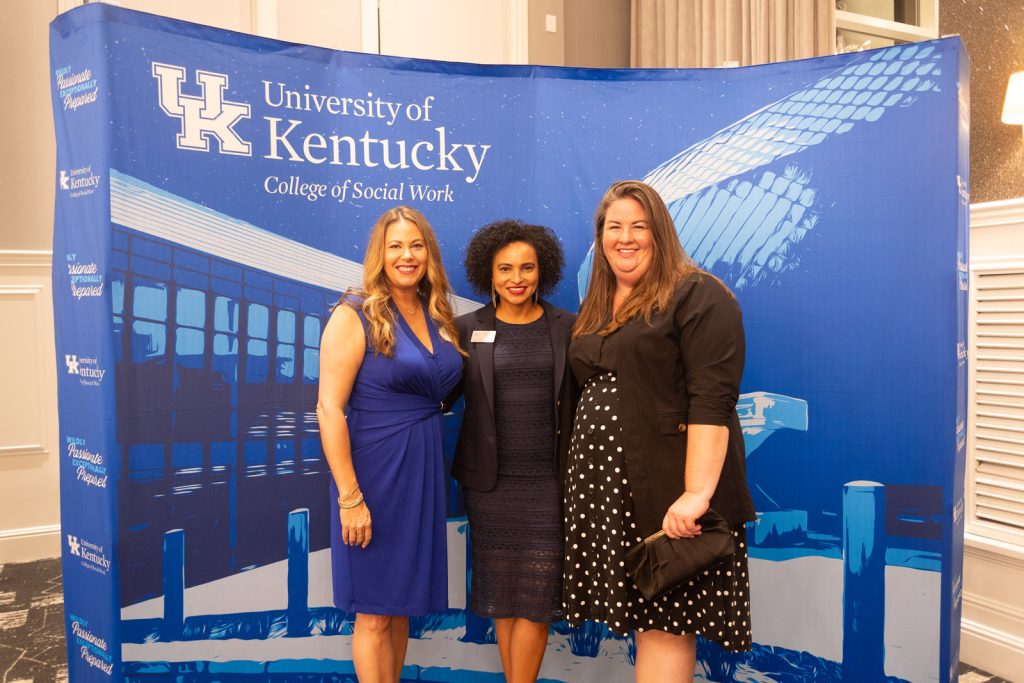
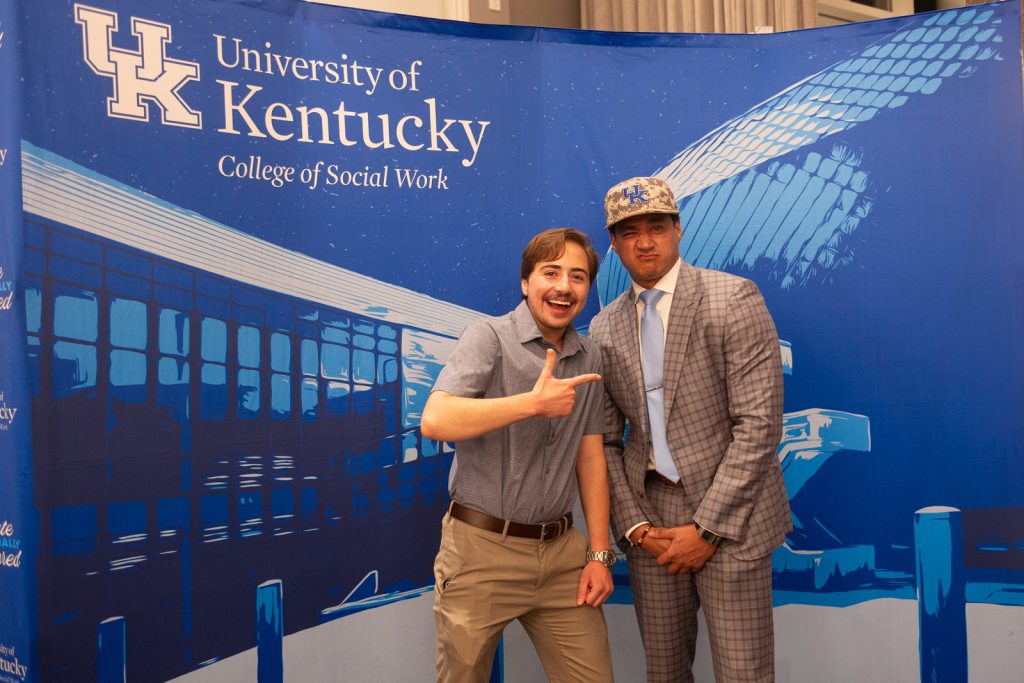
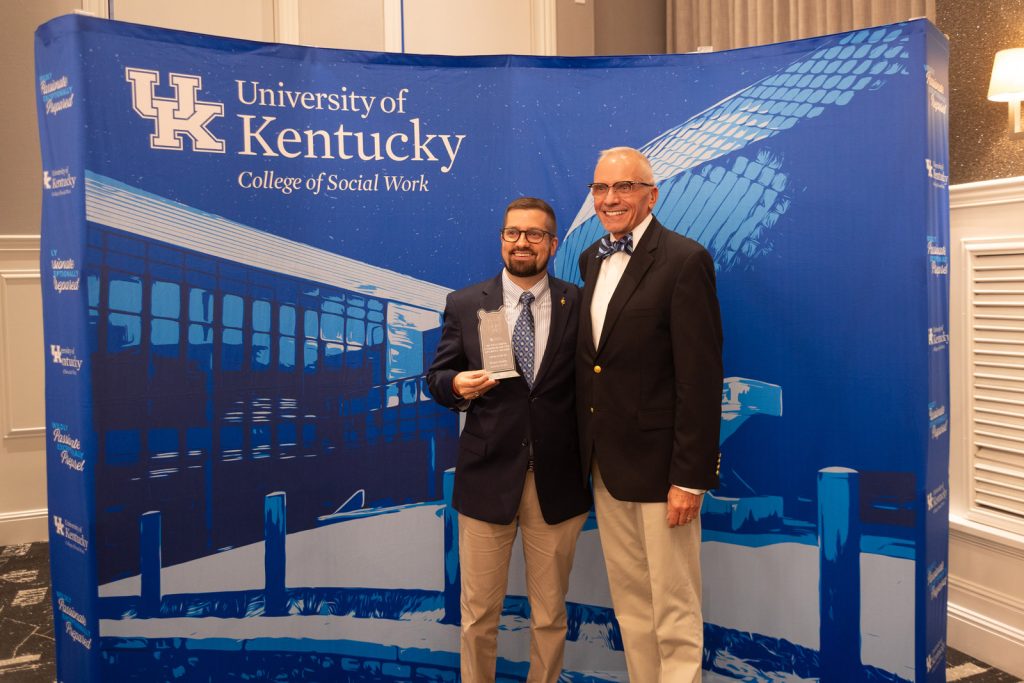
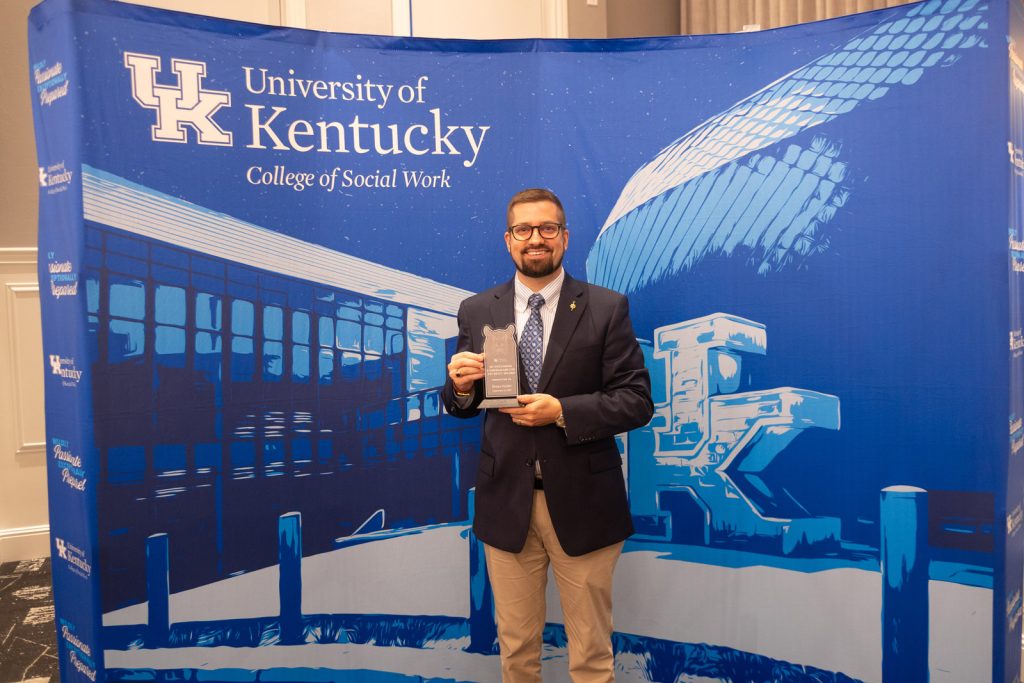
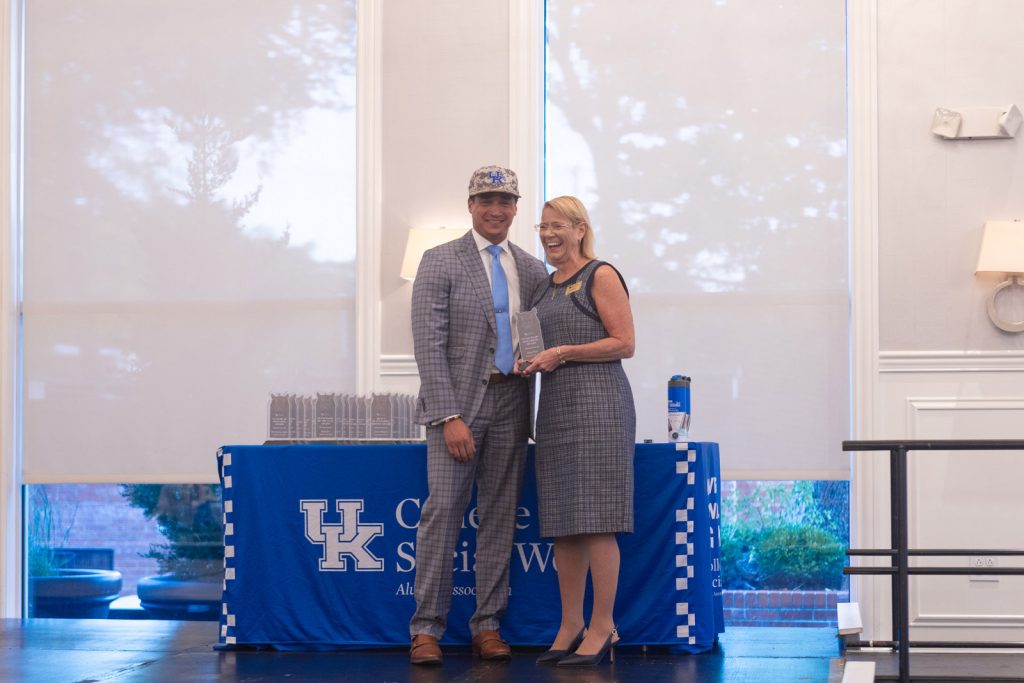
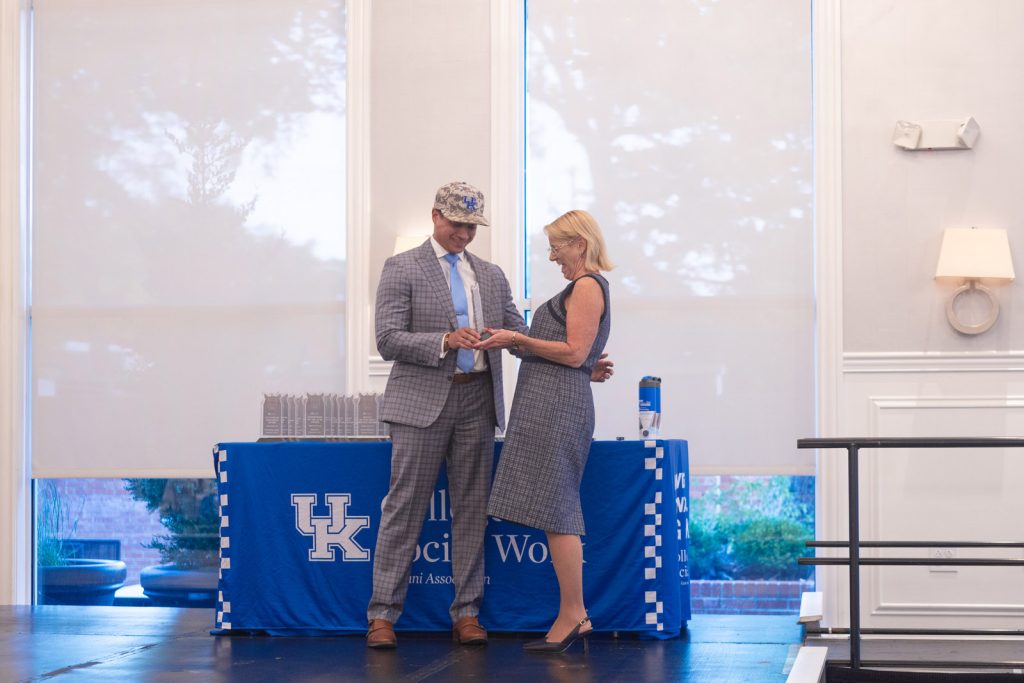
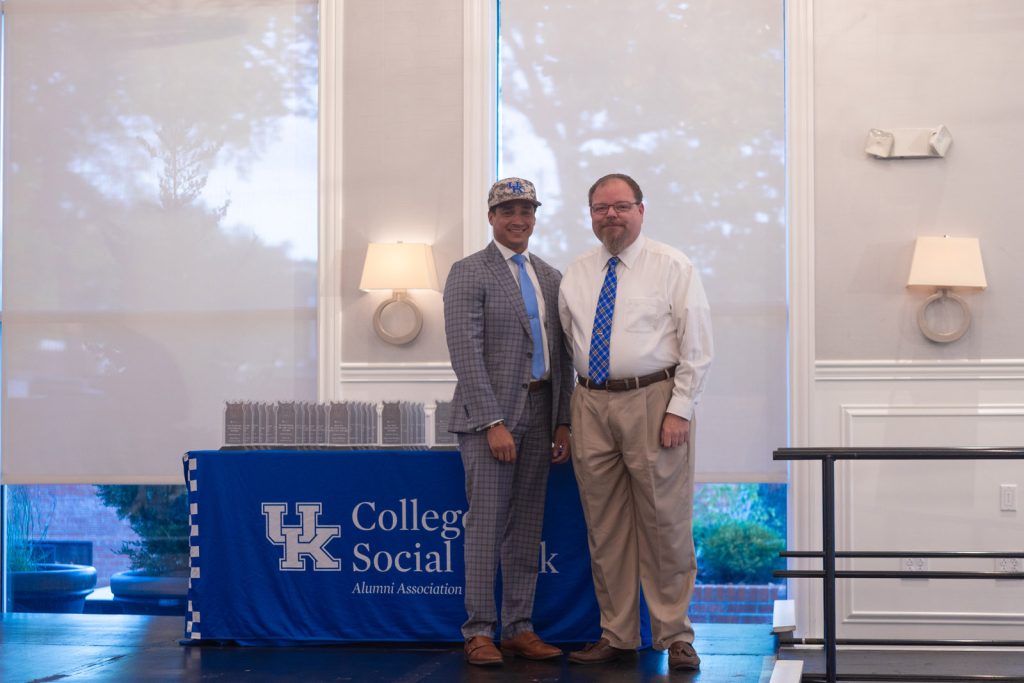
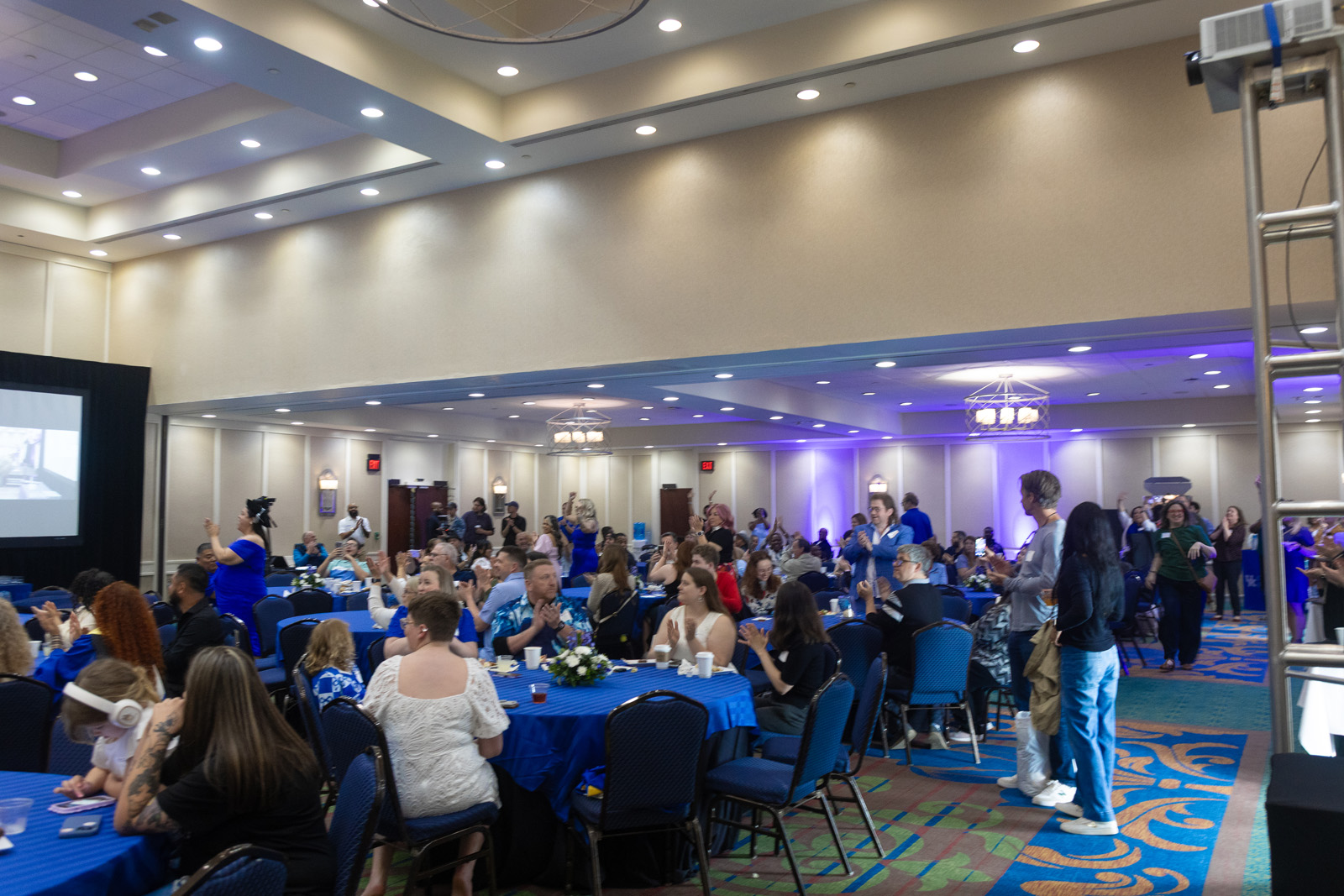
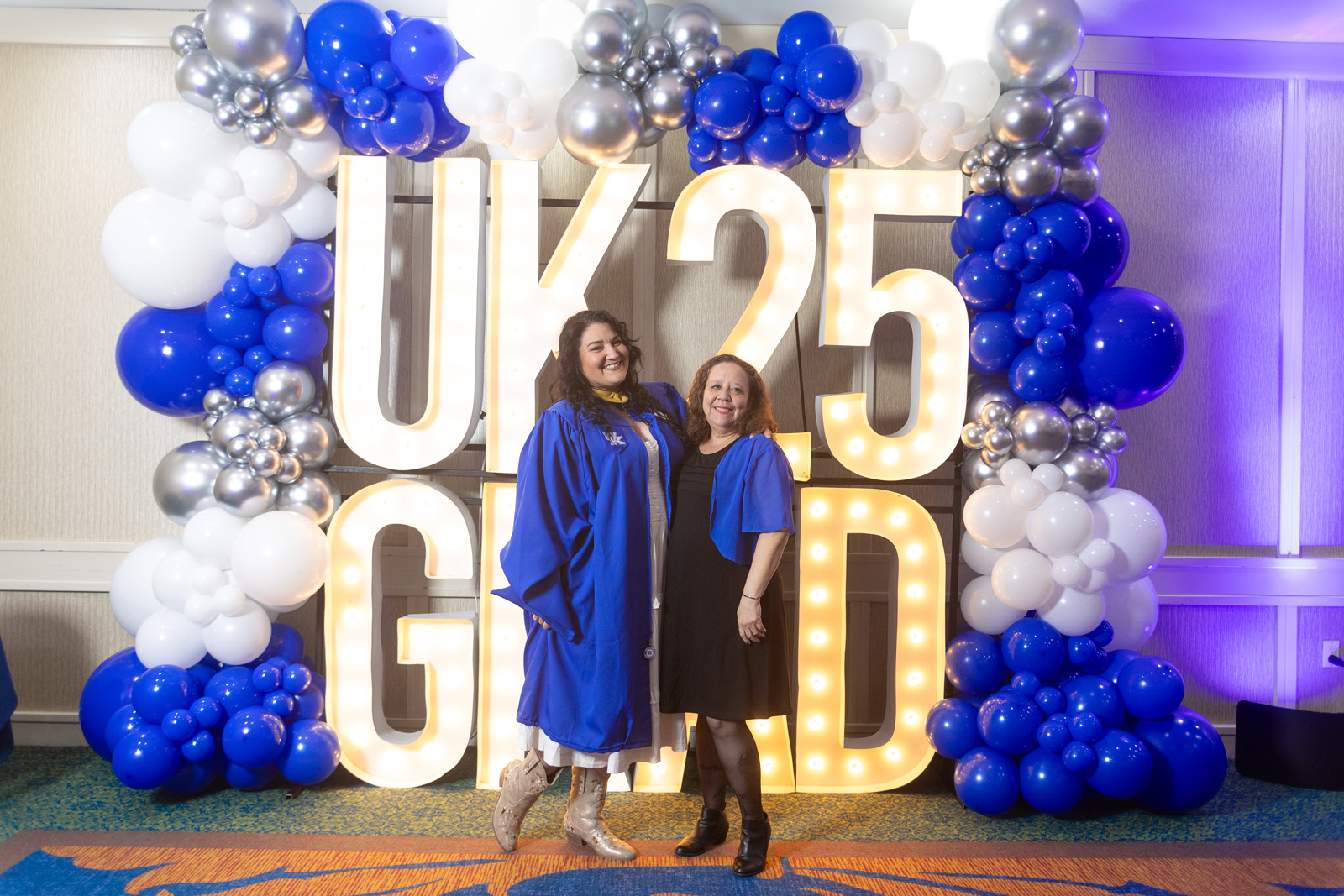
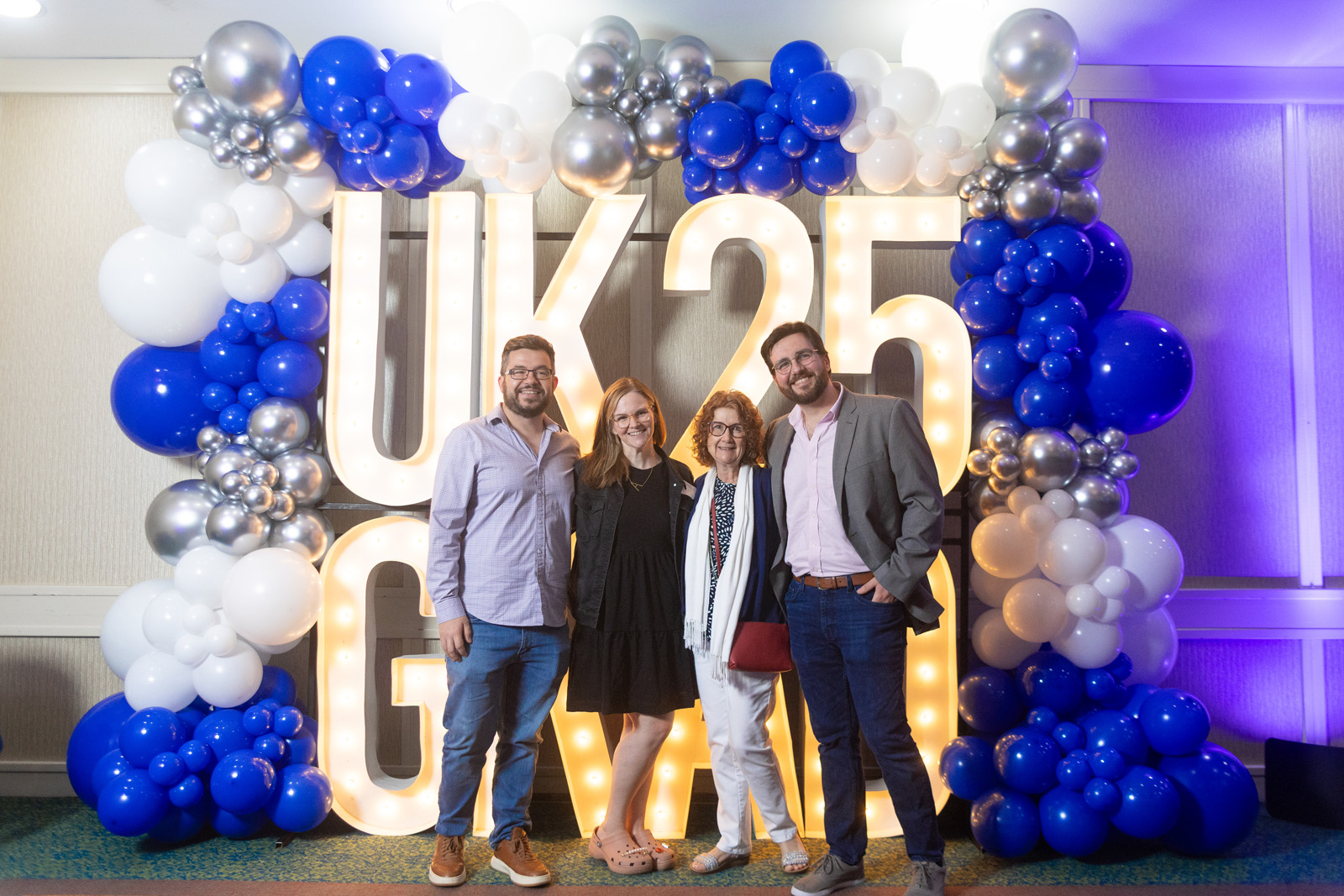
On May 9, 2025, The UK College of Social Work celebrated the accomplishments of its graduating class of 2025. Amidst a backdrop of joy and nostalgia, graduates, faculty, staff, families, and guests came together to commemorate the occasion. The festivities began with a Graduation Celebration Event at the Hilton Hotel in downtown Lexington, KY, followed soon after with commencement at Rupp Arena later in the day.
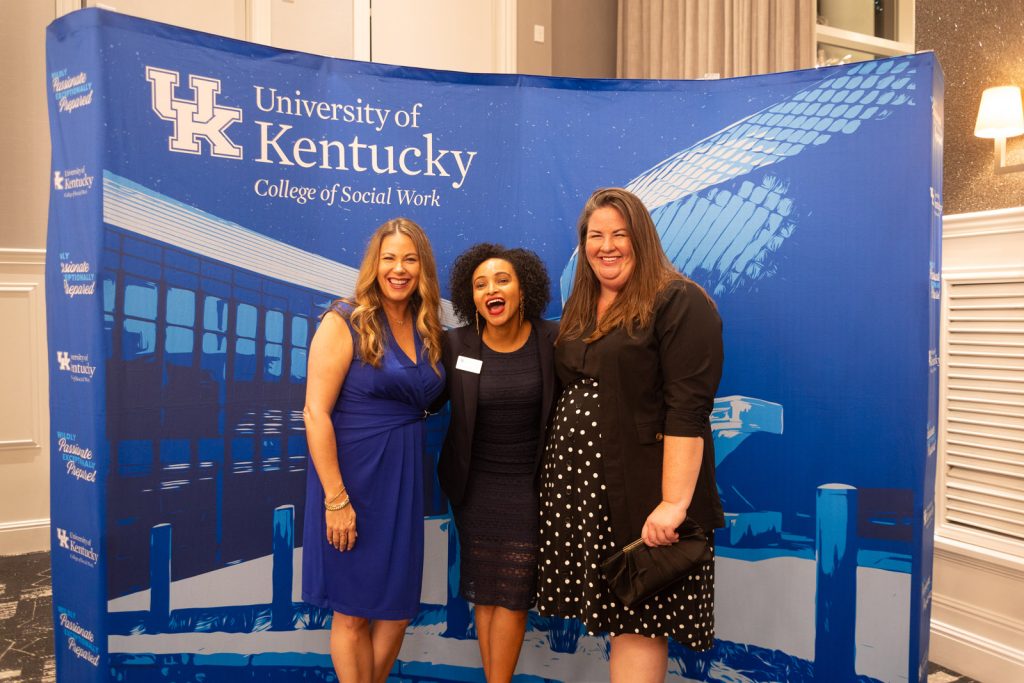
Below are the photo highlights of the celebration event. Photo credit Cassie Payne/UK College of Social Work

How UK Grad Raven Whitaker-Smith found family, purpose โ€” and herself

This article was originally published by Lindsey Piercy and Steve Shaffer of UKNow. You can view the original article here.

Video produced by UK Public Relations and Strategic Communication and UK Marketing and Brand Strategy. To view captions for this video, push play and click on the CC icon in the bottom right-hand corner of the screen. If using a mobile device, click on the โ€œthought bubbleโ€ in the same area.

LEXINGTON, Ky. (May 8, 2025) โ€” How do you define family?

For some, itโ€™s the people they grew up with โ€” parents, siblings and relatives bound by blood. For others, itโ€™s a chosen group โ€” friends, mentors or caregivers.

For Raven Whitaker-Smith, the meaning of family often felt undefined.

By the time she was 12-years-old, she had already lived through more than most do in a lifetime. While being bounced around the foster care system, Whitaker-Smith had no sense of permanence, no deep roots โ€” just a longing to feel chosen.

โ€œMy biological parents were just kids when they had me and my siblings,โ€ she said. โ€œThey were addicted to drugs, and my home life was a very dark place.โ€

When Whitaker-Smith was 11, the Department for Community Based Services stepped in and removed her and her siblings from their tumultuous home.

Whitaker-Smith found herself living at Holly Hill, an all-girls group home, while attending Campbell County Middle School. The weight of her personal struggles often spilled over into the classroom โ€” one day landing her outside the principalโ€™s office.

Whitaker-Smith was just a sixth grader, but she was on the verge of suspension.

****

Jason Smith felt being a school principal was not just a career โ€” but a calling.

He had been one for 14 years when he found Whitaker-Smith sitting outside his office.

โ€œShe was just this sweet looking, little innocent child sitting there โ€” kind of defeated,โ€ he said. โ€œI asked her, โ€˜Whatโ€™s going on?โ€™ and she said that she had thrown a cup of yogurt at lunch, had been suspended and was waiting to be picked up.โ€

Smith then asked her if she would ever throw food at a restaurant with her family. She told him she had never eaten in one and didnโ€™t have a family.

โ€œAt that point, I had felt like she just needed a hand โ€” needed help,โ€ he said.

Though brief, that conversation had a profound impact on Smith. But he hesitated to bring it up to his wife, Marybeth, that evening.

For years, the couple had faced the heartbreak of infertility.

They had once opened their home as foster parents hoping to adopt. But that dream had quietly faded nearly six years earlier after caring for a trio of siblings โ€” only to have them reunified with their biological parents.

Following that fateful interaction, the Smiths began exploring the idea of fostering Whitaker-Smith. They first reached out to her case worker, then went through the process of getting recertified as foster parents.

Once approved, the Smiths opened their home to Whitaker-Smith, who moved in with them in June 2015.

โ€œHe (Smith) felt compelled to become a foster parent,โ€ Whitaker-Smith recalls. โ€œThe summer following sixth grade, I began having visitation with them before moving in. From there, we became a family.โ€

On Nov. 3, 2017, the Smiths formally adopted Whitaker-Smith, by then a high school freshman. Their inspiring story was later featured on Good Morning America.

โ€œThey gave hope to a hopeless kid,โ€ she said.

****

Whitaker-Smith hadnโ€™t just found a home โ€” she found a future.

Her new family had deep ties to the University of Kentucky. Before moving in, she remembers seeing photos of them dressed from head to toe in Wildcat gear.

โ€œThey would show me these pictures โ€” the whole family,โ€ she said. โ€œAnd as I got older, and I learned about college, I just knew UK was for me.โ€

But choosing UK wasnโ€™t just about family pride โ€” it was about finding a purpose. Whitaker-Smith had always felt drawn to working with children. Still, she struggled with the idea of helping others when she herself felt โ€œunhealed.โ€

That started to shift during her first social work class with Professor Shelita Jackson, D.S.W.

โ€œAs soon as I was in her class, I knew social work was for me,โ€ Whitaker-Smith said. โ€œI just felt so passionate. I knew I was supposed to be there.โ€

Through her College of Social Work (CoSW) coursework โ€” classes in psychology, domestic violence and family systems โ€” Whitaker-Smith began to confront and understand her past.

โ€œI would think about my past and my biological parents when they were younger,โ€ she continued. โ€œThey kind of grew up in a similar situation, and they didnโ€™t have a lot of resources.โ€

Whitaker-Smithโ€™s education led to understanding, and ultimately, her understanding led to compassion. โ€œWhy would the cycle change unless youโ€™re educated about it?โ€ she asks. โ€œSocial work definitely saved me and changed the way I thought about things โ€” definitely the way I thought about my past.โ€

Now, Whitaker-Smith works at the DCCH Center for Children and Families โ€” the same nonprofit organization that helped facilitate her foster care with the Smiths.

โ€œThe therapeutic atmosphere DCCH provided was what I needed to learn to trust my parents and heal from the trauma I experienced,โ€ she said. โ€œThey are still there for me today. I truly feel DCCH is a part of my family and played a significant role in my story.โ€
****

As Whitaker-Smith prepares to walk across the Commencement stage, she knows exactly where to look โ€” toward the cheering crowd of loved ones, with her family front and center.

Their unwavering support has given her the strength to believe in herself and her future.

โ€œI havenโ€™t actually talked about how proud I am of myself,โ€ Whitaker-Smith admits through tears. โ€œBut to be the first person from my biological family to graduate high school and then move on to college, Iโ€™m so incredibly proud of myself.โ€

More than anything, sheโ€™s ready to pay it forward โ€” eager to step into the role of the social worker she once needed.

โ€œNot many people get to say their parents chose them. If anyone reading this is thinking about fostering or adopting a child, I urge you to take a chance,โ€ she said. โ€œFoster care saved my life and because of that, it has inspired me to be a social worker. There are so many kids out there that are just like me โ€” who need to be loved, cared for and given hope.โ€

Did you know, in Kentucky alone, more than 8,000 children are in need of foster or adoptive parents? You can learn more by visiting the DCCH website.

Explore the degree pathways and programs available through the CoSW by visiting the college website.  

Raven Whitaker-Smith works at the DCCH Center for Children and Families โ€” the same nonprofit organization that helped facilitate her foster care with the Smiths. UK Photo

As the stateโ€™s flagship, land-grant institution, the University of Kentucky exists to advance the Commonwealth. We do that by preparing the next generation of leaders โ€” placing students at the heart of everything we do โ€” and transforming the lives of Kentuckians through education, research and creative work, service and health care. We pride ourselves on being a catalyst for breakthroughs and a force for healing, a place where ingenuity unfolds. It’s all made possible by our people โ€” visionaries, disruptors and pioneers โ€” who make up 200 academic programs, a $476.5 million research and development enterprise and a world-class medical center, all on one campus.

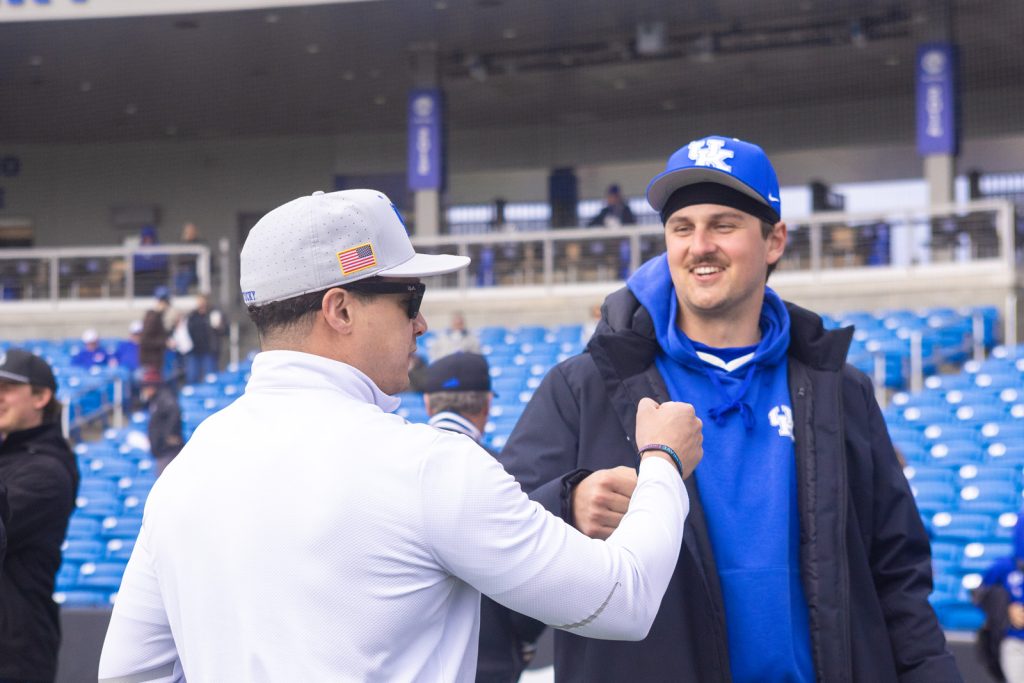
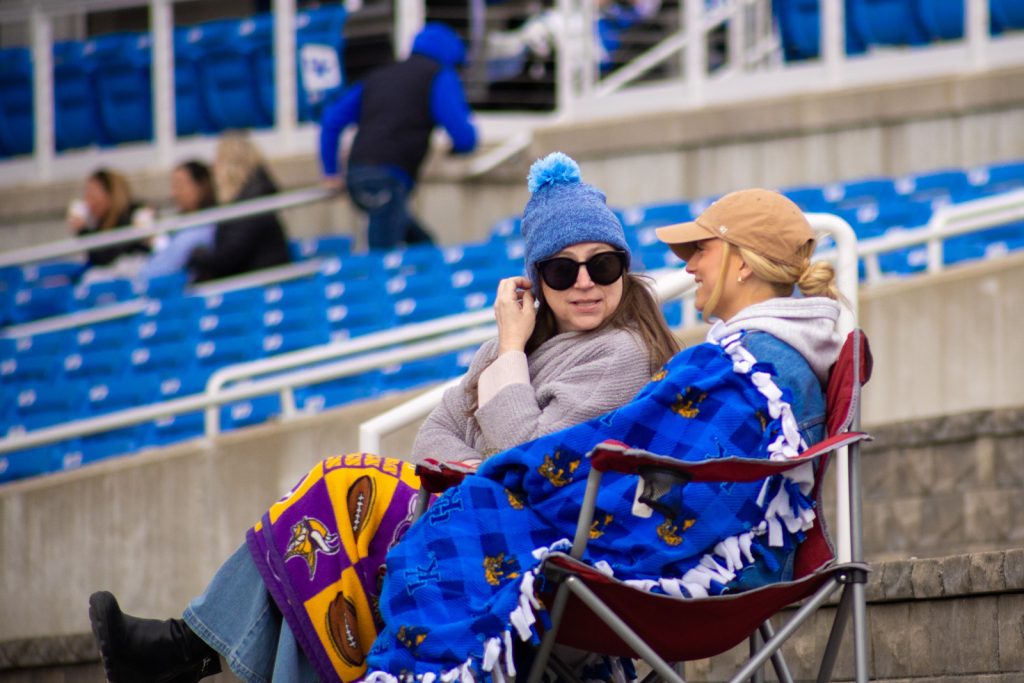
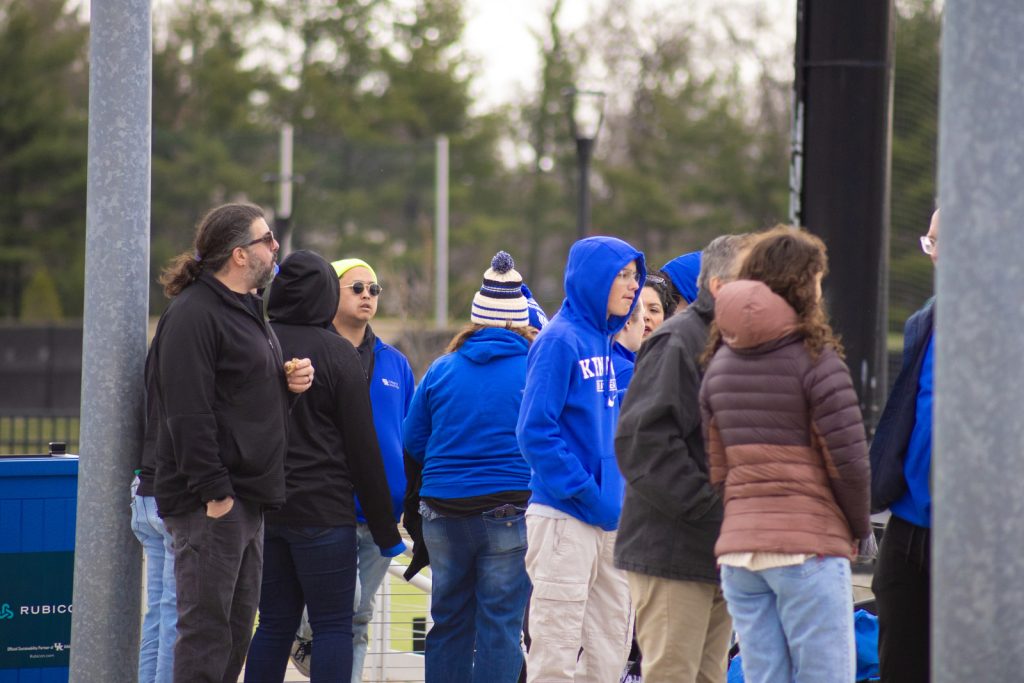
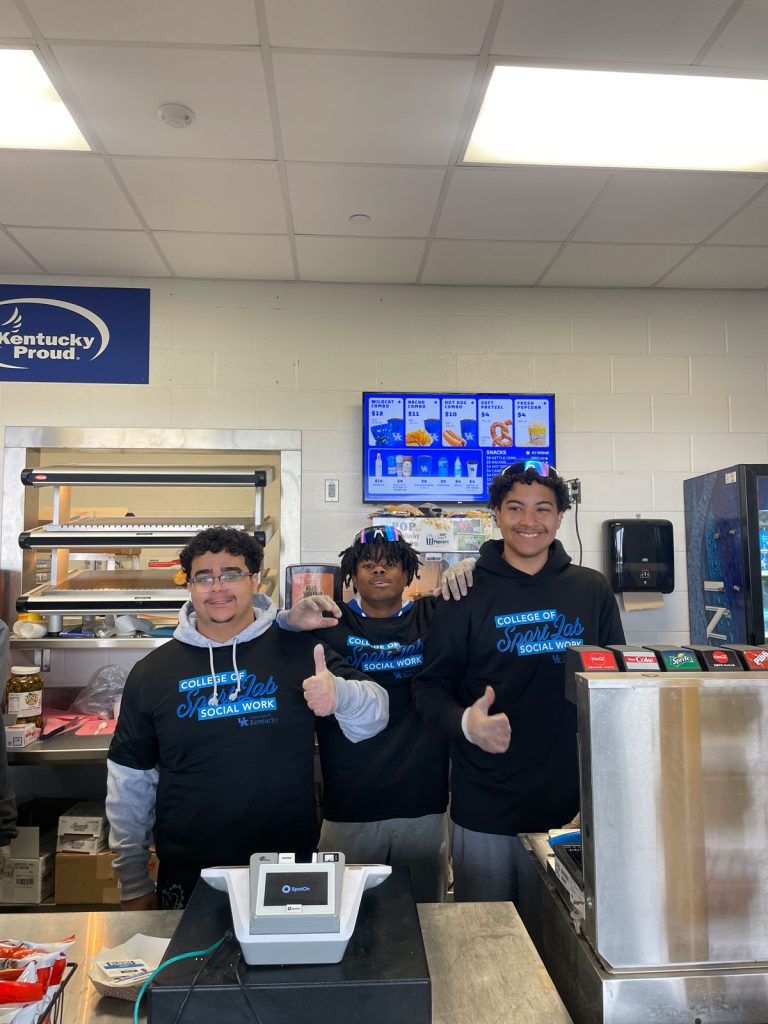
๐Ÿ“ทHighlights: 2025 CoSW Goes Out to the Ball Game

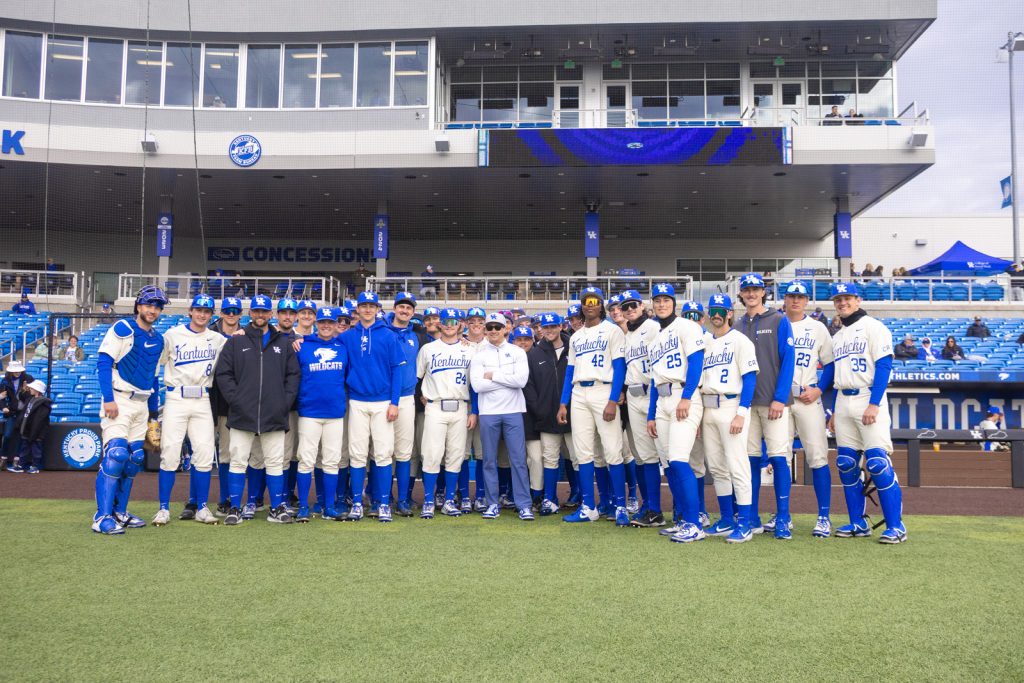
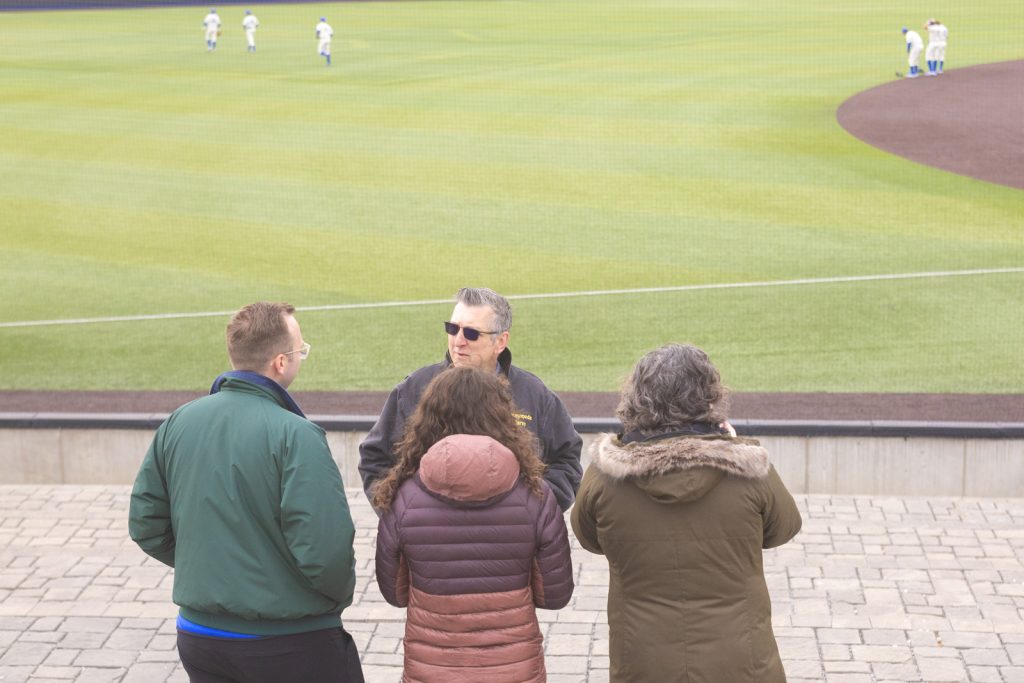
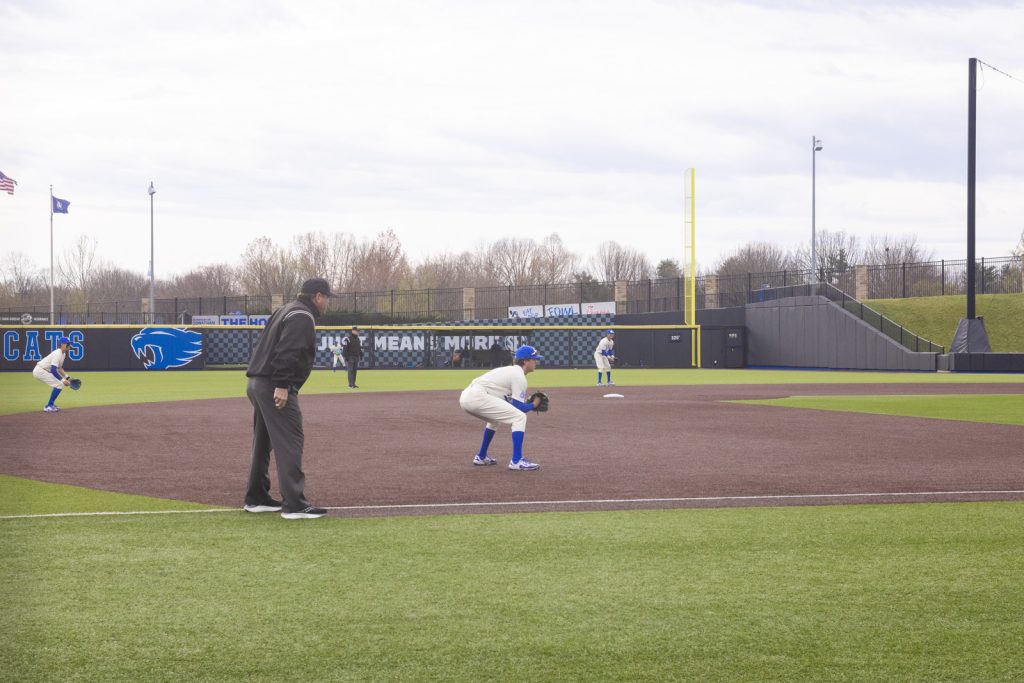
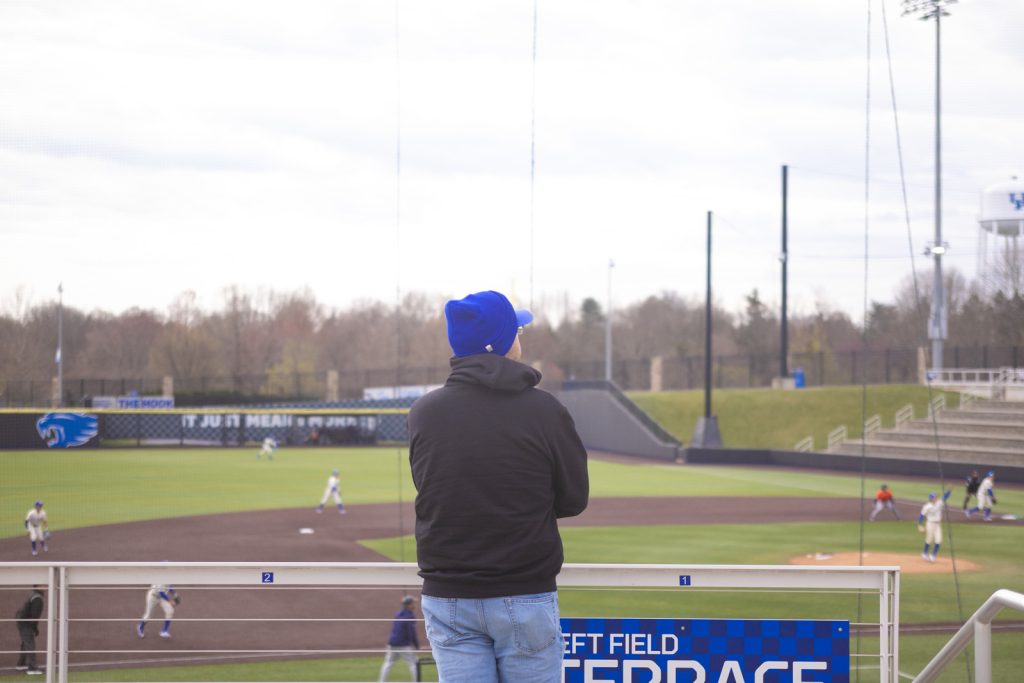
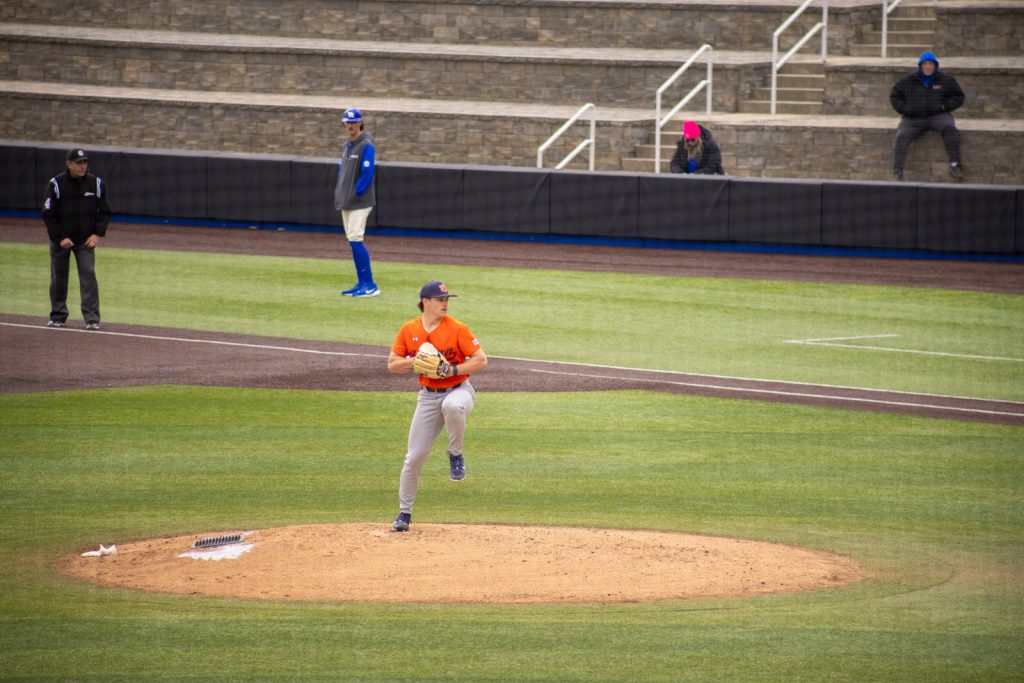
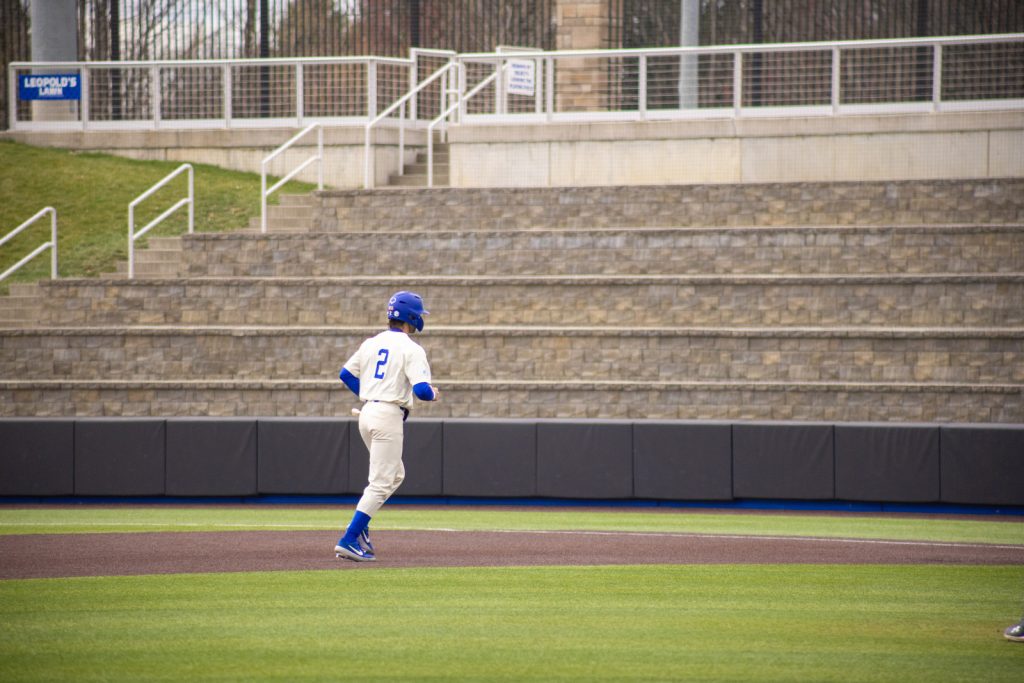
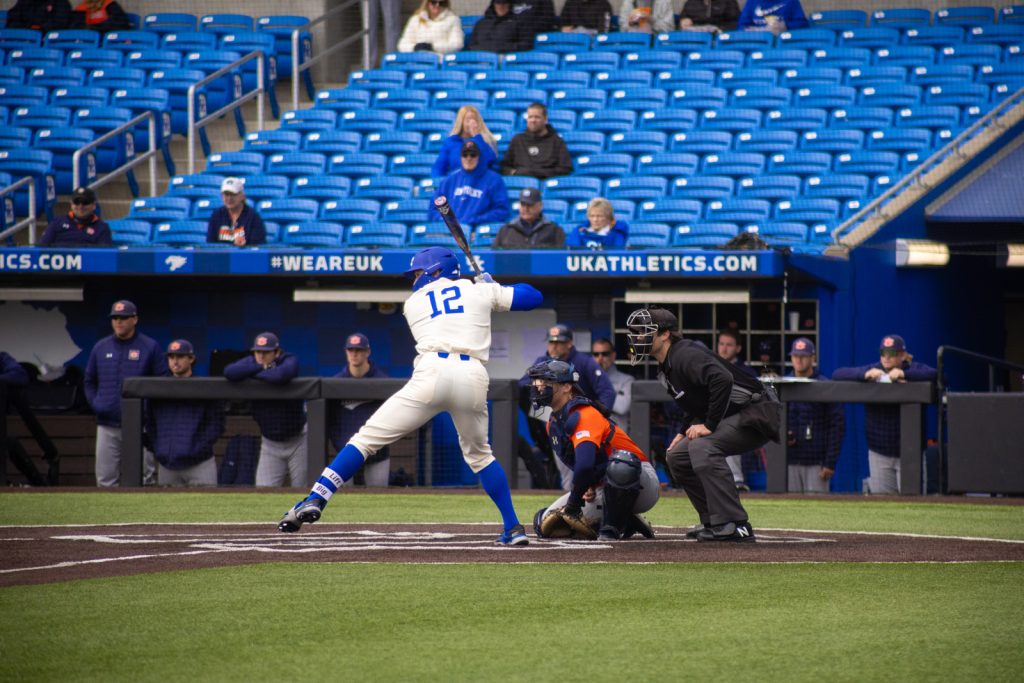
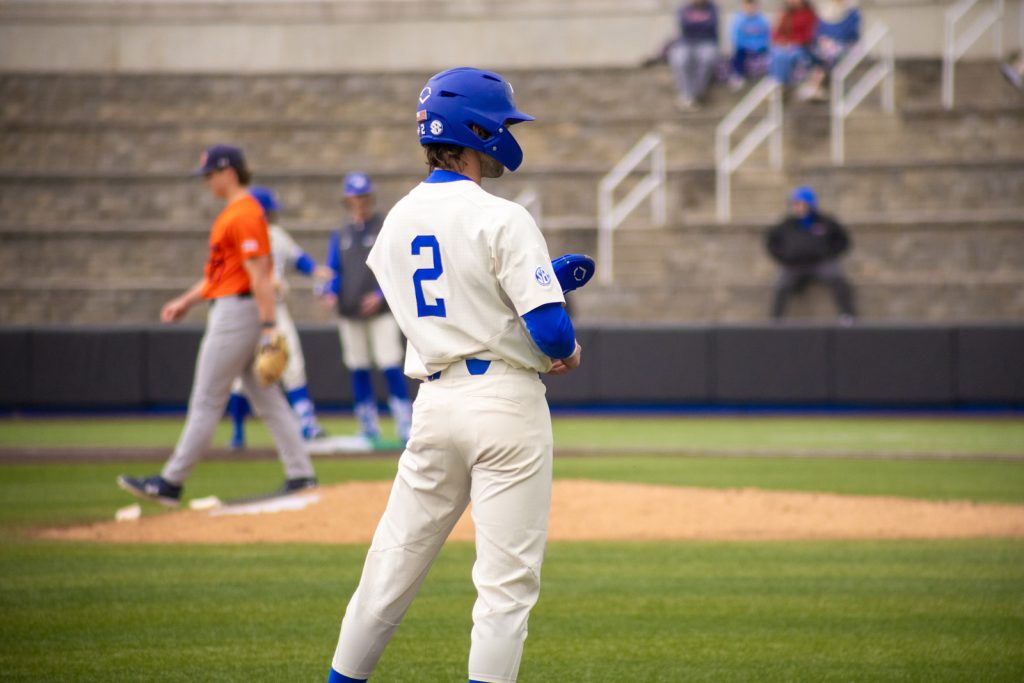
LEXINGTON, Ky. โ€“ The University of Kentucky College of Social Work (CoSW) continues to celebrate National Social Work and Criminal Justice Month, coming together with faculty, staff, and students at the UK baseball game on March 23.

The CoSW and Dean Jay Miller invited all faculty, staff, and alumni to College of Social Work Day at Kentucky Proud Park as the Wildcats defeated the Auburn Tigers, 6-0.

Miller also had the opportunity to throw out the first pitch prior to the game, throwing a strike to the Wildcat catcher. There was also a tailgate area for the College to come together with fellow CoSW members.

The CoSW will continue to celebrate National Social Work and Criminal Justice Month during the month of March, hosting a multitude of events and highlighting the impactful role of social workers and criminal justice professionals across different areas of society. For more information, visit the CoSW National Social Work and Criminal Justice  Month page..


Photo Credit: Cassie Payne / UK College of Social Work

๐Ÿ“ทHighlights: UK College of Social Work Celebrates 2024 December Graduates

LEXINGTON, Ky. โ€“ The University of Kentucky College of Social Work (CoSW) spent a December morning with its newest batch of graduates at the Hilton Hotel on December 20. Earlier in the day, these students were honored for their academic achievements by crossing the stage at Rupp Arena and presented with their degrees by President Eli Capilouto, along with CoSW faculty.

Photo credit Cassie Payne & Bree Williams.

โ€˜Behind the Blueโ€™: The psychology behind sports rivalries, why we love to loathe the other team

This article and podcast was originally published by Lindsey Piercy and Kody Kiser of UKNow.


What drives the fierce passion of sports rivalries? From loyalty and identity, to the thrill of competition, explore the psychology fueling these intense connections and conflicts by listening to this edition of โ€œBehind the Blue.โ€

LEXINGTON, Ky. (Dec. 13, 2024) โ€” Fans, dressed from head to toe in their teamโ€™s colors, swarm the stadium chanting fight songs and waving banners.

Itโ€™s game day, and the stakes feel monumental.

Sports rivalries are a cornerstone of athletic culture โ€” sparking packed bleachers, passionate debates and unforgettable moments.

But what drives the fervor that fans feel for their team and the disdain for their rivals? Experts suggest the answer lies not just in the scoreboard, but in the human psyche.

According to Matt Moore, associate dean of academic and student affairs in the University of Kentucky College of Social Work (CoSW), and Tarkington Newman, director of CoSW Sport Social Work Research Lab, rivalries are more than competition; theyโ€™re a powerful blend of identity, emotion and instinct.

The CoSW recently announced the launch of the Sport Social Work Collaborative โ€” a partnership between the Alliance of Social Workers in Sports (ASWIS), the Sport Social Work Journal and the collegeโ€™s Sport Social Work Research Lab. The goal is to advance sport social work as a distinct specialization within the social work profession.

The collaborative is focused on leading research, teaching and outreach efforts that seek to promote the healthy development of athletes, coaches and communities. The CoSW is also home of the International Institute on Sport Social Work.

โ€œThe collaborative spans everything from community-based youth development programs, high school sports, to collegiate athletics,โ€ Newman said. โ€œBut ultimately, the lab is committed to maximizing sports and promoting healthy experiences and development. Itโ€™s a place for exploration โ€” understanding what sports are, what they can be, and giving students the opportunity to engage and lead research experiences.โ€

On this edition of โ€œBehind the Blue,โ€ Moore and Newman, who are both part of the collaborative, explore the psychology behind sports rivalries โ€” why we love our teams as fiercely as we loathe the opposition, and why this drama keeps us coming back for more.

Rivalries and social identity

Sports rivalries are deeply rooted in social identity theory, which suggests that people gain self-esteem from being part of a group.

A rival team serves as the โ€œout-group,โ€ creating a clear โ€œus vs. themโ€ dynamic. This contrast strengthens loyalty to oneโ€™s own team and builds a sense of community among fans.

โ€œFans really do come in knowing that this is going to be the big rivalry game for us, and they get themselves to believe it,โ€ Moore explained. โ€œWhether or not you think it should be a rivalry, because of the media attention and how much it means to the community, it becomes a part of the fabric of who you are.โ€

The role of emotions

Rivalries evoke intense emotions that keep fans engaged.

From exhilaration to frustration, the hype is heightened when the opponent is a long-standing rival. And this emotional investment strengthens fansโ€™ connection to their team and the rivalry itself.

โ€œA lot of it hinges on identity โ€” my identity is tied to this sport, this team and the success we have, either as individuals or a collective group,โ€ Moore said. โ€œWhen things go against that identity, it causes reactions that donโ€™t always show our best selves.โ€

โ€œI also think it goes back to relationships,โ€ Newman added. โ€œWhen you trace rivalry games โ€” whether high school, college or professional โ€” it often goes back to relationships between players or coaches, both good and bad.โ€

Geography and history

Many rivalries stem from regional pride and a shared history of fierce competition. Teams located near each other often face-off more frequently, and these repeated matchups can intensify tensions over time.

โ€œObviously, history and culture play a factor in creating rivalries,โ€ Moore continued. โ€œWhen schools or programs have had longstanding success, rivalries naturally form. And that often transcends for years, decades, even, which is a thing of beauty.โ€

The dark side of rivalries

While rivalries can create excitement and camaraderie, they can also escalate into hostility or even violence. Studies show that fans are more likely to exhibit aggressive behavior toward rival teams or their supporters.

Psychologists caution that this aggression often stems from deindividuation โ€” when people in a group setting lose their sense of individual responsibility.

โ€œWe emphasize certain rivalry games so much that we donโ€™t always think about how to respond if things donโ€™t go our way,โ€ Newman said. โ€œAt the end of the day, itโ€™s just a game. Sometimes we let rivalries become too much of our identity, relationships and emphasis.โ€

โ€œThereโ€™s great research on how spectator behavior impacts the well-being of athletes,โ€ Moore added. โ€œItโ€™s scary to think that athletes and coaches are subjected to harmful behaviors. Fans get fired up, but we need to remember that behind the jerseys and helmets are real people โ€” humans with struggles beyond sports. While athletes have incredible talents, they still deal with the same human challenges as anyone else.โ€

Why we keep coming back

Despite the emotional highs and lows, fans return to rivalry games season after season. Rivalries offer a sense of drama, continuity, and identity that few other experiences can match.

As fans gear up for their next big rivalry game, itโ€™s worth remembering that the intensity they feel is rooted in a mix of psychology, culture, and human nature. So, whether itโ€™s cheering for the home team or booing the rival, the drama of competition continues to captivate us all.

โ€œSports are powerful because they have a shared language,โ€ Newman said. โ€œYou can go to another country, not speak the language, but if thereโ€™s a soccer ball on the ground, you both know what to do with it. Itโ€™s an opportunity to engage with each other through this shared experience.โ€

โ€œSport is one of the few things that can unite mass groups of individuals,โ€ Moore continued. โ€œSport can be a driving force for communities impacted by disaster or political strife โ€” bringing people together. Ultimately, itโ€™s a common language that transcends boundaries and borders.โ€

You can listen to the full interview with Moore and Newman by clicking the play button above.

Celebrating National Adoption Month by Supporting Families Every Step of the Way

By: Emily Nichols, Adoption Support for Kentucky Program Coordinator

Each November, we celebrate National Adoption Monthโ€”a time to raise awareness, honor adoptive families, and most importantly, recognize the children who are still waiting for their forever homes. As the Program Coordinator for Adoption Support for Kentucky (ASK), I have the privilege of working with foster and adoptive families across the Commonwealth, witnessing their joys, challenges, and extraordinary resilience. This month, I invite you to join us in celebrating adoption while recognizing the essential need for ongoing support and understanding for families as they navigate this life-changing journey.

Adoption is Just the Beginning

Adoption is often viewed as the โ€œhappy endingโ€ to a childโ€™s story of loss, but the truth is that adoption is just the beginning of a new chapter, one that can be both rewarding and complex. Behind the smiles and celebrations, adoptive families often face unique challenges related to trauma, attachment, and identity that require continued care and understanding.

At ASK, we are here to walk alongside these families, offering guidance, resources, and peer-to-peer support. Our mission is simple but powerful: to strengthen families and reduce caregiver stress so that every adopted child has the opportunity to thrive in a stable, loving environment. This is particularly critical for children who have experienced trauma, multiple placements, or challenges associated with foster care.

The Power of Peer Support

Our virtual support groups are one of the most valuable resources we offer through ASK. These are safe spaces where foster and adoptive parents can share their experiences, seek advice, and find reassurance from those who have walked a similar path. Whether itโ€™s navigating attachment issues, understanding trauma-informed care, or handling the complexities of reunification, these conversations are vital for helping parents feel less alone and more empowered.

We know that when caregivers are supported, children’s outcomes improve. Children who have been through the foster care system often carry invisible wounds, and itโ€™s crucial that families are equipped with the tools to heal those wounds with compassion, patience, and understanding.

Addressing Challenges with Compassion

One of the often-overlooked realities of adoption is the long-term need for mental health support. Many children adopted from foster care have experienced significant trauma, which can manifest in behavioral or emotional challenges years after the adoption is finalized. This is why ongoing training and support for adoptive parents are so critical. At ASK, we provide specialized training on topics like trauma-informed care and dealing with attachment issues, helping families understand and respond to their childrenโ€™s needs in a way that promotes healing and growth.

We also focus on trauma-sensitive parenting and positive discipline techniques to help families create a nurturing environment that acknowledges their child’s past while building a bright future. Supporting adoptive families isn’t a one-size-fits-all approach, and that’s why ASKโ€™s programming is designed to meet families where they are, offering practical tools that make a real difference in everyday life.

How the Community Can Help

This National Adoption Month, we encourage everyone – whether you are a foster or adoptive parent, a professional working with families, or simply a concerned community member – to reflect on how we can collectively support these families. It may be by volunteering, mentoring, or simply sharing resources and information with those in need. Communities that rally around adoptive families help create a network of support that strengthens the entire adoption journey, from placement to post-adoption life.

We believe in the power of community. Our network of caregivers, professionals, and supporters have grown strong because of one shared goal: to ensure every child finds their forever family and receives the support they need to thrive. This National Adoption Month lets us celebrate adoption’s beauty and commit ourselves to being the village these families need.

A Call to Action

If youโ€™re an adoptive or foster parent or someone who is considering opening your heart and home to a child in need, I encourage you to reach out to ASK. Our team is here to provide the support, training, and connections you need to succeed. And to our broader community, please remember that adoption doesn’t end with the court finalization. There is always a need for compassionate neighbors, friends, and advocates to walk alongside families as they navigate the lifelong journey of adoption.

This November, letโ€™s celebrate the incredible love and commitment that adoption represents while remembering that adoption is just the beginning. Together, we can ensure that no family walks this path alone.

National Adoption Month: Recognize the importance of familial bonds

Every child, no matter the context, needs lasting familial connections. Having been in out-of-home care myself, I can personally attest to this need.

As a youth, I was placed in out of home care as a result of the death of my mother and my fatherโ€™s inability to beat his addiction to substances. My sisters and I spent several years shuffled from place to place before being taken in by an aunt and uncle. ย 

I was 16.

For my sisters and me, the stability provided by our โ€œforever homeโ€ made all the difference. The sense of safety, allowed us to flourish. No more neglect. No more abuse. Frankly, if not for their willingness to open their home and their hearts, Iโ€™m not sure where I would be.   

Indeed, family matters.

Since 1995, November has been marked as a time of deep introspect about adoption. This year, Adoption Awareness Month is focused on creating and strengthening pathways for young people to have lasting bonds and connections.

Now, as has always been in the case, we must take stock of this focus.    

In Kentucky, there are over 8,000 youths in foster care. Of those, approximately one-third are waiting to be adopted. Whilst every effort is made to find adoptive homes for these youth, the unfortunate reality is that for many them, particularly teens, the comfort of a safe, stable forever family will never be actualized.

Research shows that adoption can be profoundly impactful for youth in foster care. Studies illustrate that adopted youth tend to experience higher levels of emotional and physical wellness, financial stability, and fewer instances of trauma, when compared to their non-adopted counterparts. As well, families who adopt often experience a sense of fulfillment, love, and immense gratitude.  

Indeed, family matters.

Unfortunately, research also shows that teens are seldom adopted. Though younger children are often adopted relatively quickly, adoption rates drastically decrease for older youth. Nationally, while almost 25% of young people awaiting adoption are between the ages of 13-17, only about 12% of adoptees in 2022 were teens. Those not adopted usually โ€œage outโ€ of foster care, which puts them at an increased risk for a host of problematic circumstances. Adoption can assuage these circumstances.

Indeed, family matters.

There is a plethora of benefits to adopting older youth. For example, older children can actively participate in adoptive processes, which often means things move more quickly. As well, there is typically more documented information about older youth. This will allow parents to more adeptly assess, address, and understand any needs the child may have. Parents who adopt older kids may also be eligible for educational benefits, tax credits, and support initiatives/programs. Did I mention that older children donโ€™t typically require diapers or babysitters?!

Indeed, family matters.

In the coming months, as it usually does, attention will shift to an ever-long season of holiday pomp and pageantry. Nestled between office parties, shopping trips, and watching re-runs of A Christmas Story, many of us will find solace in spending time with loved ones. During these times, I implore you think about those, both young and old, waiting for their forever family.

Because after all –  

Family. Matters.

For more information about adoption in Kentucky, please visit https://prd.webapps.chfs.ky.gov/kyfaces. ย 

Dr. Jay Miller is the Dean and Dorothy A. Miller Research Professor in Social Work Education in the College of Social Work and Director of The Self-Care Lab at the University of Kentucky. You can follow his work via X @DrJayMiller1 or email him at Justin.Miller1@uky.edu.

โ€˜Behind the Blueโ€™: Continuing the mental health conversation on World Suicide Prevention Day

The latest episode of โ€œBehind the Blueโ€ features conversations with key mental health advocates at UK, including College of Social Work professor Julie Cerel and student Avery Powers. You can listen to the full interview on “Behind the Blue,” by clicking here.

LEXINGTON, Ky. (Sept. 10, 2024) โ€” Every year, on Sept. 10, World Suicide Prevention Day renews our commitment to addressing the growing mental health crisis affecting millions around the globe.

Established in 2003 by the International Association for Suicide Prevention and the World Health Organization (WHO), World Suicide Prevention Day aims to raise awareness about the prevalence of suicide, promote effective prevention strategies and reduce the stigma surrounding mental health issues.

The day has grown significantly in scope and impact over the years โ€” reflecting a broader recognition of suicide as a critical public health issue that requires universal attention and efforts.

According to WHO, an estimated 703,000 people die by suicide each year. And for every person who dies by suicide, there are many more who attempt it or experience suicidal thoughts.

This yearโ€™s theme, โ€œBuilding Hope Through Action,โ€ emphasizes the importance of collective efforts in creating a supportive environment for those struggling with suicidal thoughts.

The University of Kentucky is committed to championing the conversation surrounding mental health and well-being. In doing so, the latest episode of โ€œBehind the Blueโ€ features conversations with key mental health advocates at UK.

Together, along with various UK community members, they play pivotal roles in spreading awareness and providing lifesaving resources across the Commonwealth.

Julie Cerel, Ph.D., a professor in the College of Social Work and expert in suicidology, conducts research centered on suicide prevention and its impacts. โ€œThereโ€™s still a lot of stigma,โ€ she said. โ€œSo, being able to have these conversations allows others to know โ€” they are not alone.โ€

In the podcast, Cerel and Avery Powers, a criminal justicepsychology and social work student, discuss their work with the Suicide Prevention and Exposure Lab. Their efforts focus on suicide prevention and help raise awareness and support for those impacted.

โ€œIn Kentucky, we lose almost 800 people a year to suicide. So, throughout my career, I’ve been focused on suicide prevention, but also in this idea that every suicide leaves behind a broad range of people,โ€ Cerel explained. โ€œFor everyone that dies by suicide, about 135 people are left behind. The lab looks closer at suicide post-function, which is helping people after someone has died.โ€

The second portion of โ€œBehind the Blueโ€ includes a conversation with Jenni Jinright, director of the Healthy Initiative Program with UK HealthCare, who highlights the significance of community-based wellness and prevention efforts.

โ€œWhere you live, learn, work, play, impact your ability to live your healthiest life,โ€ she said. โ€œOur team works outside of direct patient care in the community to increase wellness and prevention. We do a lot of health promotion and awareness, help create resources and increase access to tools and programming in support of whole person health.โ€

Through a collaboration with the College of Social Work and the College of Communication and Information, they are working to raise awareness about the online QPR (Question, Persuade, Refer) suicide prevention training, which is free to those living in Kentucky.

QPR training is a widely recognized approach to suicide prevention โ€” designed to equip individuals with the skills to recognize and respond to signs of suicidal behavior.

The training focuses on teaching participants how to ask someone directly about suicidal thoughts (Question), persuade them to seek help or stay safe (Persuade) and refer them to appropriate resources or professionals (Refer).

By emphasizing these critical steps, QPR training aims to increase awareness and preparedness among community members โ€” enabling them to provide timely and effective support to those in crisis. This proactive approach helps bridge the gap between those in need and the professional help required to prevent suicide. 

โ€œThink of QPR as CPR for suicidal ideation. It really addresses those misconceptions about suicide, including, you do not need to be a medical or mental health professional to help during a mental health crisis,โ€ Jinright said. โ€œOne thing I really like about the training is, it empowers everyone to really pay attention to the people around them and to recognize and respond to those in need.โ€

The QPR training, which takes less than an hour and is entirely free, can be accessed here.

Additionally, if you or someone you know is struggling with mental health, there is help available. You can call or text the Suicide and Crisis Lifeline, previously known as the National Suicide Prevention Lifeline, at 988. This summer, UK HealthCare opened up the stateโ€™s first EmPATH emergency psychiatric unit on the campus of Eastern State Hospital, which provides immediate support for individuals experiencing a mental health crisis. 

If you are a UK student, the TRACS (Triage, Referral, Assistance and Crisis Support) hub, in the Office for Student Success, is a physical and virtual one-stop shop where students can come for a quick referral to support services or receive direct clinical support for a range of mental health needs, basic needs and crises. You can show up in-person (third floor, east wing of the Gatton Student Center), call 859-21TRACS (859-218-7227) or fill out this form for assistance.

About โ€œBehind the Blueโ€

โ€œBehind the Blueโ€ is available on iTunes, Google Play and Spotify. Become a subscriber to receive new episodes of โ€œBehind the Blueโ€ each week. UKโ€™s latest medical breakthroughs, research, artists and writers will be featured, along with the most important news impacting the university.

Transcripts for this or other episodes of โ€œBehind the Blueโ€ can be downloaded from the showโ€™s blog page.

As the stateโ€™s flagship, land-grant institution, the University of Kentucky exists to advance the Commonwealth. We do that by preparing the next generation of leaders โ€” placing students at the heart of everything we do โ€” and transforming the lives of Kentuckians through education, research and creative work, service and health care. We pride ourselves on being a catalyst for breakthroughs and a force for healing, a place where ingenuity unfolds. It’s all made possible by our people โ€” visionaries, disruptors and pioneers โ€” who make up 200 academic programs, a $476.5 million research and development enterprise and a world-class medical center, all on one campus.   

In 2022, UK was ranked by Forbes as one of the โ€œBest Employers for New Gradsโ€ and named a โ€œDiversity Championโ€ by INSIGHT into Diversity, a testament to our commitment to advance Kentucky and create a community of belonging for everyone. While our mission looks different in many ways than it did in 1865, the vision of service to our Commonwealth and the world remains the same. We are the University for Kentucky.