SEARCH RESULTS FOR:

Search Results

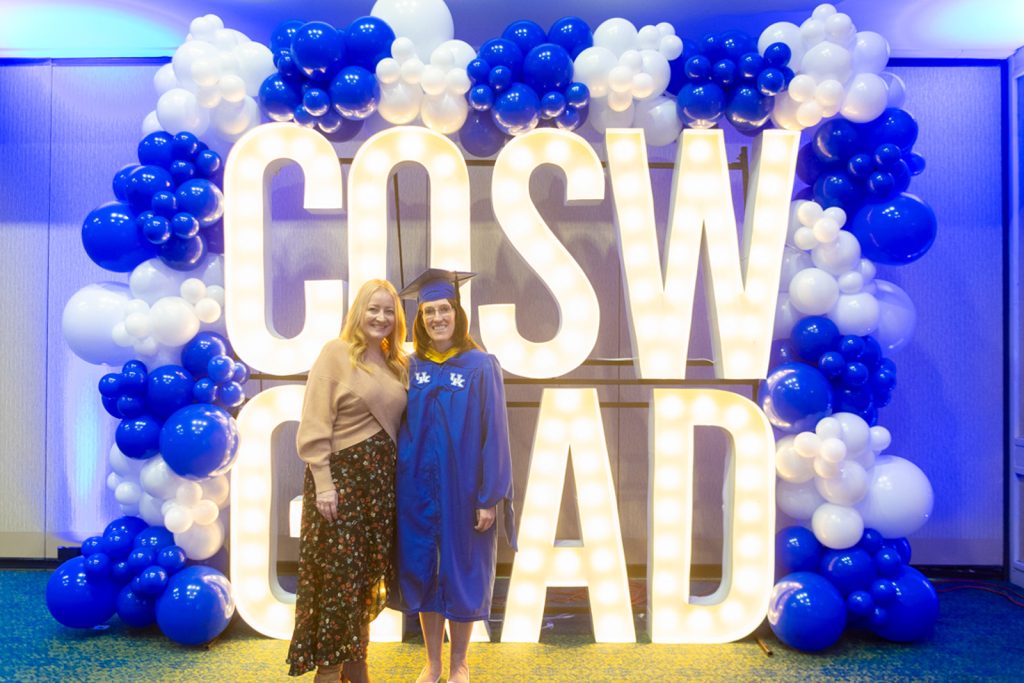
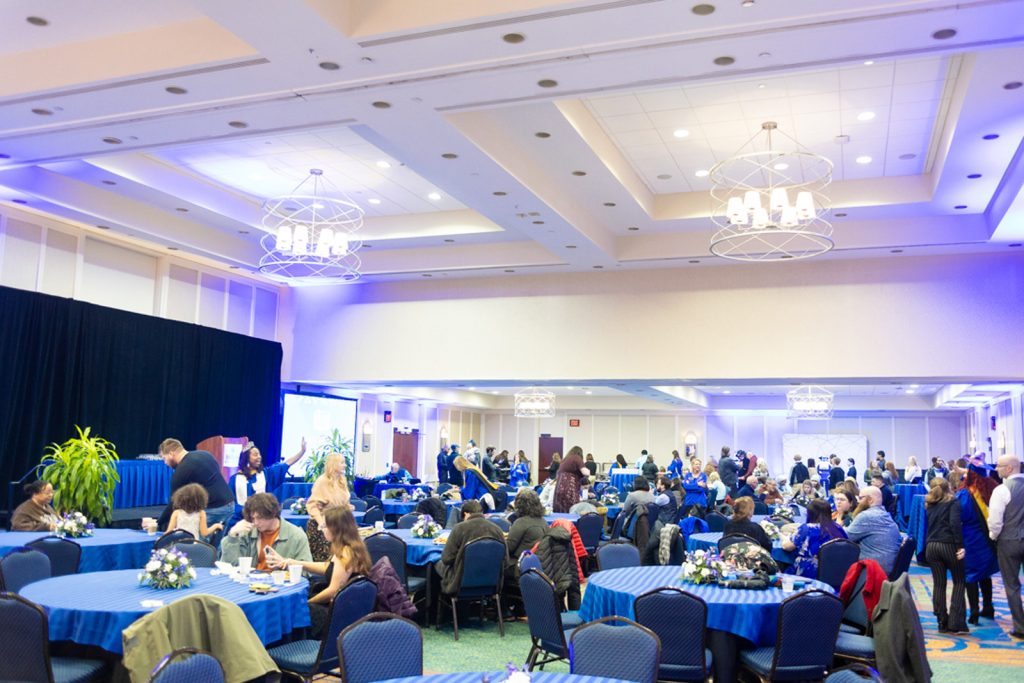
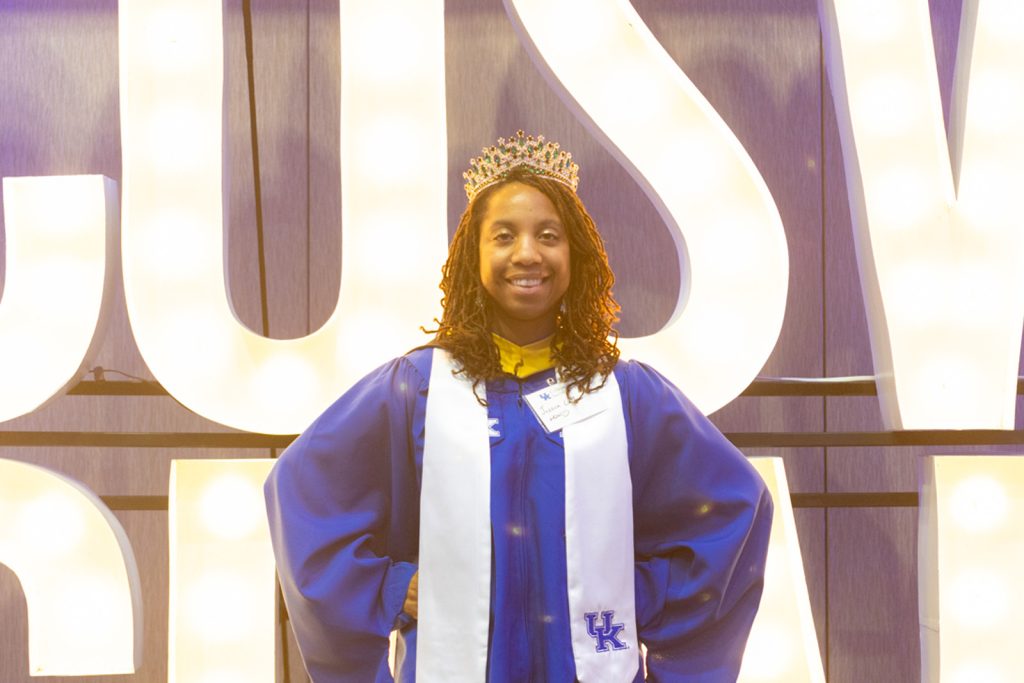
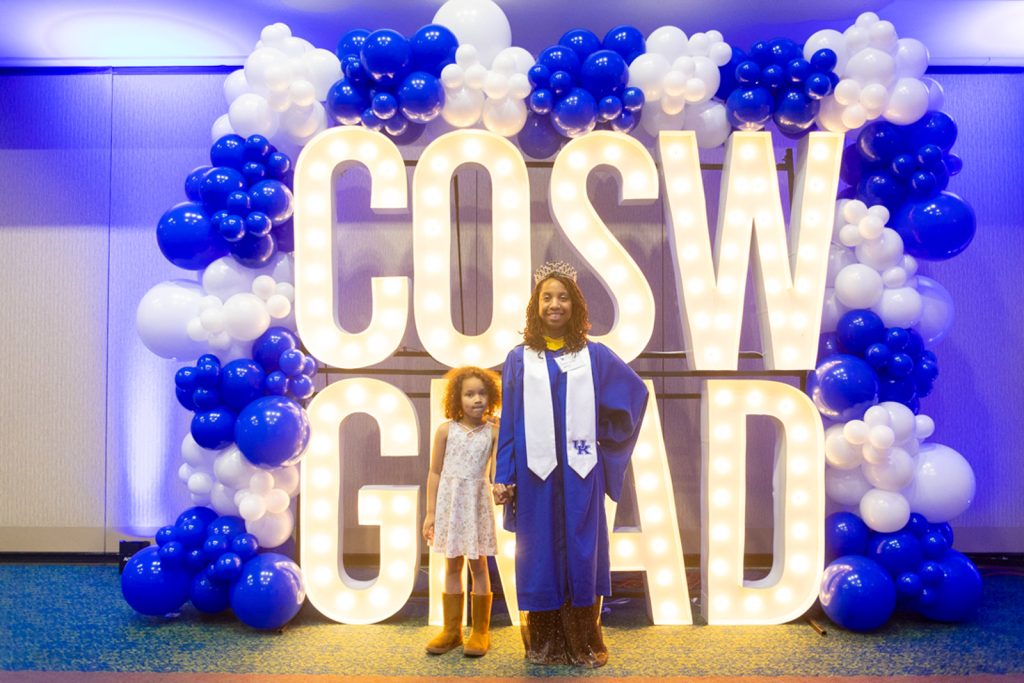
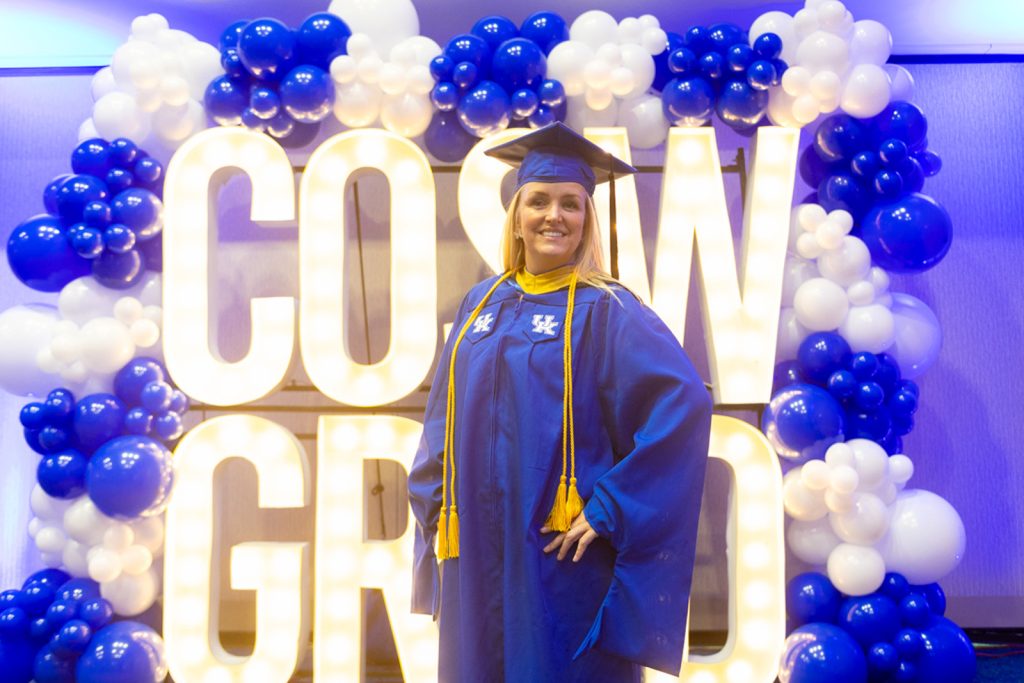
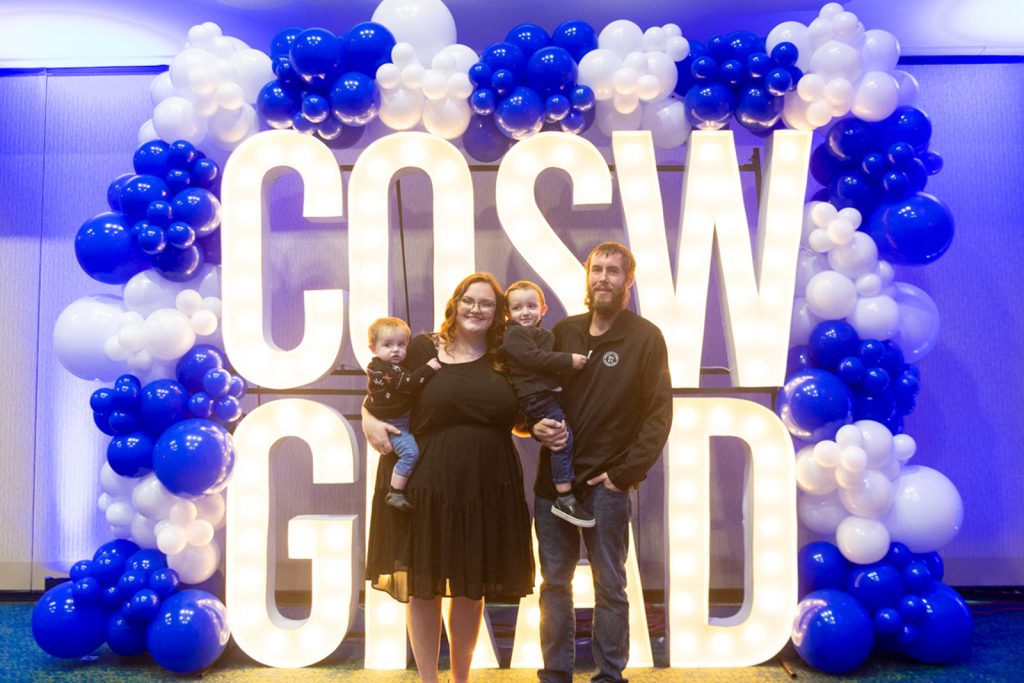
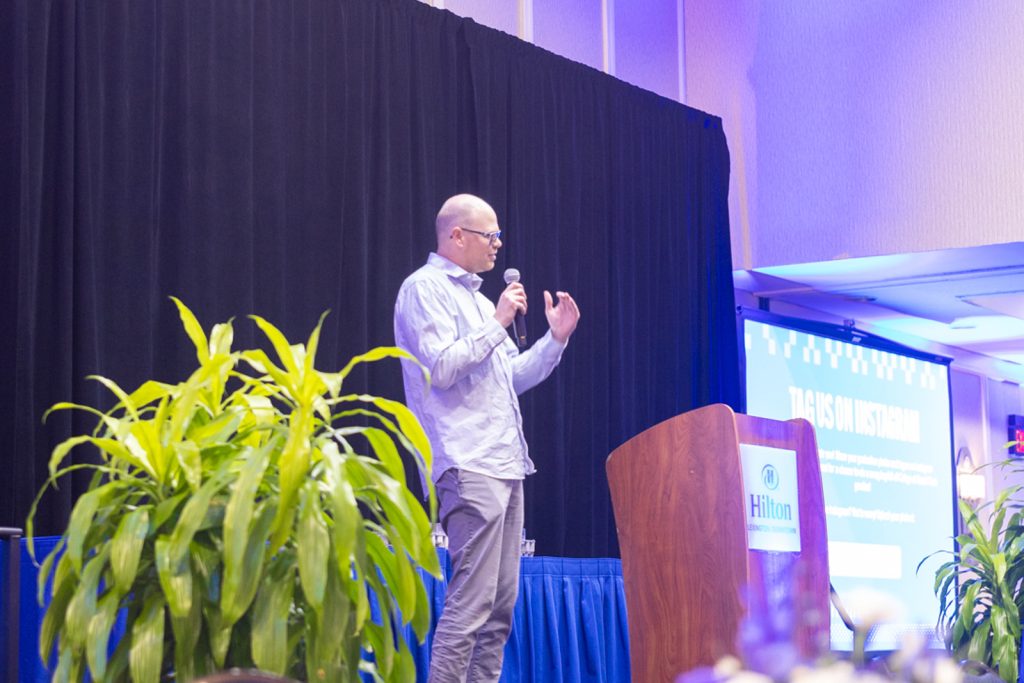
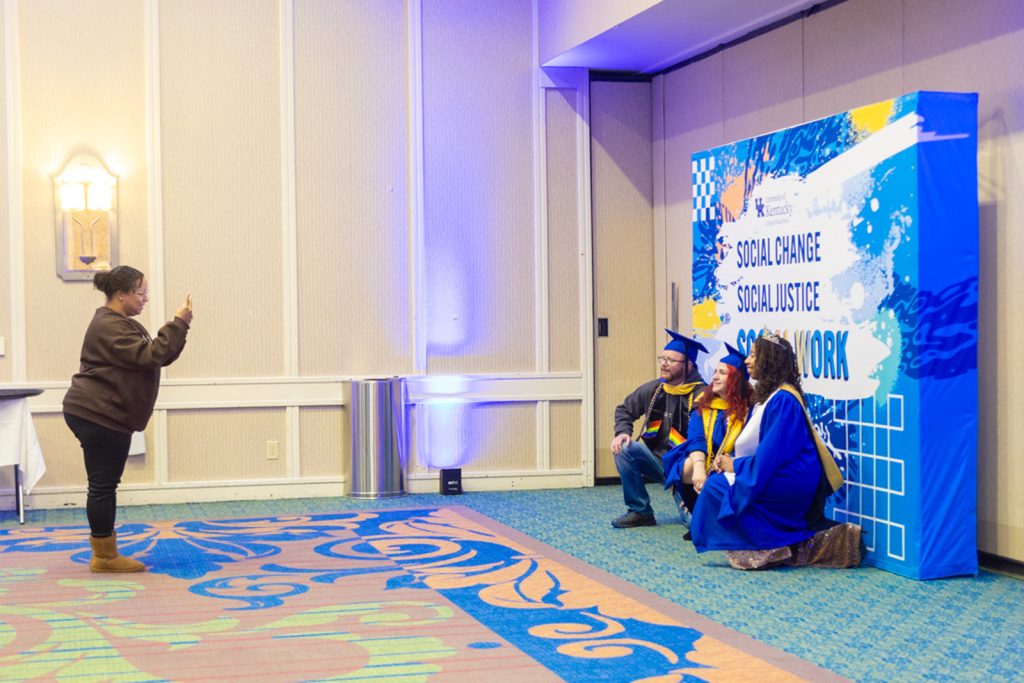
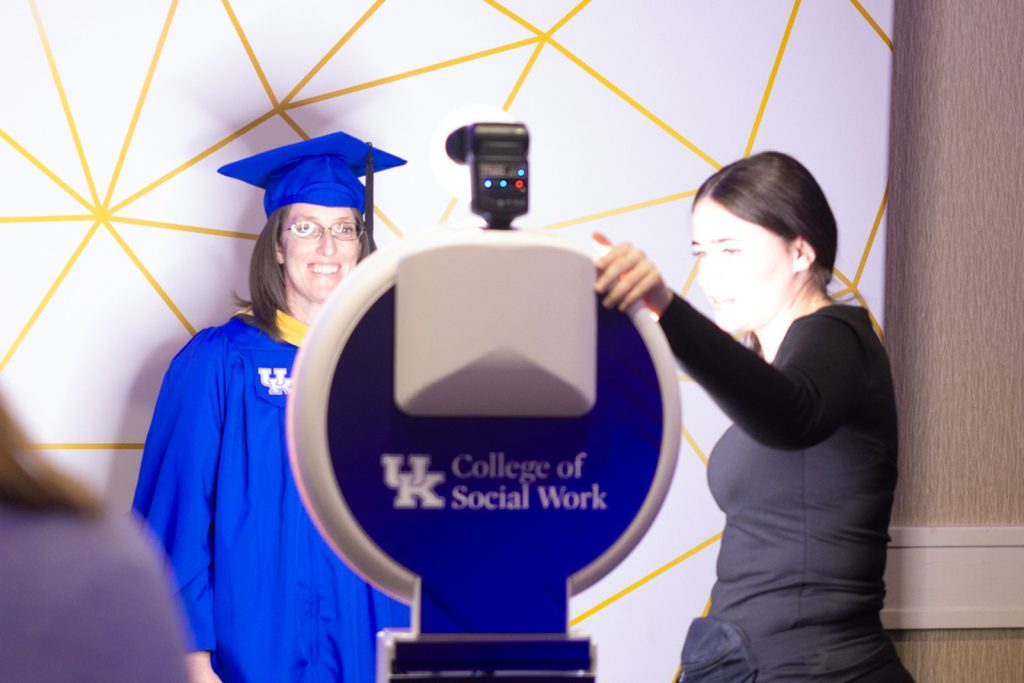
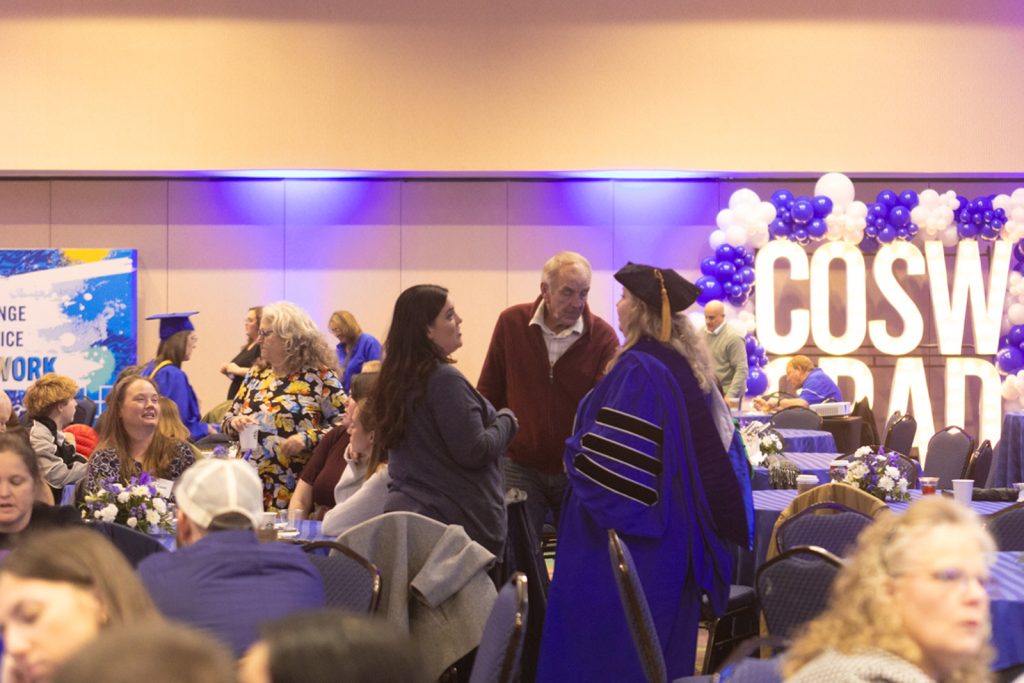
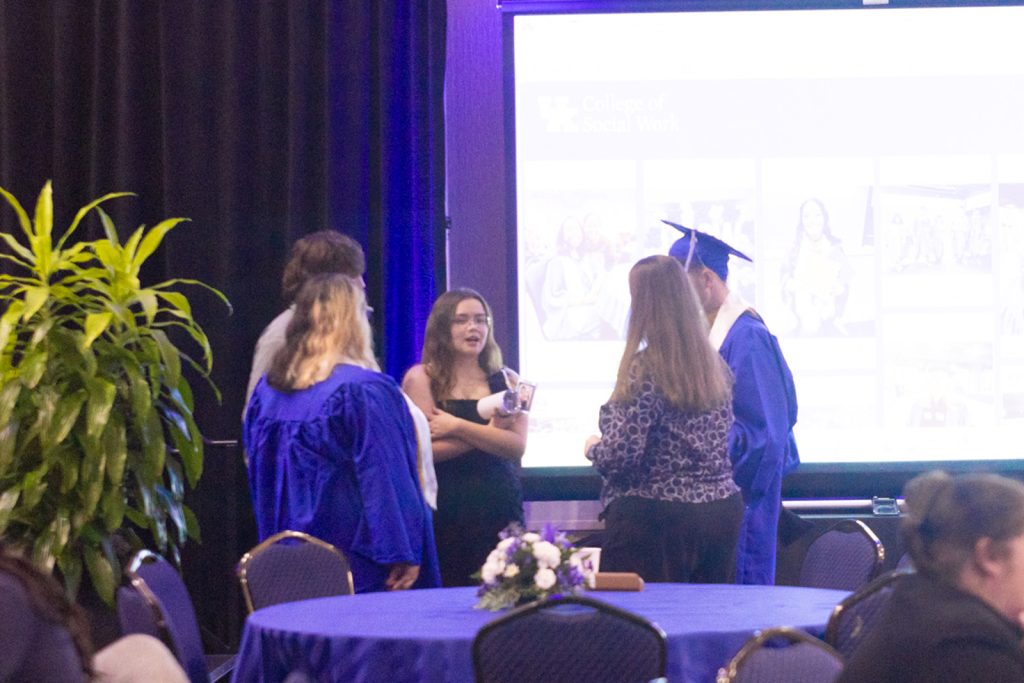
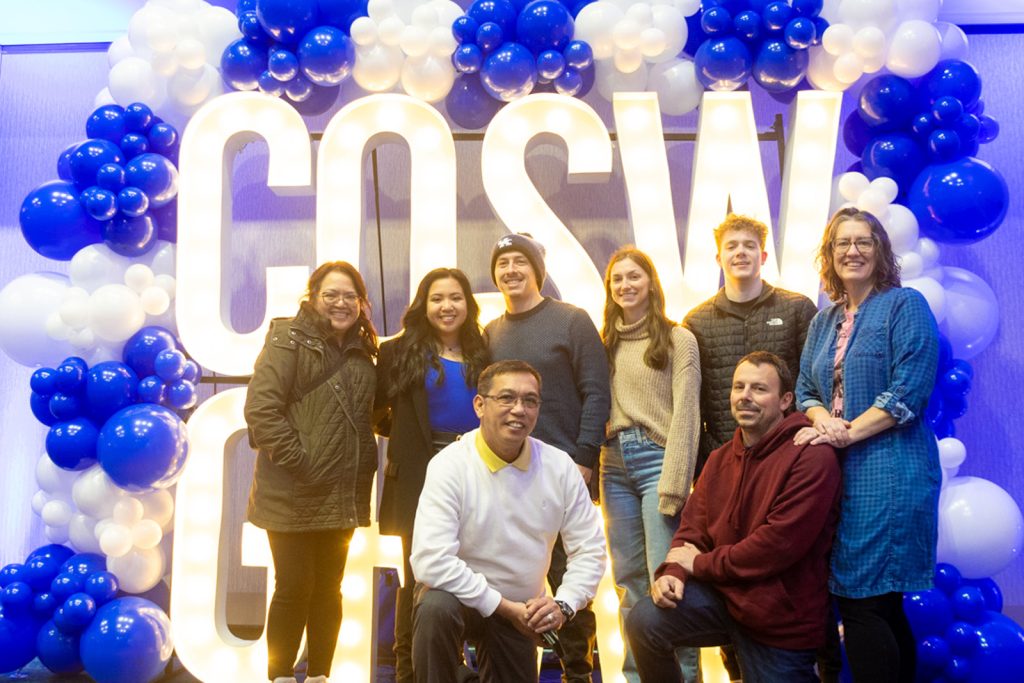
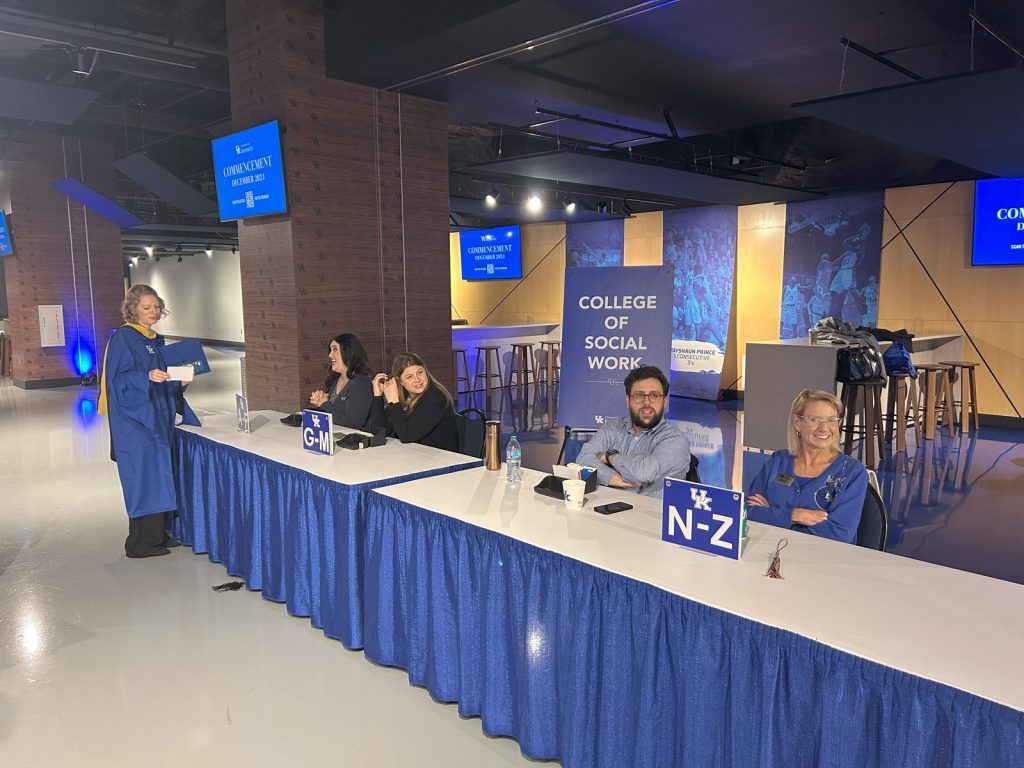
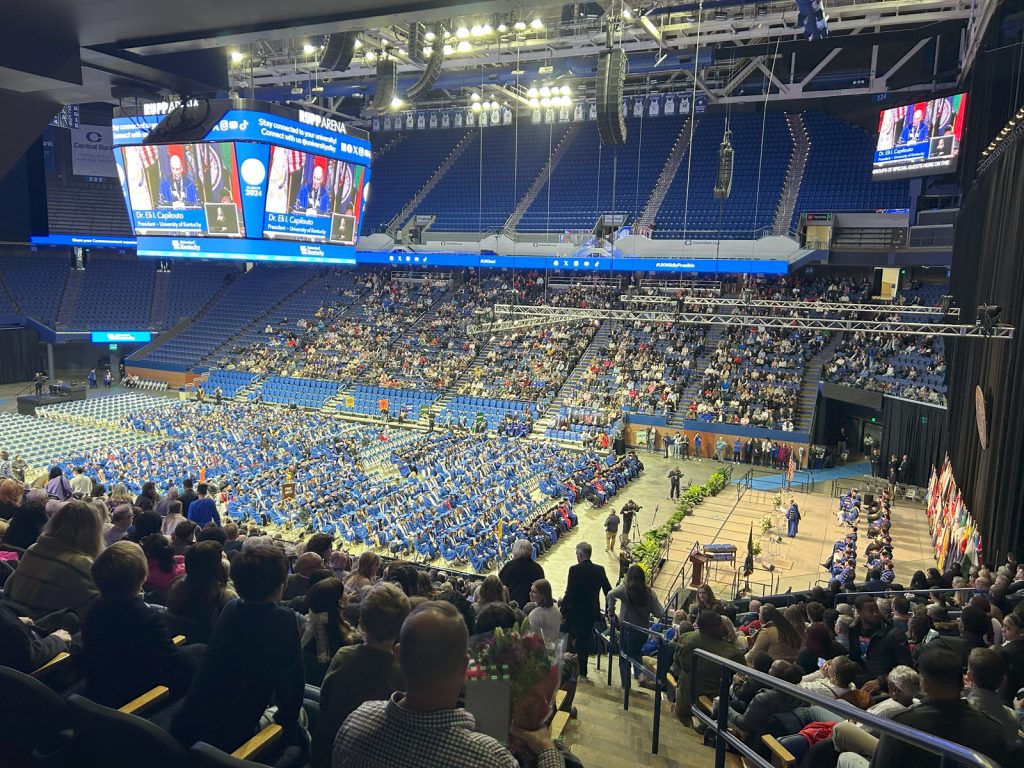
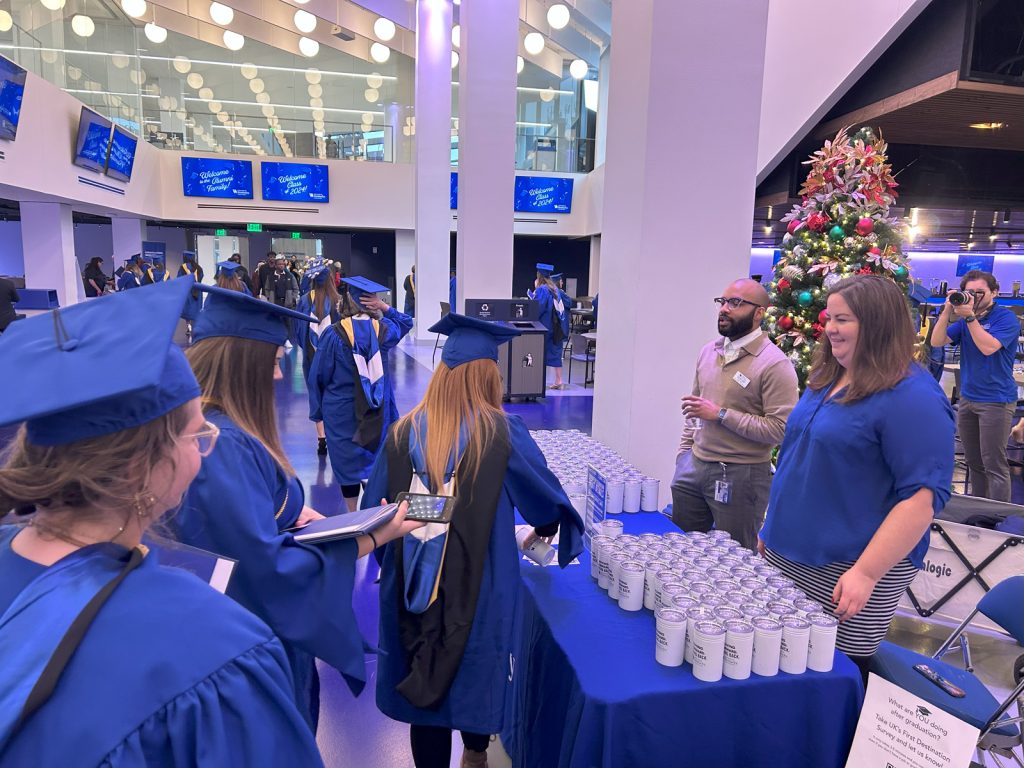
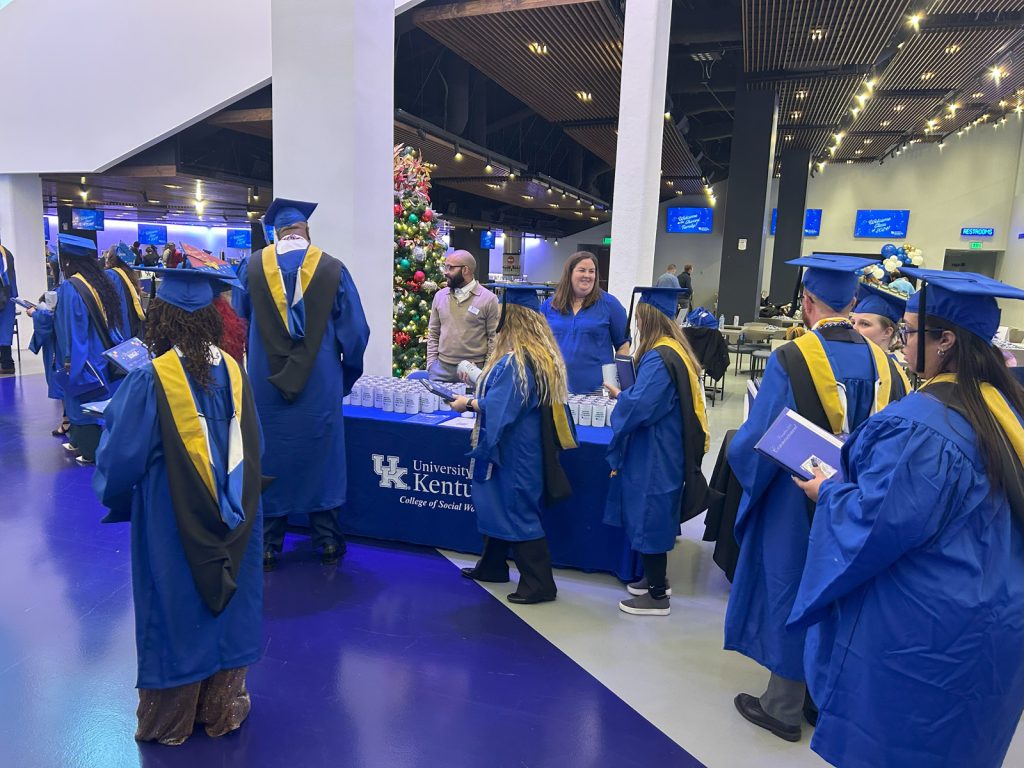
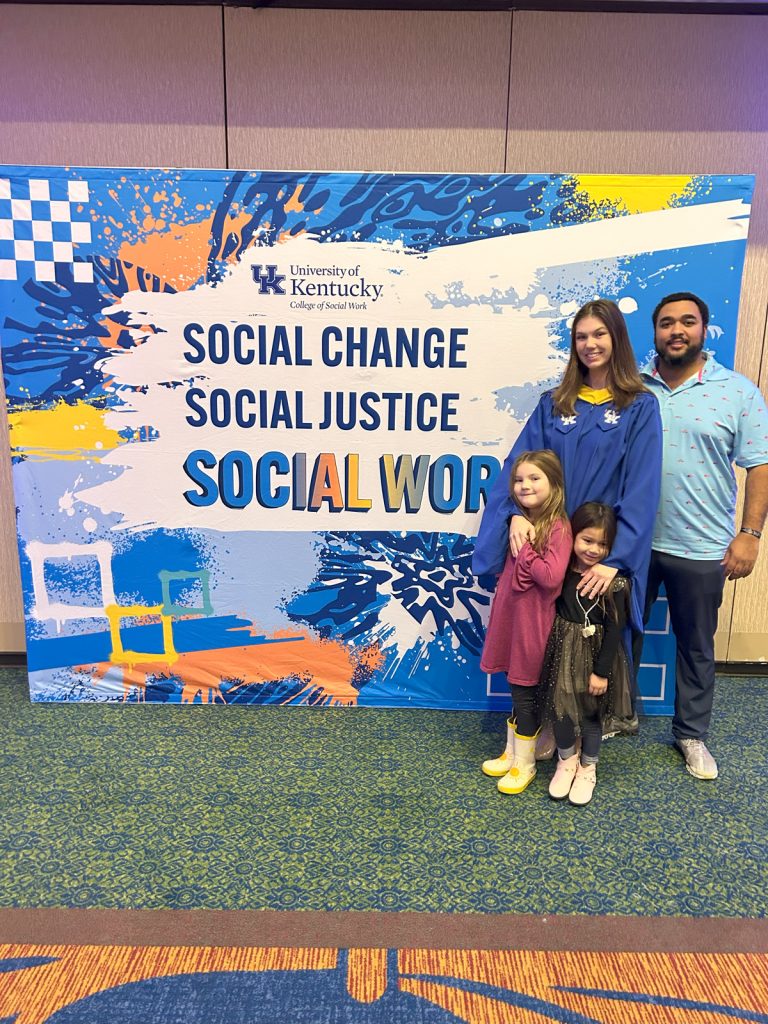
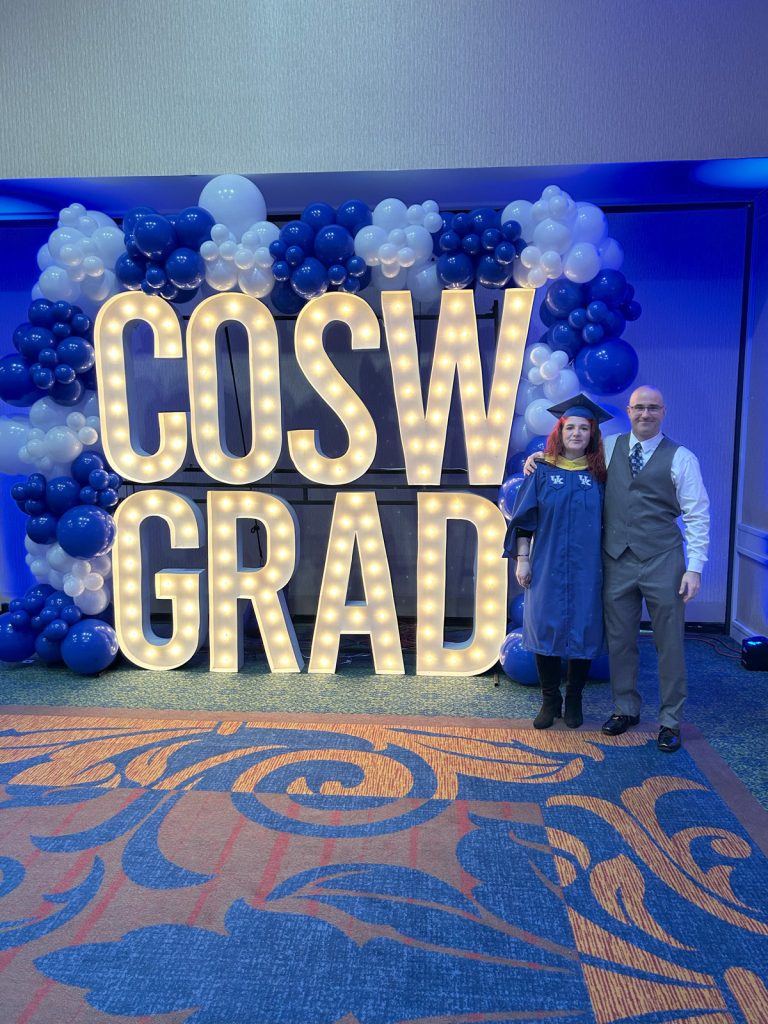
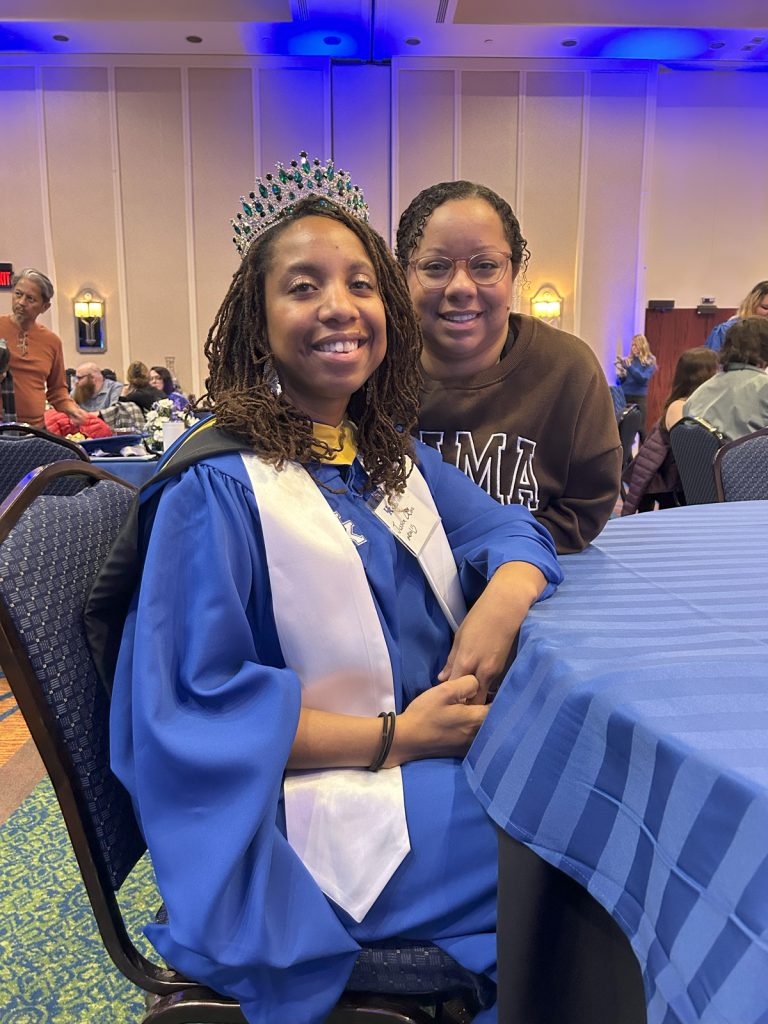
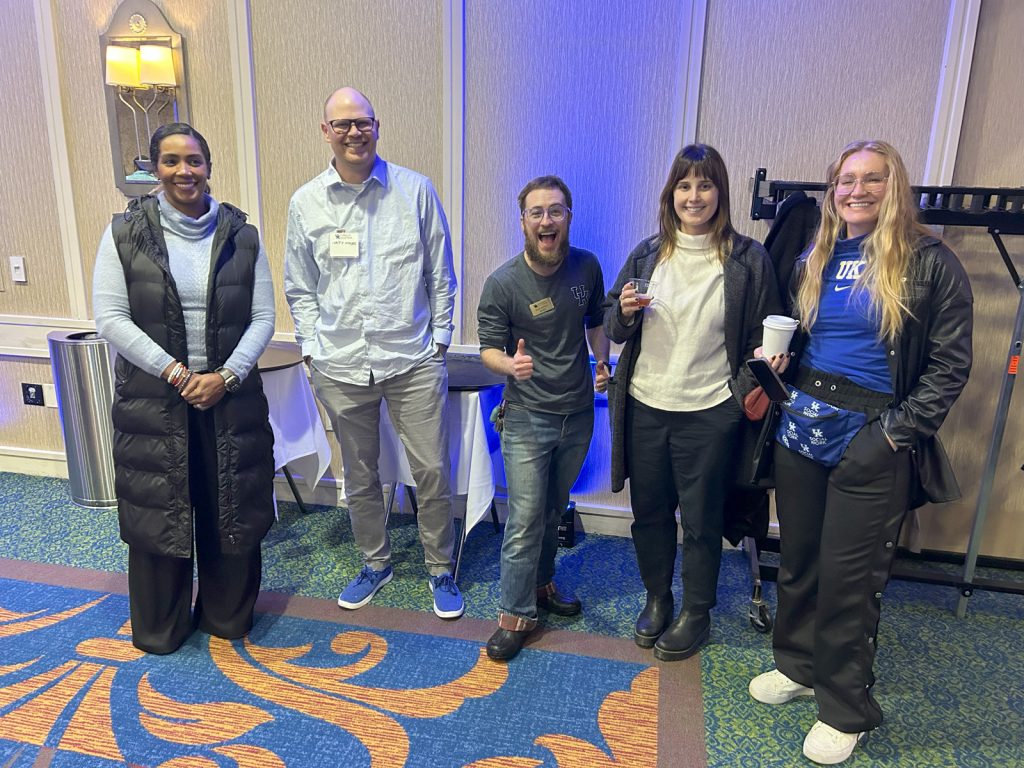
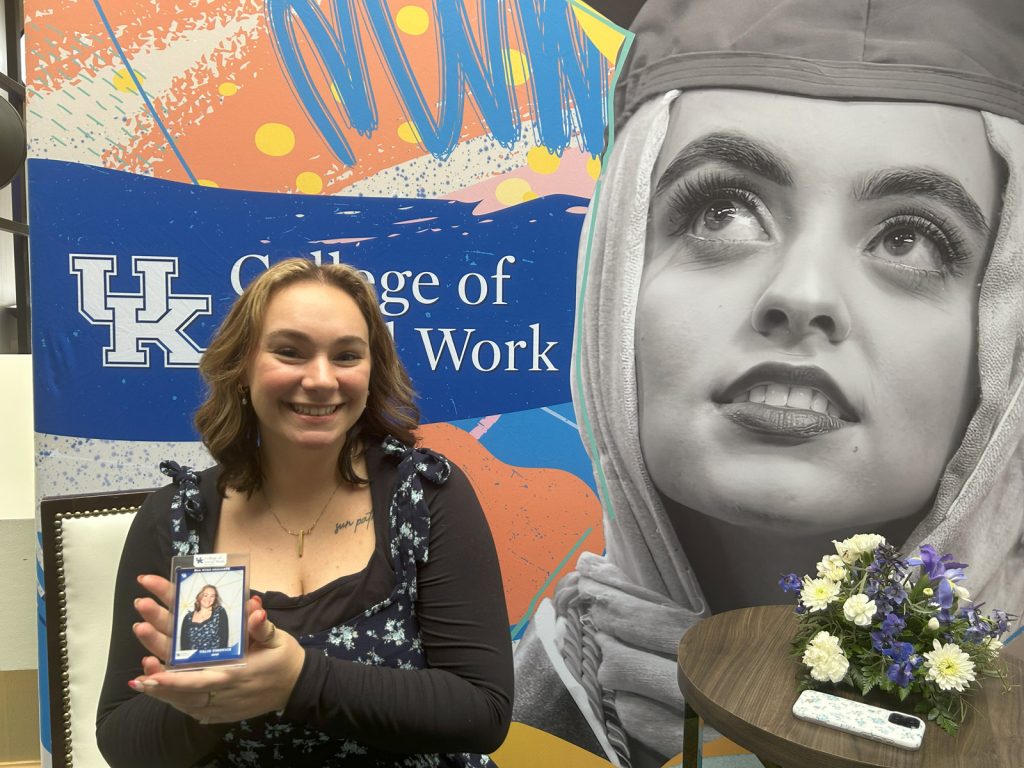
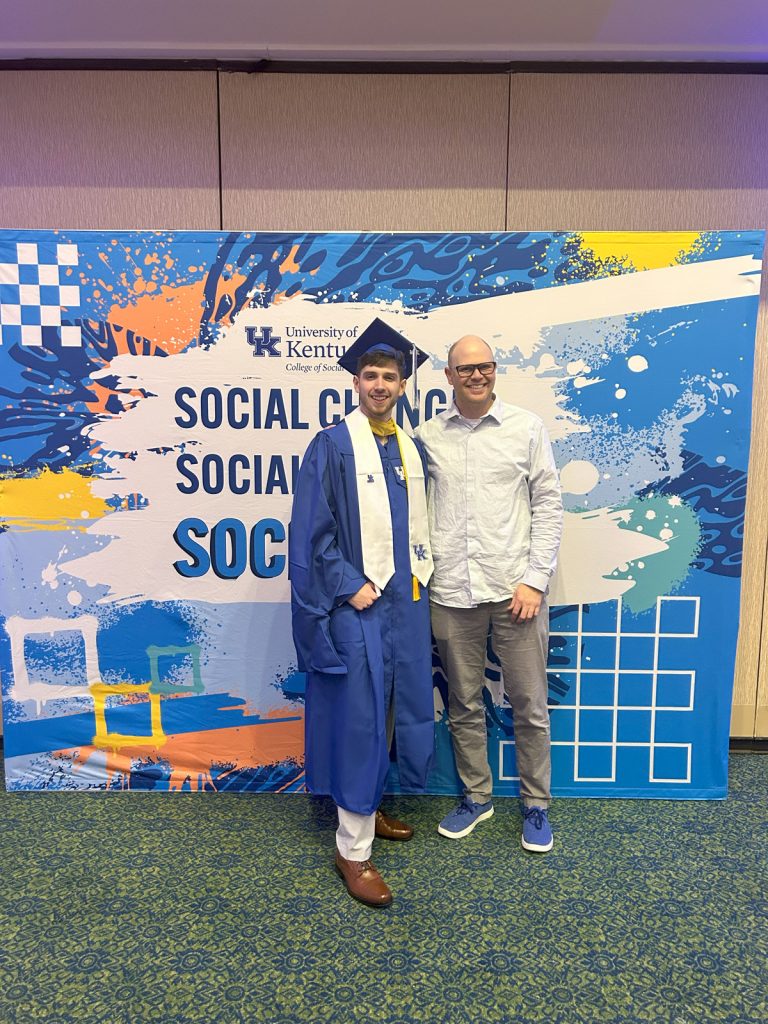
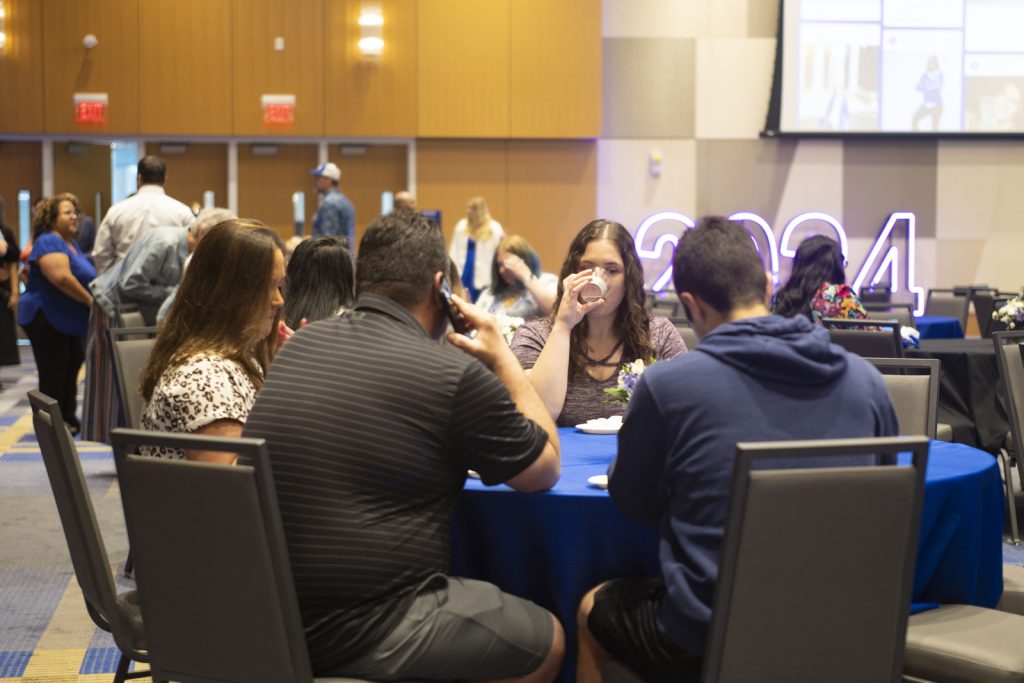
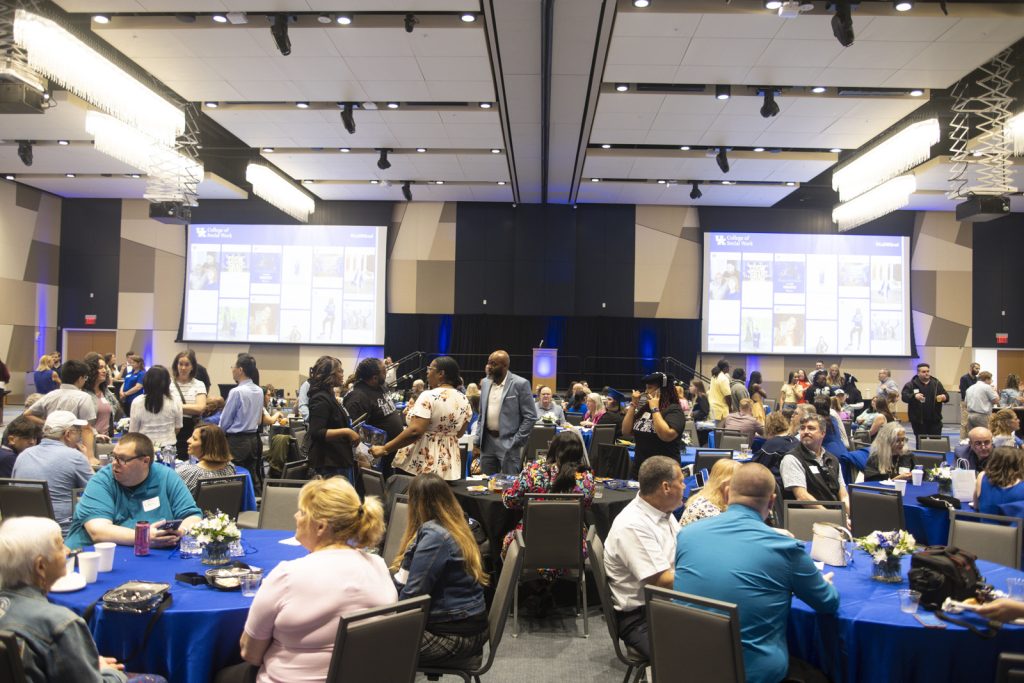
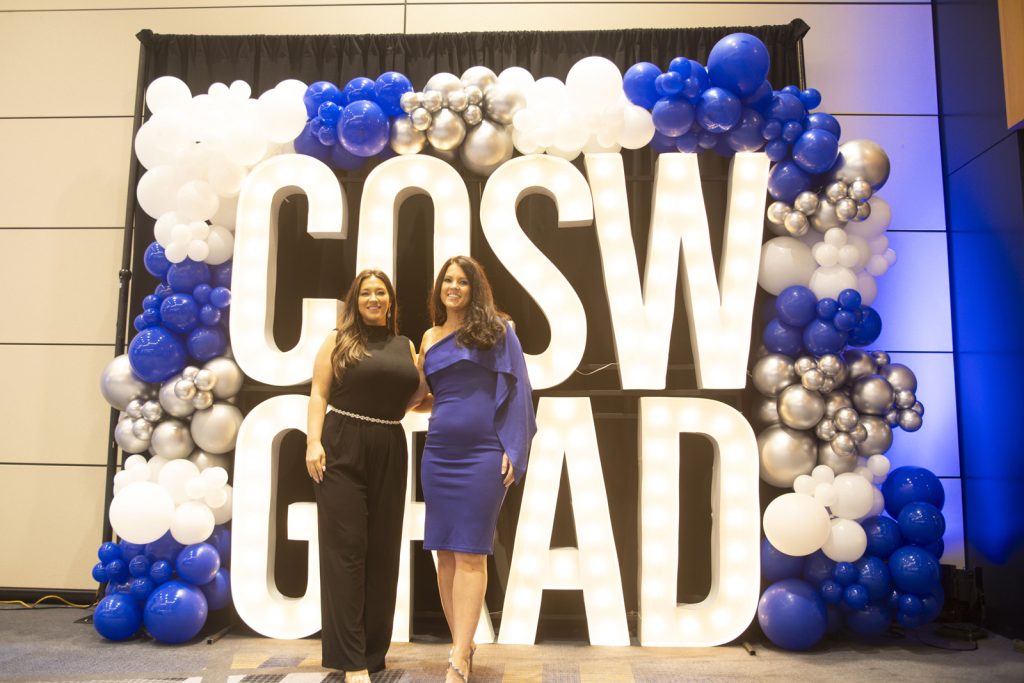
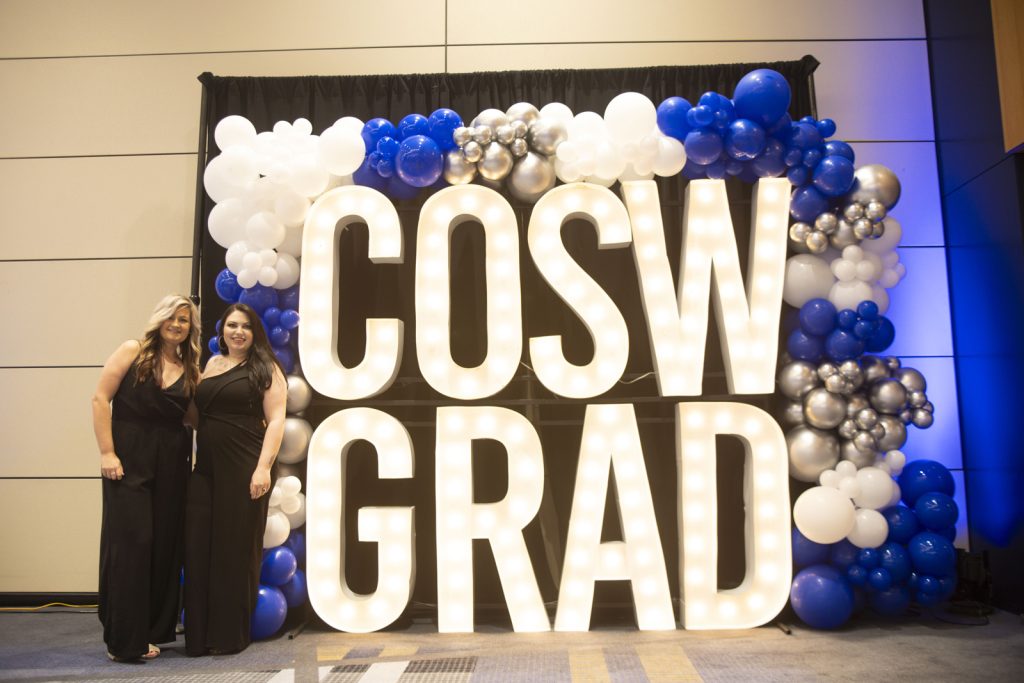
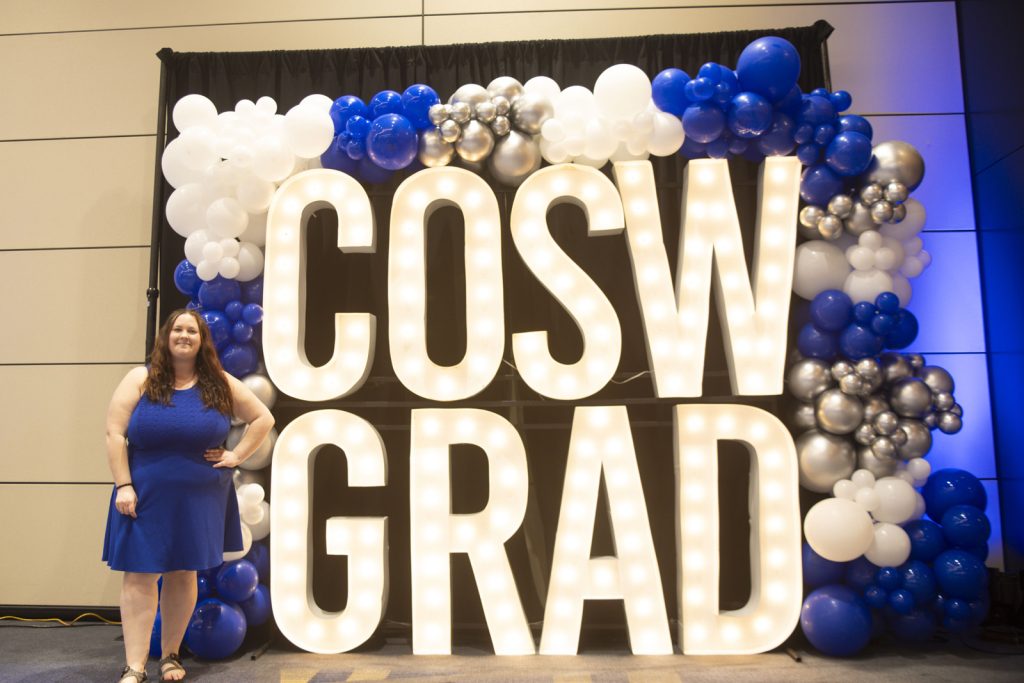
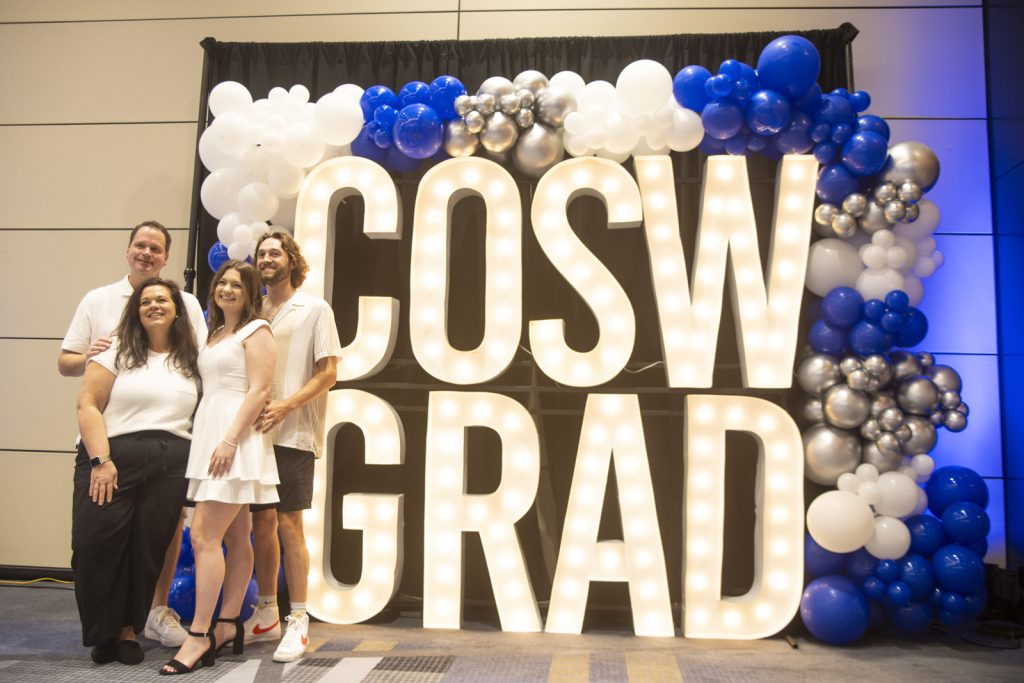
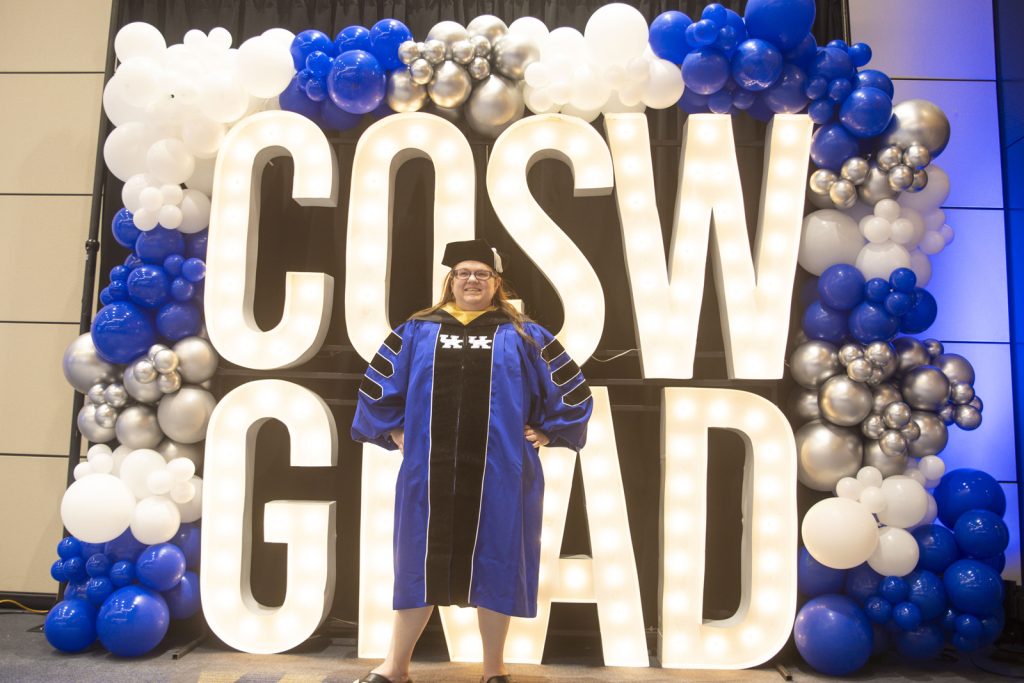
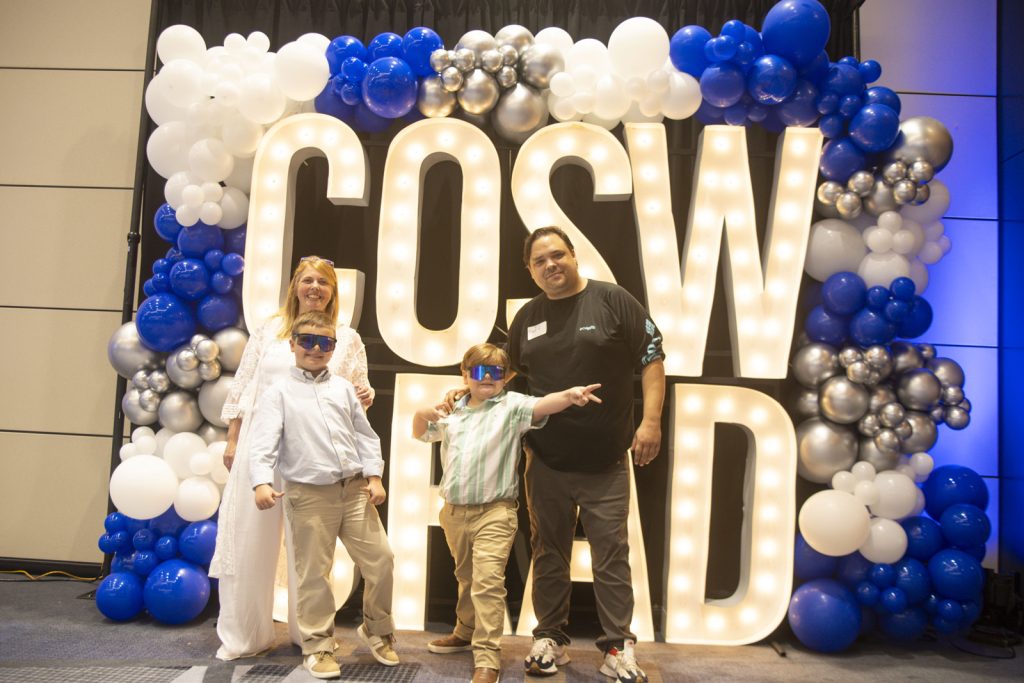
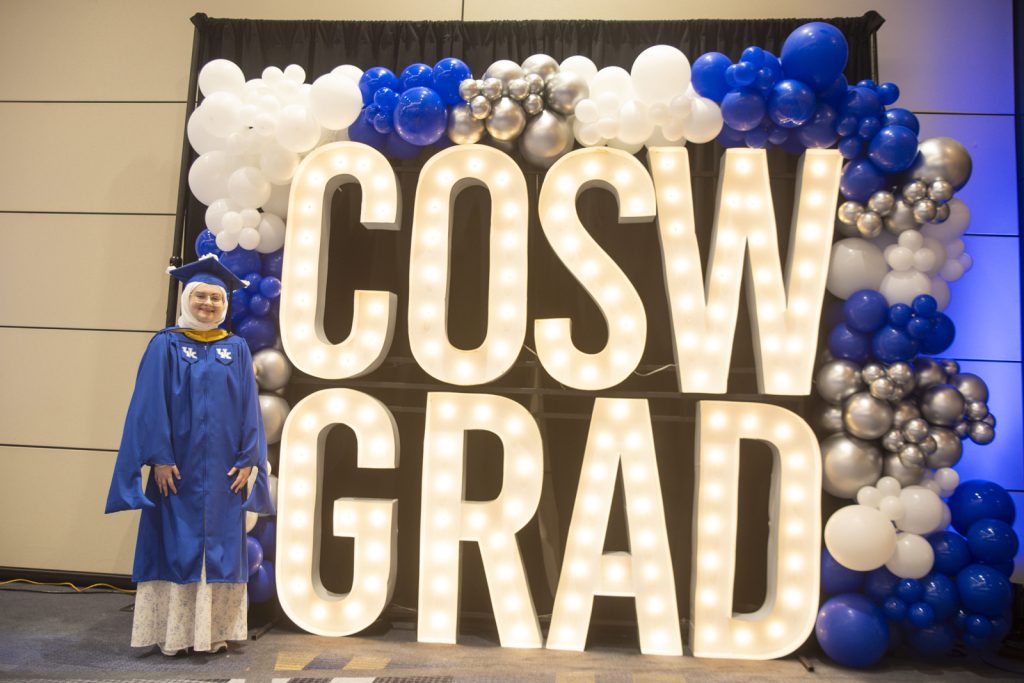
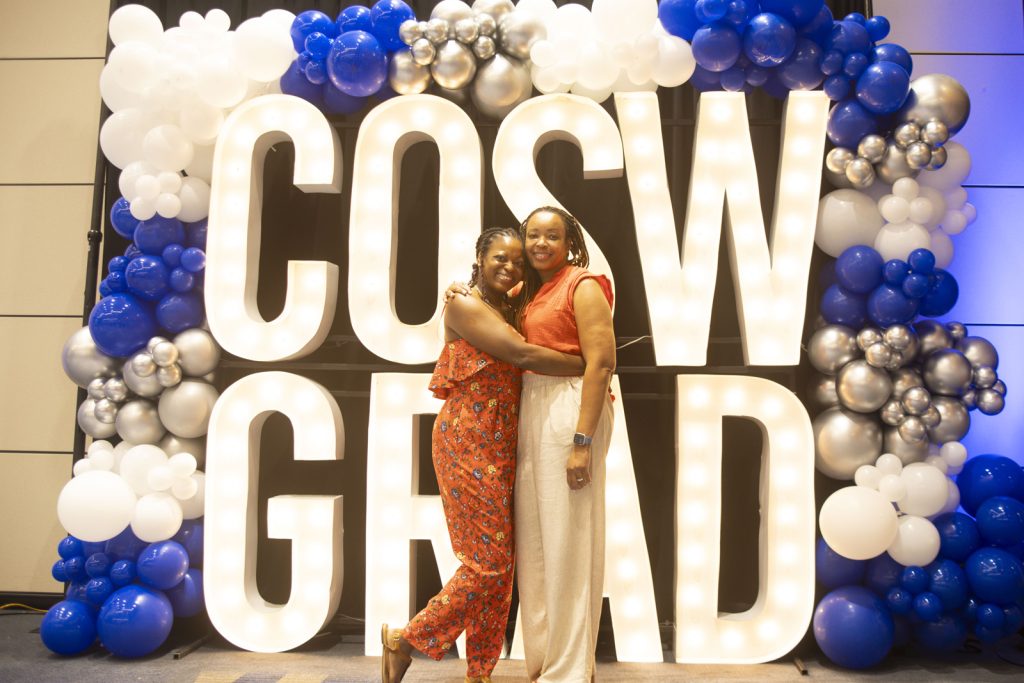
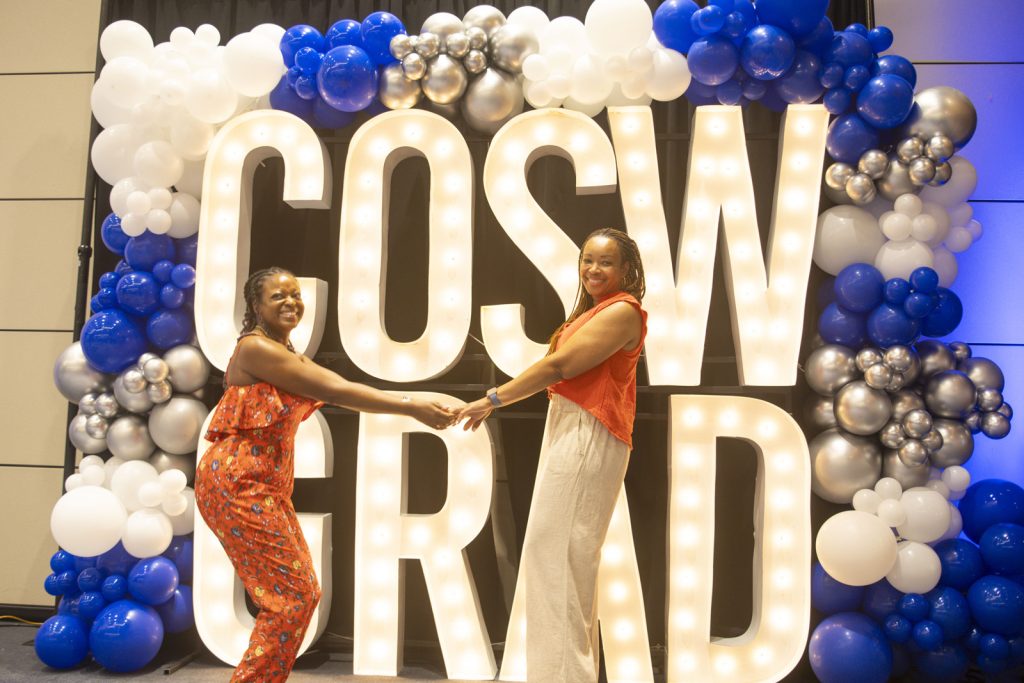
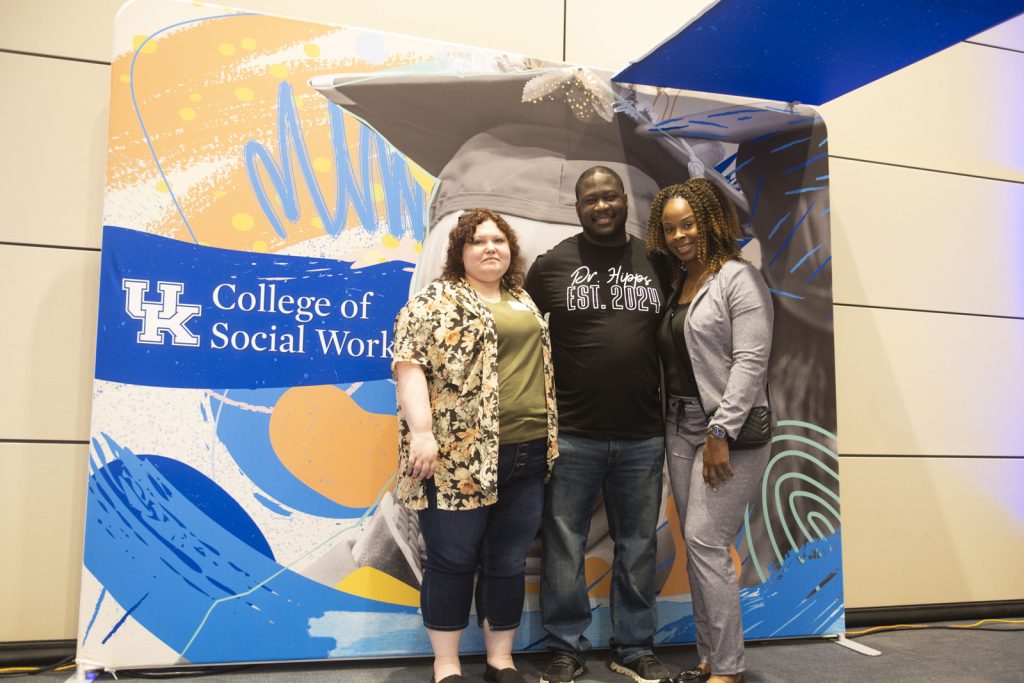
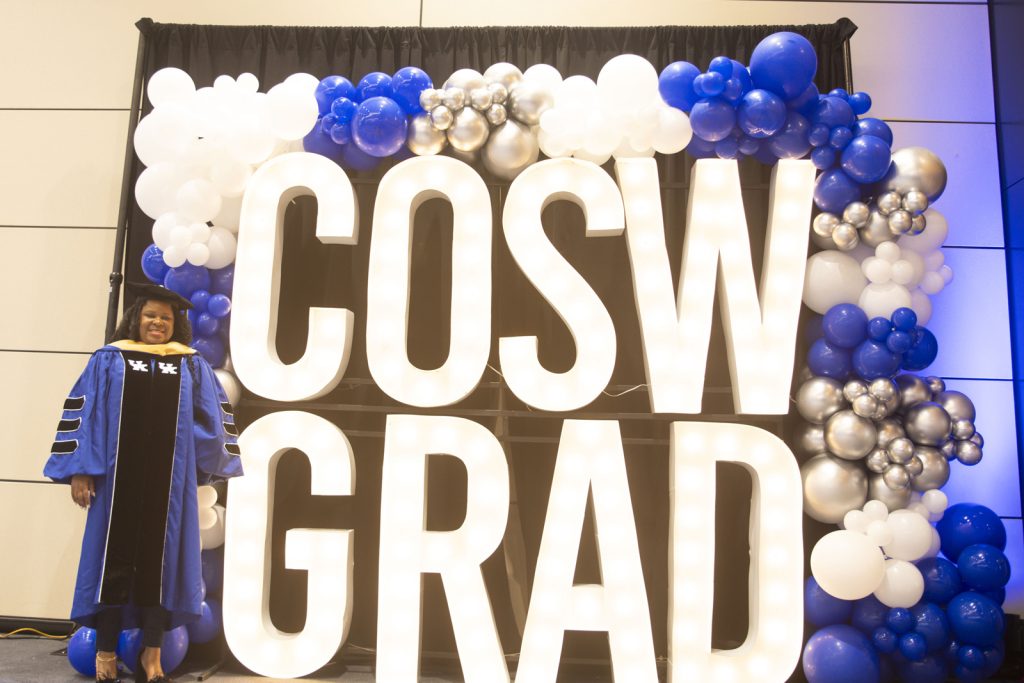
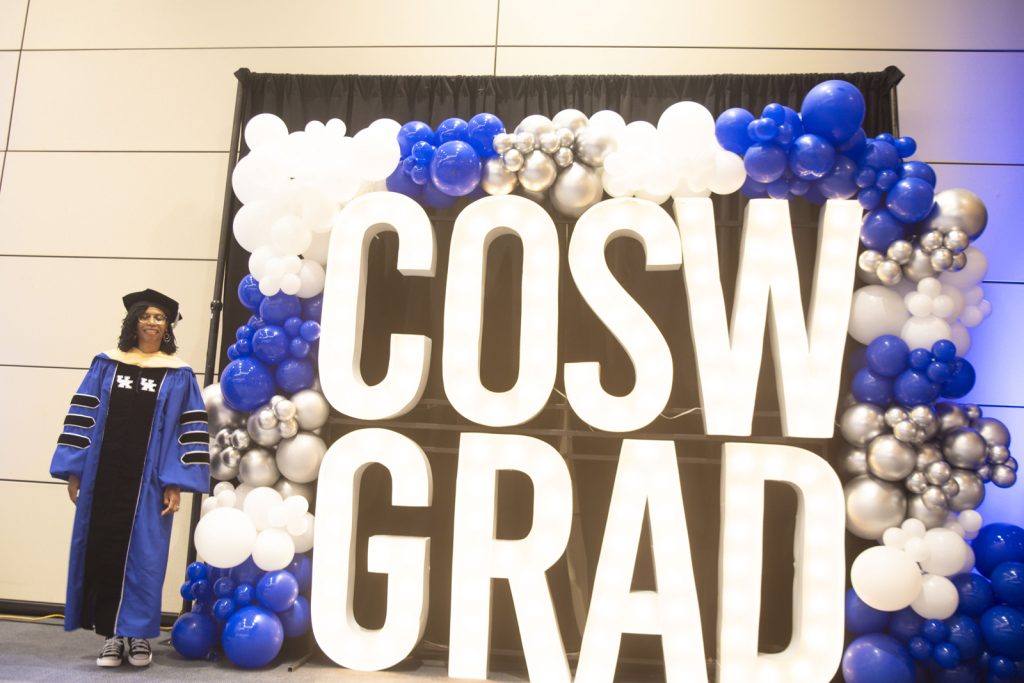
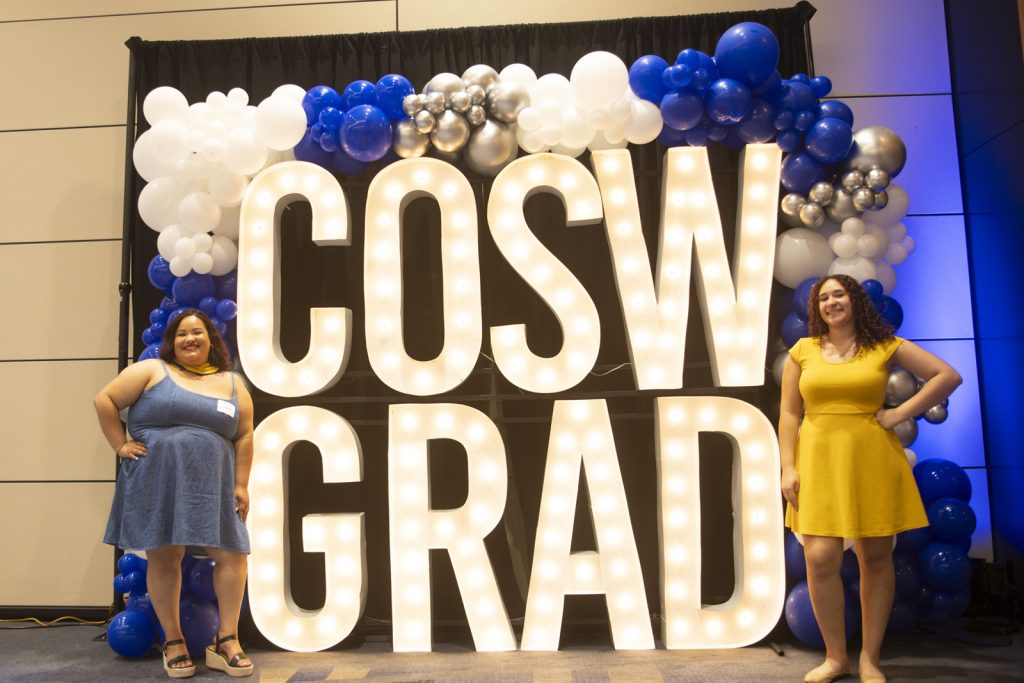
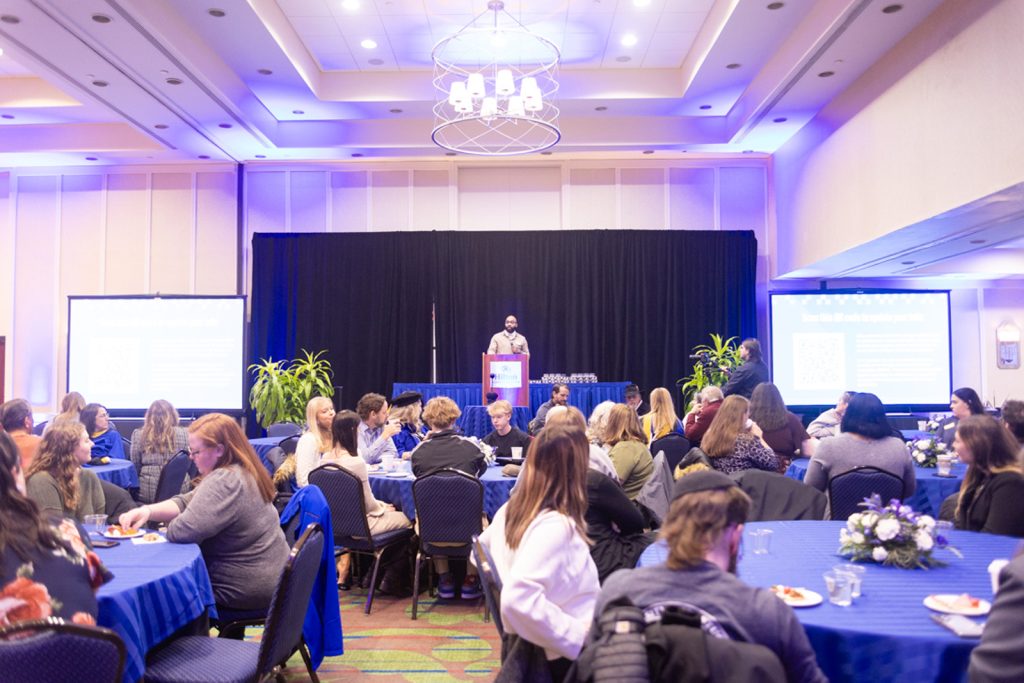
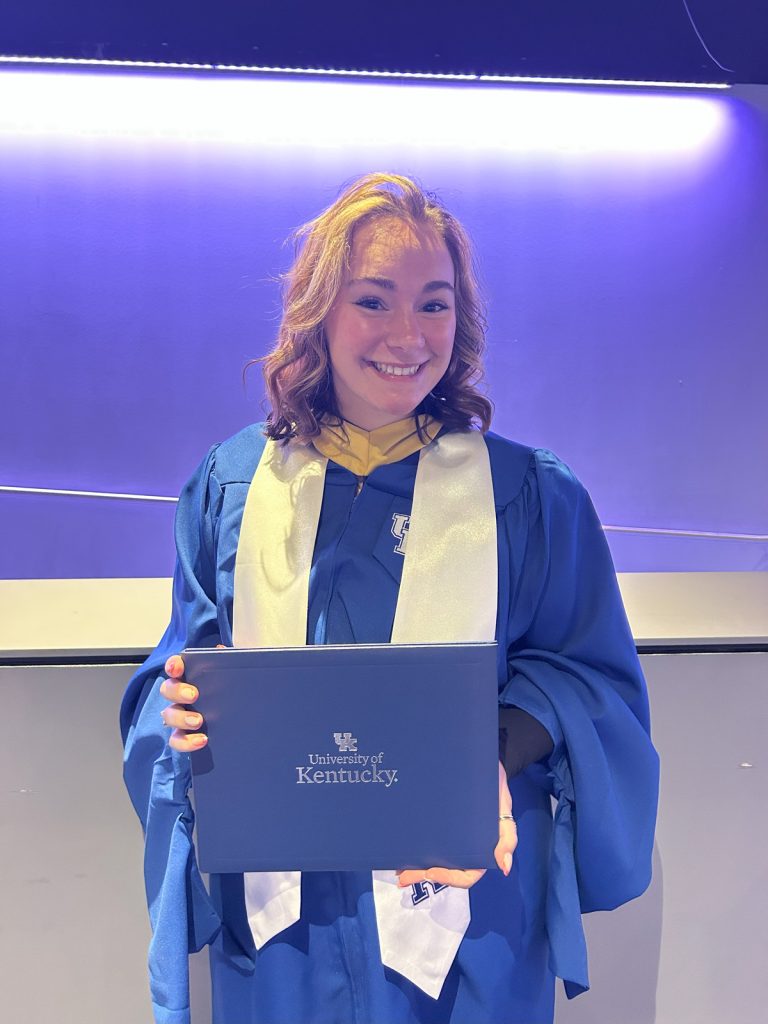
๐Ÿ“ทHighlights: UK College of Social Work Celebrates 2024 December Graduates

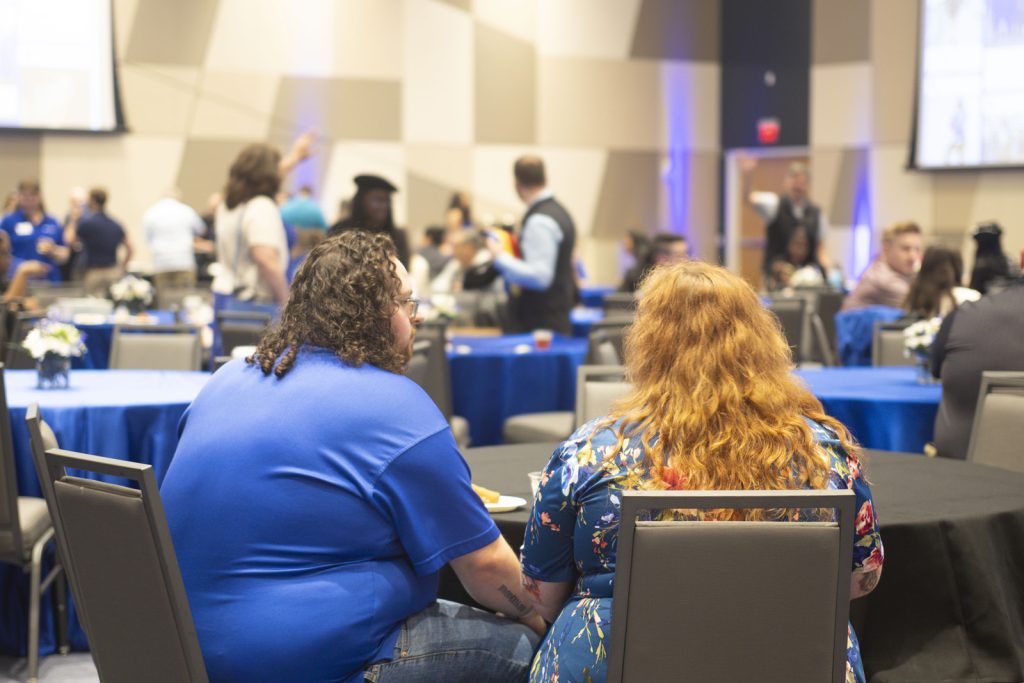
LEXINGTON, Ky. โ€“ The University of Kentucky College of Social Work (CoSW) spent a December morning with its newest batch of graduates at the Hilton Hotel on December 20. Earlier in the day, these students were honored for their academic achievements by crossing the stage at Rupp Arena and presented with their degrees by President Eli Capilouto, along with CoSW faculty.

Photo credit Cassie Payne & Bree Williams.

โ€˜Behind the Blueโ€™: The psychology behind sports rivalries, why we love to loathe the other team

This article and podcast was originally published by Lindsey Piercy and Kody Kiser of UKNow.


What drives the fierce passion of sports rivalries? From loyalty and identity, to the thrill of competition, explore the psychology fueling these intense connections and conflicts by listening to this edition of โ€œBehind the Blue.โ€

LEXINGTON, Ky. (Dec. 13, 2024) โ€” Fans, dressed from head to toe in their teamโ€™s colors, swarm the stadium chanting fight songs and waving banners.

Itโ€™s game day, and the stakes feel monumental.

Sports rivalries are a cornerstone of athletic culture โ€” sparking packed bleachers, passionate debates and unforgettable moments.

But what drives the fervor that fans feel for their team and the disdain for their rivals? Experts suggest the answer lies not just in the scoreboard, but in the human psyche.

According to Matt Moore, associate dean of academic and student affairs in the University of Kentucky College of Social Work (CoSW), and Tarkington Newman, director of CoSW Sport Social Work Research Lab, rivalries are more than competition; theyโ€™re a powerful blend of identity, emotion and instinct.

The CoSW recently announced the launch of the Sport Social Work Collaborative โ€” a partnership between the Alliance of Social Workers in Sports (ASWIS), the Sport Social Work Journal and the collegeโ€™s Sport Social Work Research Lab. The goal is to advance sport social work as a distinct specialization within the social work profession.

The collaborative is focused on leading research, teaching and outreach efforts that seek to promote the healthy development of athletes, coaches and communities. The CoSW is also home of the International Institute on Sport Social Work.

โ€œThe collaborative spans everything from community-based youth development programs, high school sports, to collegiate athletics,โ€ Newman said. โ€œBut ultimately, the lab is committed to maximizing sports and promoting healthy experiences and development. Itโ€™s a place for exploration โ€” understanding what sports are, what they can be, and giving students the opportunity to engage and lead research experiences.โ€

On this edition of โ€œBehind the Blue,โ€ Moore and Newman, who are both part of the collaborative, explore the psychology behind sports rivalries โ€” why we love our teams as fiercely as we loathe the opposition, and why this drama keeps us coming back for more.

Rivalries and social identity

Sports rivalries are deeply rooted in social identity theory, which suggests that people gain self-esteem from being part of a group.

A rival team serves as the โ€œout-group,โ€ creating a clear โ€œus vs. themโ€ dynamic. This contrast strengthens loyalty to oneโ€™s own team and builds a sense of community among fans.

โ€œFans really do come in knowing that this is going to be the big rivalry game for us, and they get themselves to believe it,โ€ Moore explained. โ€œWhether or not you think it should be a rivalry, because of the media attention and how much it means to the community, it becomes a part of the fabric of who you are.โ€

The role of emotions

Rivalries evoke intense emotions that keep fans engaged.

From exhilaration to frustration, the hype is heightened when the opponent is a long-standing rival. And this emotional investment strengthens fansโ€™ connection to their team and the rivalry itself.

โ€œA lot of it hinges on identity โ€” my identity is tied to this sport, this team and the success we have, either as individuals or a collective group,โ€ Moore said. โ€œWhen things go against that identity, it causes reactions that donโ€™t always show our best selves.โ€

โ€œI also think it goes back to relationships,โ€ Newman added. โ€œWhen you trace rivalry games โ€” whether high school, college or professional โ€” it often goes back to relationships between players or coaches, both good and bad.โ€

Geography and history

Many rivalries stem from regional pride and a shared history of fierce competition. Teams located near each other often face-off more frequently, and these repeated matchups can intensify tensions over time.

โ€œObviously, history and culture play a factor in creating rivalries,โ€ Moore continued. โ€œWhen schools or programs have had longstanding success, rivalries naturally form. And that often transcends for years, decades, even, which is a thing of beauty.โ€

The dark side of rivalries

While rivalries can create excitement and camaraderie, they can also escalate into hostility or even violence. Studies show that fans are more likely to exhibit aggressive behavior toward rival teams or their supporters.

Psychologists caution that this aggression often stems from deindividuation โ€” when people in a group setting lose their sense of individual responsibility.

โ€œWe emphasize certain rivalry games so much that we donโ€™t always think about how to respond if things donโ€™t go our way,โ€ Newman said. โ€œAt the end of the day, itโ€™s just a game. Sometimes we let rivalries become too much of our identity, relationships and emphasis.โ€

โ€œThereโ€™s great research on how spectator behavior impacts the well-being of athletes,โ€ Moore added. โ€œItโ€™s scary to think that athletes and coaches are subjected to harmful behaviors. Fans get fired up, but we need to remember that behind the jerseys and helmets are real people โ€” humans with struggles beyond sports. While athletes have incredible talents, they still deal with the same human challenges as anyone else.โ€

Why we keep coming back

Despite the emotional highs and lows, fans return to rivalry games season after season. Rivalries offer a sense of drama, continuity, and identity that few other experiences can match.

As fans gear up for their next big rivalry game, itโ€™s worth remembering that the intensity they feel is rooted in a mix of psychology, culture, and human nature. So, whether itโ€™s cheering for the home team or booing the rival, the drama of competition continues to captivate us all.

โ€œSports are powerful because they have a shared language,โ€ Newman said. โ€œYou can go to another country, not speak the language, but if thereโ€™s a soccer ball on the ground, you both know what to do with it. Itโ€™s an opportunity to engage with each other through this shared experience.โ€

โ€œSport is one of the few things that can unite mass groups of individuals,โ€ Moore continued. โ€œSport can be a driving force for communities impacted by disaster or political strife โ€” bringing people together. Ultimately, itโ€™s a common language that transcends boundaries and borders.โ€

You can listen to the full interview with Moore and Newman by clicking the play button above.

Celebrating National Adoption Month by Supporting Families Every Step of the Way

By: Emily Nichols, Adoption Support for Kentucky Program Coordinator

Each November, we celebrate National Adoption Monthโ€”a time to raise awareness, honor adoptive families, and most importantly, recognize the children who are still waiting for their forever homes. As the Program Coordinator for Adoption Support for Kentucky (ASK), I have the privilege of working with foster and adoptive families across the Commonwealth, witnessing their joys, challenges, and extraordinary resilience. This month, I invite you to join us in celebrating adoption while recognizing the essential need for ongoing support and understanding for families as they navigate this life-changing journey.

Adoption is Just the Beginning

Adoption is often viewed as the โ€œhappy endingโ€ to a childโ€™s story of loss, but the truth is that adoption is just the beginning of a new chapter, one that can be both rewarding and complex. Behind the smiles and celebrations, adoptive families often face unique challenges related to trauma, attachment, and identity that require continued care and understanding.

At ASK, we are here to walk alongside these families, offering guidance, resources, and peer-to-peer support. Our mission is simple but powerful: to strengthen families and reduce caregiver stress so that every adopted child has the opportunity to thrive in a stable, loving environment. This is particularly critical for children who have experienced trauma, multiple placements, or challenges associated with foster care.

The Power of Peer Support

Our virtual support groups are one of the most valuable resources we offer through ASK. These are safe spaces where foster and adoptive parents can share their experiences, seek advice, and find reassurance from those who have walked a similar path. Whether itโ€™s navigating attachment issues, understanding trauma-informed care, or handling the complexities of reunification, these conversations are vital for helping parents feel less alone and more empowered.

We know that when caregivers are supported, children’s outcomes improve. Children who have been through the foster care system often carry invisible wounds, and itโ€™s crucial that families are equipped with the tools to heal those wounds with compassion, patience, and understanding.

Addressing Challenges with Compassion

One of the often-overlooked realities of adoption is the long-term need for mental health support. Many children adopted from foster care have experienced significant trauma, which can manifest in behavioral or emotional challenges years after the adoption is finalized. This is why ongoing training and support for adoptive parents are so critical. At ASK, we provide specialized training on topics like trauma-informed care and dealing with attachment issues, helping families understand and respond to their childrenโ€™s needs in a way that promotes healing and growth.

We also focus on trauma-sensitive parenting and positive discipline techniques to help families create a nurturing environment that acknowledges their child’s past while building a bright future. Supporting adoptive families isn’t a one-size-fits-all approach, and that’s why ASKโ€™s programming is designed to meet families where they are, offering practical tools that make a real difference in everyday life.

How the Community Can Help

This National Adoption Month, we encourage everyone – whether you are a foster or adoptive parent, a professional working with families, or simply a concerned community member – to reflect on how we can collectively support these families. It may be by volunteering, mentoring, or simply sharing resources and information with those in need. Communities that rally around adoptive families help create a network of support that strengthens the entire adoption journey, from placement to post-adoption life.

We believe in the power of community. Our network of caregivers, professionals, and supporters have grown strong because of one shared goal: to ensure every child finds their forever family and receives the support they need to thrive. This National Adoption Month lets us celebrate adoption’s beauty and commit ourselves to being the village these families need.

A Call to Action

If youโ€™re an adoptive or foster parent or someone who is considering opening your heart and home to a child in need, I encourage you to reach out to ASK. Our team is here to provide the support, training, and connections you need to succeed. And to our broader community, please remember that adoption doesn’t end with the court finalization. There is always a need for compassionate neighbors, friends, and advocates to walk alongside families as they navigate the lifelong journey of adoption.

This November, letโ€™s celebrate the incredible love and commitment that adoption represents while remembering that adoption is just the beginning. Together, we can ensure that no family walks this path alone.

National Adoption Month: Recognize the importance of familial bonds

Every child, no matter the context, needs lasting familial connections. Having been in out-of-home care myself, I can personally attest to this need.

As a youth, I was placed in out of home care as a result of the death of my mother and my fatherโ€™s inability to beat his addiction to substances. My sisters and I spent several years shuffled from place to place before being taken in by an aunt and uncle. ย 

I was 16.

For my sisters and me, the stability provided by our โ€œforever homeโ€ made all the difference. The sense of safety, allowed us to flourish. No more neglect. No more abuse. Frankly, if not for their willingness to open their home and their hearts, Iโ€™m not sure where I would be.   

Indeed, family matters.

Since 1995, November has been marked as a time of deep introspect about adoption. This year, Adoption Awareness Month is focused on creating and strengthening pathways for young people to have lasting bonds and connections.

Now, as has always been in the case, we must take stock of this focus.    

In Kentucky, there are over 8,000 youths in foster care. Of those, approximately one-third are waiting to be adopted. Whilst every effort is made to find adoptive homes for these youth, the unfortunate reality is that for many them, particularly teens, the comfort of a safe, stable forever family will never be actualized.

Research shows that adoption can be profoundly impactful for youth in foster care. Studies illustrate that adopted youth tend to experience higher levels of emotional and physical wellness, financial stability, and fewer instances of trauma, when compared to their non-adopted counterparts. As well, families who adopt often experience a sense of fulfillment, love, and immense gratitude.  

Indeed, family matters.

Unfortunately, research also shows that teens are seldom adopted. Though younger children are often adopted relatively quickly, adoption rates drastically decrease for older youth. Nationally, while almost 25% of young people awaiting adoption are between the ages of 13-17, only about 12% of adoptees in 2022 were teens. Those not adopted usually โ€œage outโ€ of foster care, which puts them at an increased risk for a host of problematic circumstances. Adoption can assuage these circumstances.

Indeed, family matters.

There is a plethora of benefits to adopting older youth. For example, older children can actively participate in adoptive processes, which often means things move more quickly. As well, there is typically more documented information about older youth. This will allow parents to more adeptly assess, address, and understand any needs the child may have. Parents who adopt older kids may also be eligible for educational benefits, tax credits, and support initiatives/programs. Did I mention that older children donโ€™t typically require diapers or babysitters?!

Indeed, family matters.

In the coming months, as it usually does, attention will shift to an ever-long season of holiday pomp and pageantry. Nestled between office parties, shopping trips, and watching re-runs of A Christmas Story, many of us will find solace in spending time with loved ones. During these times, I implore you think about those, both young and old, waiting for their forever family.

Because after all –  

Family. Matters.

For more information about adoption in Kentucky, please visit https://prd.webapps.chfs.ky.gov/kyfaces. ย 

Dr. Jay Miller is the Dean and Dorothy A. Miller Research Professor in Social Work Education in the College of Social Work and Director of The Self-Care Lab at the University of Kentucky. You can follow his work via X @DrJayMiller1 or email him at Justin.Miller1@uky.edu.

โ€˜Behind the Blueโ€™: Continuing the mental health conversation on World Suicide Prevention Day

The latest episode of โ€œBehind the Blueโ€ features conversations with key mental health advocates at UK, including College of Social Work professor Julie Cerel and student Avery Powers. You can listen to the full interview on “Behind the Blue,” by clicking here.

LEXINGTON, Ky. (Sept. 10, 2024) โ€” Every year, on Sept. 10, World Suicide Prevention Day renews our commitment to addressing the growing mental health crisis affecting millions around the globe.

Established in 2003 by the International Association for Suicide Prevention and the World Health Organization (WHO), World Suicide Prevention Day aims to raise awareness about the prevalence of suicide, promote effective prevention strategies and reduce the stigma surrounding mental health issues.

The day has grown significantly in scope and impact over the years โ€” reflecting a broader recognition of suicide as a critical public health issue that requires universal attention and efforts.

According to WHO, an estimated 703,000 people die by suicide each year. And for every person who dies by suicide, there are many more who attempt it or experience suicidal thoughts.

This yearโ€™s theme, โ€œBuilding Hope Through Action,โ€ emphasizes the importance of collective efforts in creating a supportive environment for those struggling with suicidal thoughts.

The University of Kentucky is committed to championing the conversation surrounding mental health and well-being. In doing so, the latest episode of โ€œBehind the Blueโ€ features conversations with key mental health advocates at UK.

Together, along with various UK community members, they play pivotal roles in spreading awareness and providing lifesaving resources across the Commonwealth.

Julie Cerel, Ph.D., a professor in the College of Social Work and expert in suicidology, conducts research centered on suicide prevention and its impacts. โ€œThereโ€™s still a lot of stigma,โ€ she said. โ€œSo, being able to have these conversations allows others to know โ€” they are not alone.โ€

In the podcast, Cerel and Avery Powers, a criminal justicepsychology and social work student, discuss their work with the Suicide Prevention and Exposure Lab. Their efforts focus on suicide prevention and help raise awareness and support for those impacted.

โ€œIn Kentucky, we lose almost 800 people a year to suicide. So, throughout my career, I’ve been focused on suicide prevention, but also in this idea that every suicide leaves behind a broad range of people,โ€ Cerel explained. โ€œFor everyone that dies by suicide, about 135 people are left behind. The lab looks closer at suicide post-function, which is helping people after someone has died.โ€

The second portion of โ€œBehind the Blueโ€ includes a conversation with Jenni Jinright, director of the Healthy Initiative Program with UK HealthCare, who highlights the significance of community-based wellness and prevention efforts.

โ€œWhere you live, learn, work, play, impact your ability to live your healthiest life,โ€ she said. โ€œOur team works outside of direct patient care in the community to increase wellness and prevention. We do a lot of health promotion and awareness, help create resources and increase access to tools and programming in support of whole person health.โ€

Through a collaboration with the College of Social Work and the College of Communication and Information, they are working to raise awareness about the online QPR (Question, Persuade, Refer) suicide prevention training, which is free to those living in Kentucky.

QPR training is a widely recognized approach to suicide prevention โ€” designed to equip individuals with the skills to recognize and respond to signs of suicidal behavior.

The training focuses on teaching participants how to ask someone directly about suicidal thoughts (Question), persuade them to seek help or stay safe (Persuade) and refer them to appropriate resources or professionals (Refer).

By emphasizing these critical steps, QPR training aims to increase awareness and preparedness among community members โ€” enabling them to provide timely and effective support to those in crisis. This proactive approach helps bridge the gap between those in need and the professional help required to prevent suicide. 

โ€œThink of QPR as CPR for suicidal ideation. It really addresses those misconceptions about suicide, including, you do not need to be a medical or mental health professional to help during a mental health crisis,โ€ Jinright said. โ€œOne thing I really like about the training is, it empowers everyone to really pay attention to the people around them and to recognize and respond to those in need.โ€

The QPR training, which takes less than an hour and is entirely free, can be accessed here.

Additionally, if you or someone you know is struggling with mental health, there is help available. You can call or text the Suicide and Crisis Lifeline, previously known as the National Suicide Prevention Lifeline, at 988. This summer, UK HealthCare opened up the stateโ€™s first EmPATH emergency psychiatric unit on the campus of Eastern State Hospital, which provides immediate support for individuals experiencing a mental health crisis. 

If you are a UK student, the TRACS (Triage, Referral, Assistance and Crisis Support) hub, in the Office for Student Success, is a physical and virtual one-stop shop where students can come for a quick referral to support services or receive direct clinical support for a range of mental health needs, basic needs and crises. You can show up in-person (third floor, east wing of the Gatton Student Center), call 859-21TRACS (859-218-7227) or fill out this form for assistance.

About โ€œBehind the Blueโ€

โ€œBehind the Blueโ€ is available on iTunes, Google Play and Spotify. Become a subscriber to receive new episodes of โ€œBehind the Blueโ€ each week. UKโ€™s latest medical breakthroughs, research, artists and writers will be featured, along with the most important news impacting the university.

Transcripts for this or other episodes of โ€œBehind the Blueโ€ can be downloaded from the showโ€™s blog page.

As the stateโ€™s flagship, land-grant institution, the University of Kentucky exists to advance the Commonwealth. We do that by preparing the next generation of leaders โ€” placing students at the heart of everything we do โ€” and transforming the lives of Kentuckians through education, research and creative work, service and health care. We pride ourselves on being a catalyst for breakthroughs and a force for healing, a place where ingenuity unfolds. It’s all made possible by our people โ€” visionaries, disruptors and pioneers โ€” who make up 200 academic programs, a $476.5 million research and development enterprise and a world-class medical center, all on one campus.   

In 2022, UK was ranked by Forbes as one of the โ€œBest Employers for New Gradsโ€ and named a โ€œDiversity Championโ€ by INSIGHT into Diversity, a testament to our commitment to advance Kentucky and create a community of belonging for everyone. While our mission looks different in many ways than it did in 1865, the vision of service to our Commonwealth and the world remains the same. We are the University for Kentucky.  

‘Behind the Blue’: Col. Teresa Murray shares Army journey, inspires future social workers

UKNow caught up with Col. Teresa Murray, director of the UK Army-Master of Social Work (MSW) program, following her promotion to colonel and ahead of Memorial Day. You can listen to the full interview on “Behind the Blue,” by clicking here.

LEXINGTON, Ky. (May 24, 2024) โ€” As Memorial Day approaches, communities across the United States prepare to honor the brave men and women who have made the ultimate sacrifice in service to our nation.

Observed on the last Monday of May, itโ€™s a solemn occasion dedicated to remembering and paying tribute to the fallen heroes of the U.S. Armed Forces.

Originating after the Civil War as Decoration Day, this federal holiday has evolved into a time for reflection, commemoration and gratitude for the freedoms secured by those who served.

Through parades, ceremonies and moments of silence, Americans unite to recognize the courage and dedication of these individuals โ€” ensuring their legacy lives on in the heart of our nation.

โ€œIt’s only because of those sacrifices the rest of us can live the free life that we do,โ€ Teresa Murray said. โ€œThey gave it all, because they understood they had a calling.โ€

As a young girl growing up in a military family, Murray also knew she had a calling.

Following high school graduation, the eager 18-year-old immediately headed for the United States Military Academy at West Point, New York.

Murray excelled during her four years at the Academy, and in 2002, she was commissioned as a medical service corps officer for the Army with an initial assignment at Fort Bragg, North Carolina (now Fort Liberty).

Murray would follow her passion to Fort Sam Houston in San Antonio, Texas, and onto Fort Hood, Texas, before being deployed to Iraq in 2006.

โ€œIt was a long 15-month deployment, during the surge in Baghdad. I took command of a medical company while I was there,โ€ she said. โ€œAnd around that time is when I heard about the Army advertising a Master of Social Work program.โ€

Soon after, Murray realized she had already been searching for ways to help her fellow comrades beyond combat.

โ€œThat was really appealing to me, because as a company commander at the time, I was working very closely with my soldiers,โ€ she explained. โ€œI was helping them solve problems that arose โ€” whether that was personally or professionally โ€” and helping link them to resources. That’s a lot of what social workers do in the military.โ€

In October 2016, the UK College of Social Work (CoSW) established a partnership with the Department of Defense to offer the one-of-a-kind Army-UK Master of Social Work (MSW) degree.

A satellite site was established within the Army Medical Department Center and School, now known as the U.S. Army Medical Center of Excellence, at Fort Sam Houston. The satellite implements the full-time, 60-hour CoSW program including over 1,000 hours of field education in local social work agencies. The curriculum is delivered in a condensed format over 14 continuous months of study, and all classes are administered face-to-face on the Joint Base San Antonio-Fort Sam Houston campus. The goal is to develop well-qualified clinical social workers to fill positions across military service branches.

Murray and her husband (who also had a military background) applied to the accelerated program and were accepted.

In 2009, they both graduated with their MSW.

Murray quickly landed a position as a behavioral health officer with the second Brigade of the 101st Airborne Division (Air Assault) at Fort Campbell and later deployed with them to Afghanistan.

Armed with the knowledge from her degree, she was determined to provide the mental health care that men and women in uniform deserve.

โ€œOften, I will talk to people, and they’re just astounded or surprised that we (military social workers) exist,โ€ she said. โ€œBut there’s a lot of similarities between military service and social work, because they’re both very service driven professions.โ€

Though in a different capacity, Murray felt as if she was doing her part to serve her country and her fellow soldiers.

Life was going according to plan โ€” as much as it can when youโ€™re in the armed services and in a combat zone.

Thatโ€™s when an unexpected call from home changed everything.

โ€œIt was while I was in Afghanistan that my husband was killed in a car accident. I had to return home,โ€ she said. โ€œThroughout that process, I was trying to decide whether I would stay in the military. We had two young children at that point (a four-year-old and a 21-month-old). It was never my plan to be a single mother in the Army.โ€

Murray leaned on her support system and also continued to provide support to others in need.

โ€œI had some really good mentors that I was working with at the time, helping me look at all my options, and I decided to go ahead and stay in and move to Fort Gordon, Georgia,โ€ she said. โ€œI took a clinic chief position, leading the child and family behavioral health service, which provides behavioral health counseling to service members, spouses, families and children.โ€

Murray later โ€œtook a kneeโ€ to balance family life and pursue a Ph.D. โ€œAnd then kind of my dream job from there was to go back to the Army’s MSW program,โ€ she said. โ€œIn 2020, I had the opportunity to do that and became the executive officer of the program.โ€

Today, Murray is at the helm of the program she graduated from and continues to rise within the Army ranks.

In April of this year, she was promoted to the rank of colonel. There are currently fewer than 10 active-duty social workers holding that title in the Army.

With more than 21 years of active federal service, Col. Murray says the role of social workers in the military continues to evolve.

โ€œEducating social workers is one of our biggest priorities. Itโ€™s critical for our service members and their families to ensure they have access to all the mental health and well-being services, benefits, and resources they need โ€” both in uniform and after service.โ€

More than two decades ago, Col. Murray answered a calling. Today, she remains on a mission.

โ€œThese future graduates might be the next social worker that’s helping one of my kids in the clinic,โ€ Murray said. โ€œWe want to make sure that we prepare them, we support them in the ways that they need, because America’s sons and daughters deserve no less.โ€

You can learn more about the Army-MSW program here.

“Behind the Blue” is available on iTunes, Google Play and Spotify. Become a subscriber to receive new episodes of โ€œBehind the Blueโ€ each week. UKโ€™s latest medical breakthroughs, research, artists and writers will be featured, along with the most important news impacting the university.

As the stateโ€™s flagship, land-grant institution, the University of Kentucky exists to advance the Commonwealth. We do that by preparing the next generation of leaders โ€” placing students at the heart of everything we do โ€” and transforming the lives of Kentuckians through education, research and creative work, service and health care. We pride ourselves on being a catalyst for breakthroughs and a force for healing, a place where ingenuity unfolds. It’s all made possible by our people โ€” visionaries, disruptors and pioneers โ€” who make up 200 academic programs, a $476.5 million research and development enterprise and a world-class medical center, all on one campus.   

In 2022, UK was ranked by Forbes as one of the โ€œBest Employers for New Gradsโ€ and named a โ€œDiversity Championโ€ by INSIGHT into Diversity, a testament to our commitment to advance Kentucky and create a community of belonging for everyone. While our mission looks different in many ways than it did in 1865, the vision of service to our Commonwealth and the world remains the same. We are the Universityย forย Kentucky.ย 

College of Social Work graduate pens op-ed on perseverance as a nontraditional student

My name is Lakyn Collins. I am a Bachelor of Arts in Social Work student who just completed my degree this semester and attended commencement on the evening of May 3. I wanted not only to share my story of what led me to the University of Kentucky College of Social Work (CoSW) but also to thank the CoSW staff and faculty for the role that they probably were unaware they played.

I am 31 years old, and I am from a small town in Eastern Kentucky. I grew up in extreme poverty within a family built on addiction and abuse. At 14 years old, my mother pulled me out of high school to move me in with her and her boyfriend. She told the board of education that she was homeschooling me, which was not happening. I never stepped foot in high school after my freshman year. When my dad purposely overdosed and committed suicide when I was 17, the principal of my old school reached out to me and offered to help me gain a diploma and graduate on time with my class by completing small packets of work for each subject and him offering one completion grade, which would be the bare minimum to pass me. Now I realize this saved me.

Fast forward years later, I had escaped my familyโ€™s cycle of poverty and put myself through beauty school. I am blessed to say that I have traveled the world opening salons as far as Alva, Scotland. However, when I became pregnant, I found myself back in Kentucky working as a cosmetologist and getting the best medical care I could. When COVID-19 hit, I thought my life was over. Turns out, things were just beginning. My salon had closed due to the pandemic, and it left me at home with a premature sick child and no sight of a future or income to support us. When I decided to return to school in January 2022, I was terrified. Afraid of being a nontraditional student, afraid that I was not good enough because I was running on a 9th grade education, and I was afraid of failing. During my first interview with a community college advisor, I was asked a goal for the semester to which I replied, โ€œI just want to finish one class and prove to myself I can do it.โ€ Those words replay in my head now.

I had not decided on a major and I was so burdened by financial struggles that I was doing just what I could and hoping GOD would lead me the rest of the way. I found holes in the welfare system in Kentucky as I tried to navigate getting a job to work through college, but I couldnโ€™t find one that offered me more than the assistance that the state was giving me at that time: food stamps, gas checks, and medical insurance. Throughout my journey at Community College, I met other mothers like me who struggled to find the confidence and resources to help them attend school and better their lives for themselves and for the future of their children. In this midst of learning and living this struggle of mine and other women throughout Kentucky, I have found my passion.

I chose social work so I could be the person that I needed as a child, the support I needed as an adult, and the guidance that so many women like me, need in the process of returning to school. COVID changed the lives of a lot of Kentuckians and financially, the struggle is harder than ever to maintain stability while building a better future. I want to help change that. I hope to use my degree to pursue a macro-level position within the social work field within the Commonwealth to fight for the rights of so many Kentuckians who are often being overlooked. Statistics of women, particularly single women raising children, and attending school are slowly declining, though it is proved daily that college educations lead to better-paying jobs. More than ever, programs are needed to help nontraditional students receive affordable childcare, work that doesnโ€™t hold them back from their priorities with school, and financial assistance that HELPS them to make it while they are pursuing a degree. My dedication to helping these women, my experience with the struggles and my hope to change the system, along with the way its viewed by others, is what I pray makes my voice stand apart from others and helps Kentucky legislation to hear about the barriers that are holding too many citizens back from succeeding.

Now, I believe I am a voice, I am an advocate, and I am the change in the world that we all so desperately look for.

When I met Keith Wynn from the University of Kentucky at a campus transfer fair, I shared my story, my plan, and my passion with him. I did not know then about the online social work program. Keith explained offers and shared with me stories of Lauren Kirk and the social work team and how their kindness, dedication to students and the profession, and drive have helped them to push students to be their best and make the most of the program. I was sold. I never could have dreamed that this same little girl who had aluminum foil over where windows should be in her single-wide trailer, this same little girl who fell through the cracks of the system, could attend a school as prestigious as the University of Kentucky.

After earning a full tuition scholarship through Phi Theta Kappa Honors Society at my community college, my dream of being a Wildcat has come true.

By now, youโ€™re probably wondering where you come into my story. Let me tell you. My experience at the University of Kentucky has changed my life, my views, and my ideas for the future. I now dream of ways I can work in higher education and work with women more personally to help single parents who share my struggle. My son, now four, is special needs, which made my college experience much more challenging. As an online student, there were many times that Iโ€™ve felt crunched for time or overwhelmed. The University of Kentucky has truly been my safe place. My professors, my advisor, my recruiter and admissions counselor, my first-generation club, and my classmates have been the backbone I needed to not give up. With their endless support, I have completed 61 credit hours in 14 months with a 4.0. For that, I thank you.

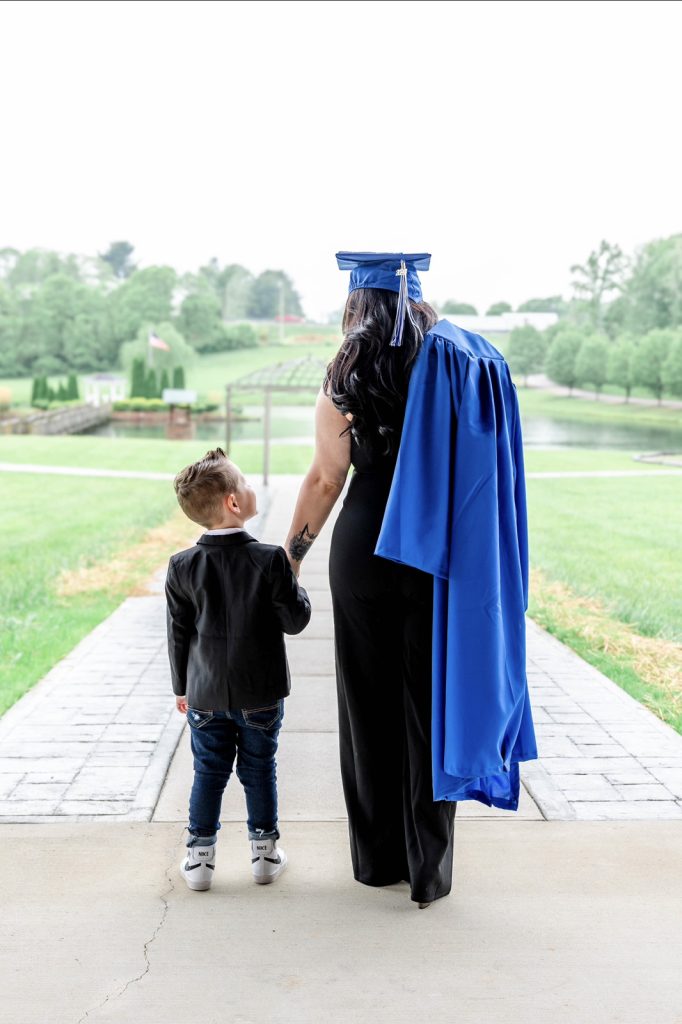
As embarrassing as it is to admit, I have no family. Itโ€™s just me and my son and I am working diligently to build a safer future for us. My Wildcat family IS my family. You have built a university and program which has offered me kindness, support, stability, friendship and most of all, LOVE. AS LEADERS, you have created a team that not only teaches and guides college students, but they love college students and genuinely want them to succeed. Last night, I walked across the stage with my son and was supported by my friends that I have made along the way within my program. Women I have only shared a virtual relationship with, showed up from all over the country to watch me walk the stage and support me and my child bettering our future. They are my family and THAT is what makes the University of Kentucky home.

I know with online students, it must be complicated to build a bond with them without understanding and seeing them as much as you do your in- person students. I hope this story helps and I hope my undying gratitude leaks through my words. I begin my masterโ€™s program in August, and I pray with time, I am able to secure a job at my home, University of Kentucky. Thank you for everything you do, thank you for the team youโ€™ve built and lastly, thank you for allowing me to bring my son along on my walk across the stage.

๐Ÿ“ทHighlights: College of Social Work Graduation May 2024

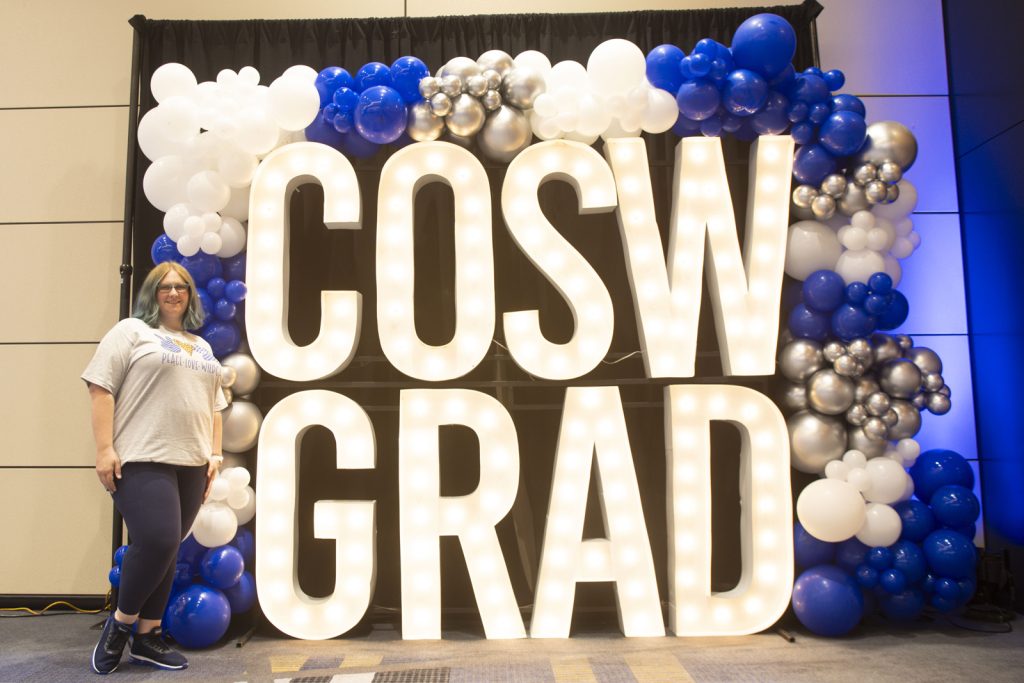
Lexington, Ky. โ€“ Excitement filled the air as the UK College of Social Work (CoSW) offered congratulations to another cohort of graduates. On Friday, May 3, CoSW hosted a Graduation Celebration at the Gatton Student Center, honoring the 642 individuals who constituted the Class of 2024.

The event included numerous CoSW faculty, staff, alumni, and, of course, the newly minted graduates along with their families. In addition to celebrating their academic accomplishments, the reception provided an opportunity for students to reflect on their growth over their academic careers as they prepare to embark on their next steps in their professional journeys.

The College of Social Work again congratulates the Class of 2024 as we look toward the promising futures these individuals bring to their community.

Photo credit Cassie Payne / UK College of Social Work

โ€˜Behind the Blueโ€™: UK grad finds passion for global social work through Explore First

LEXINGTON, Ky. (May 3, 2024) โ€” Cierra Couch, a representative of the University of Kentucky May Class of 2024, is a first-generation college student who came to UK in 2020 with a strong sense of determination, but without a clear roadmap.

As a Robinson Scholar from Hyden, Kentucky, Couch instantly found community through like-minded peers who were also from Eastern Kentucky. As time went on, she began to curate her college journey through resources like UKโ€™s Stuckert Career Center, Student Support Services and her first-generation advisor. These services helped Couch first learn about the multitude of opportunities in the field of social work.

But it was later in her academic journey when Couch stepped into a UK student involvement fair, where, by chance, she learned about Alternative Spring Breaks (ASB), a program that connects UK students to service and learning opportunities across the U.S. and around the world. After becoming involved in ASB, Couch discovered a passion for social work and working with immigrant and refugee populations.

But perhaps Couchโ€™s most transformative experience happened through Explore First โ€”  an education abroad program designed and implemented intentionally to equip and empower first-generation students at UK, like Couch. She was part of the inaugural cohort of students to take part in this trailblazing program, which launched in the summer of 2023. Students traveled to London and Dublin for a three-week course, which emphasized career readiness within a global context. Couch says this experience helped her solidify her career goal to work in global social work.

On this episode of โ€œBehind the Blue,โ€ Couch reflects on her time at UK, her experience with the Explore First program and whatโ€™s next after she walks across the Commencement stage this Friday with her degree from the UK College of Social Work

“Behind the Blue” is available on iTunes, Google Play, Stitcher and Spotify. Become a subscriber to receive new episodes of โ€œBehind the Blueโ€ each week. UKโ€™s latest medical breakthroughs, research, artists and writers will be featured, along with the most important news impacting the university.

For questions or comments about this or any other episode of “Behind the Blue,” email BehindTheBlue@uky.edu or tweet your question with #BehindTheBlue. Transcripts for this or other episodes of “Behind the Blue” can be downloaded from the showโ€™s blog page.

To discover whatโ€™s wildly possible at the University of Kentucky, click here.

As the stateโ€™s flagship, land-grant institution, the University of Kentucky exists to advance the Commonwealth. We do that by preparing the next generation of leaders โ€” placing students at the heart of everything we do โ€” and transforming the lives of Kentuckians through education, research and creative work, service and health care. We pride ourselves on being a catalyst for breakthroughs and a force for healing, a place where ingenuity unfolds. It’s all made possible by our people โ€” visionaries, disruptors and pioneers โ€” who make up 200 academic programs, a $476.5 million research and development enterprise and a world-class medical center, all on one campus.   

In 2022, UK was ranked by Forbes as one of the โ€œBest Employers for New Gradsโ€ and named a โ€œDiversity Championโ€ by INSIGHT into Diversity, a testament to our commitment to advance Kentucky and create a community of belonging for everyone. While our mission looks different in many ways than it did in 1865, the vision of service to our Commonwealth and the world remains the same. We are the University for Kentucky.  
Dr. Shelby Clark pens op-ed to close out Child Abuse Prevention Month

Community Strategies to Prevent Child Abuse and Neglect

Dr. Shelby Clark, PhD, LCSW

The Centers for Disease Control and Prevention estimate that approximately one in seven children experience child abuse and neglect annually.1  Presently, state child welfare systems are charged with responding to reports of child abuse and neglect. However, these systems continue to fail to meet federal guidelines for supporting safety and well-being for children placed in foster care.2 Further, children and families engaged with child welfare systems are at risk of a host of poor outcomes. Notably, estimates suggest 15 percent of youth who age out of foster care will become homeless,3 less than four percent will earn a college degree,4 and only about half are employed by age 24.5 In short, our public institutions and community responses are failing children and families, especially those who experience abuse and neglect.

Indeed, many argue a complete overhaul and abolition of the child welfare system is needed.6 Given the advances and growth across industries such as healthcare and technology, the stagnation of public responses to child abuse and neglect are especially discouraging. As one recent research study suggested, โ€œWe can find ways to build self-driven cars, but foster care seems to remain the same.โ€7 Structural problems demand structural innovation. Therefore, we must collectively demand better and different institutional solutions to prevent, reduce, and respond to child abuse and neglect.

Simultaneously, we hold an individual and collective responsibility to prevent child abuse and neglect in the communities that we participate in. Coretta Scott King once taught, โ€œThe greatness of a community is most accurately measured by the compassionate actions of its members.โ€8For many people, the impact of loving, safe, and stable relationships are indelible. Parents who receive adequate support from their communities, extended family, and social networks are less likely to engage in abusive behaviors towards their children.9 Supportive relationships can provide parents with resources, guidance, and emotional assistance, reducing stress and increasing their capacity to cope with challenges.

Here are three suggested strategies that may prevent child abuse and neglect:

  1. Offer Emotional Support and Understanding to Friends and Family: Families in our communities may experience stress, isolation, or other challenges that increase the risk of child abuse and neglect. Simply being present, listening without judgment, and offering empathy can make a significant difference. Checking in regularly with friends, family members, or neighbors who may be struggling and offering a supportive ear or a helping hand when needed can help parents to know they are not alone and to whom they reach out to for help.
  2. Provide Practical Assistance to Families in Need: Know the services and resources available in your community. If someone you know is struggling with mental health or obtaining necessities like food, shelter, or healthcare, you can encourage them to seek assistance from formal supports and programs. Additionally, informal support networks through friends, family, or church communities can provide practical assistance to families by offering help with childcare, running errands, cooking meals, or providing transportation. Small acts of kindness can alleviate some of the pressures that families face and reduce the likelihood of abuse or neglect occurring due to overwhelming stress or lack of resources. By offering tangible support, we can contribute to creating a supportive community where families feel valued and strengthened.
  3. Promote Positive Parenting Practices: Encouraging parents to engage in positive interactions with their children, such as spending quality time together, communicating openly, and setting appropriate boundaries, can help strengthen parent-child relationships and reduce the risk of abuse or neglect. There are a variety of ways we can teach and learn about positive parenting such as from books, podcasts, expert social media accounts, or through formalized parenting support services and educational programs.

By taking these proactive steps, we can contribute to creating a culture of support and care within our communities, helping to prevent child abuse and neglect, and promoting the well-being of children and families. Every act of kindness and support counts and can make a meaningful difference in the lives of families facing challenges.

Dr. Shelby Clark, PhD, LCSW (she/her) is an Assistant Professor at the University of Kentucky College of Social Work. Her research examines trauma-informed care, workforce well-being, and service recipient outcomes in human service settings. You can read about her recent work in these two articles:

  1. โ€œShown love from the brokenness of a systemโ€: Themes from a Poetic Inquiry Reimagining Child Welfare
  2. Examining the Relationships between Self-Care and Well-being Outcomes among Child Welfare Professionals