SEARCH RESULTS FOR:

Search Results

From Soldier to Social Worker: UK Student Advocates for Veterans at National Leadership Institute

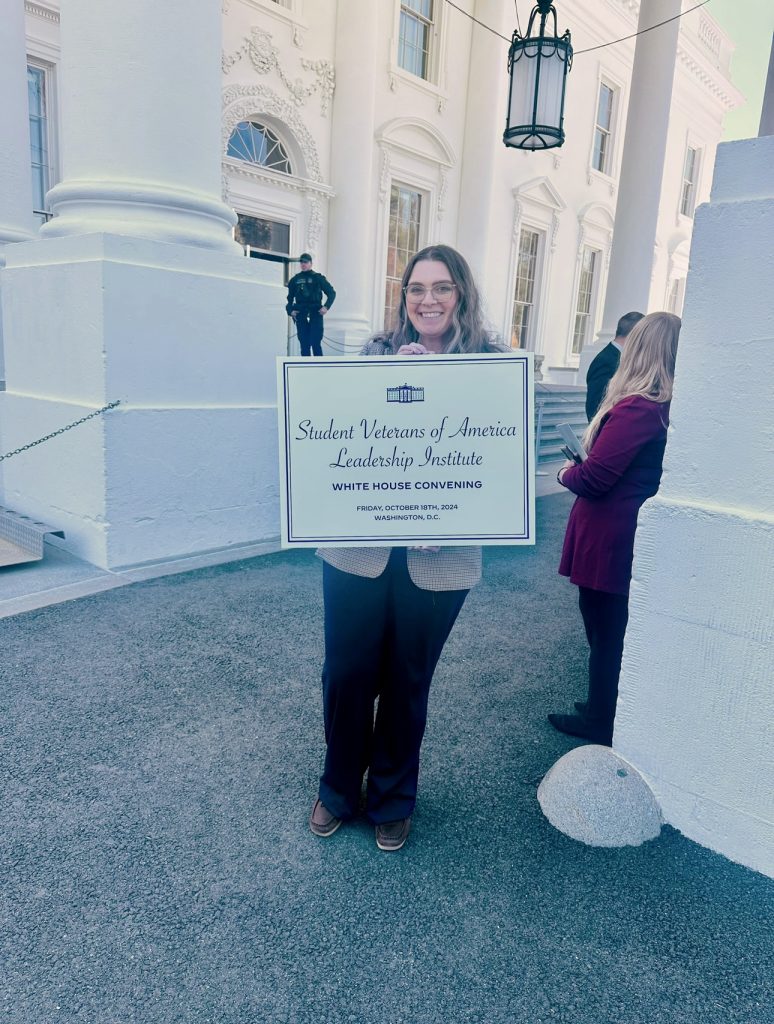
LEXINGTON, KY (Nov. 20, 2024) – Jessica Sellers, a Doctor of Social Work (DSW) student at the University of Kentucky College of Social Work (CoSW), recently represented the university at the prestigious Student Veterans of America (SVA) Leadership Institute in Washington, D.C. Sellers, a distance learner based in Alabama, participated alongside other student veterans from across the country, engaging in dynamic discussions and mentorship opportunities aimed at advancing veteran support and leadership within the social work field.

The event included a panel discussion at the White House, where Sellers had the opportunity to engage directly with high-ranking officials, including the Chief of Staff of the Department of Veterans Affairs.

Reflecting on the moment, Sellers shared, “When I was medically separated from the military, I never imagined I’d be where I am today… much less being invited to the White House to share my concerns and discuss meaningful change.”

The experience culminated in a graduation ceremony held at the Library of Congress, where Sellers was recognized as an SVA Leadership Fellow. “Graduating in such an iconic and historic space was surreal,” Sellers said. “Social work has given me the ability to continue serving others in a new way, and this experience reaffirmed my passion for helping veterans not only survive, but thrive.”

Mentorship and Advocacy

During the Leadership Institute, Sellers mentored aspiring social workers and undergraduates preparing to apply for MSW programs. “The most meaningful thing I could share wasn’t advice about papers or research methods, but encouraging them to see the artistry of human connection and the creative potential of social work,” she explained.

Sellers also encouraged other DSW students, particularly those in the Military Behavioral Health Graduate Certificate program, to consider applying for the Leadership Institute, emphasizing its value for distance learners.

“As a distance learner, I almost didn’t apply because I wasn’t sure how much weight my application would hold ,” Sellers shared. “But SVA welcomed me with open arms and provided an incredible opportunity to connect, learn, and grow as a leader,” she said.

A Vision for Expanding Support

In addition to her current work as an outpatient therapist at a community-based mental health center, where she specializes in serving veterans, Sellers has ambitious goals for expanding veteran-focused mental health services. “My ultimate goal is to build a Military and Veteran Initiatives team to improve and expand community-based services,” she shared. “Experiences like this help me feel confident that I can achieve these goals, thanks to the mentors and connections I’ve made.”

The event also highlighted the importance of advocacy within social work. Sellers expressed her hope that more CoSW students will take advantage of SVA programs, such as Washington Week and the National Convention, which offer opportunities to engage with policymakers and participate in breakout sessions on topics like social justice and grant writing.

Advice for Future Applicants

For students considering the SVA Leadership Institute, Sellers emphasized the importance of authenticity and purpose. “Know your ‘why’ and convey your passion for change-making,” she said. “Social workers are natural leaders and advocates—this experience is an incredible way to hone those skills and build the confidence to create meaningful change.”

Sellers is now exploring sponsorship opportunities to lead a group of CoSW students to the SVA National Convention and Washington Week in 2025. “These events would provide invaluable experiences for students, particularly those interested in policy and advocacy,” she said.

Through her participation in the SVA Leadership Institute, Sellers has not only represented the University of Kentucky with distinction but has also set an inspiring example for her peers, showcasing the transformative power of social work leadership in addressing veteran needs.

For more information about the College of Social Work or the Military Behavioral Health track, visit socialwork.uky.edu/portal/sw/.

Exploring Restorative Justice with Jackie Duron: A Path Toward Community Healing and Transformation 

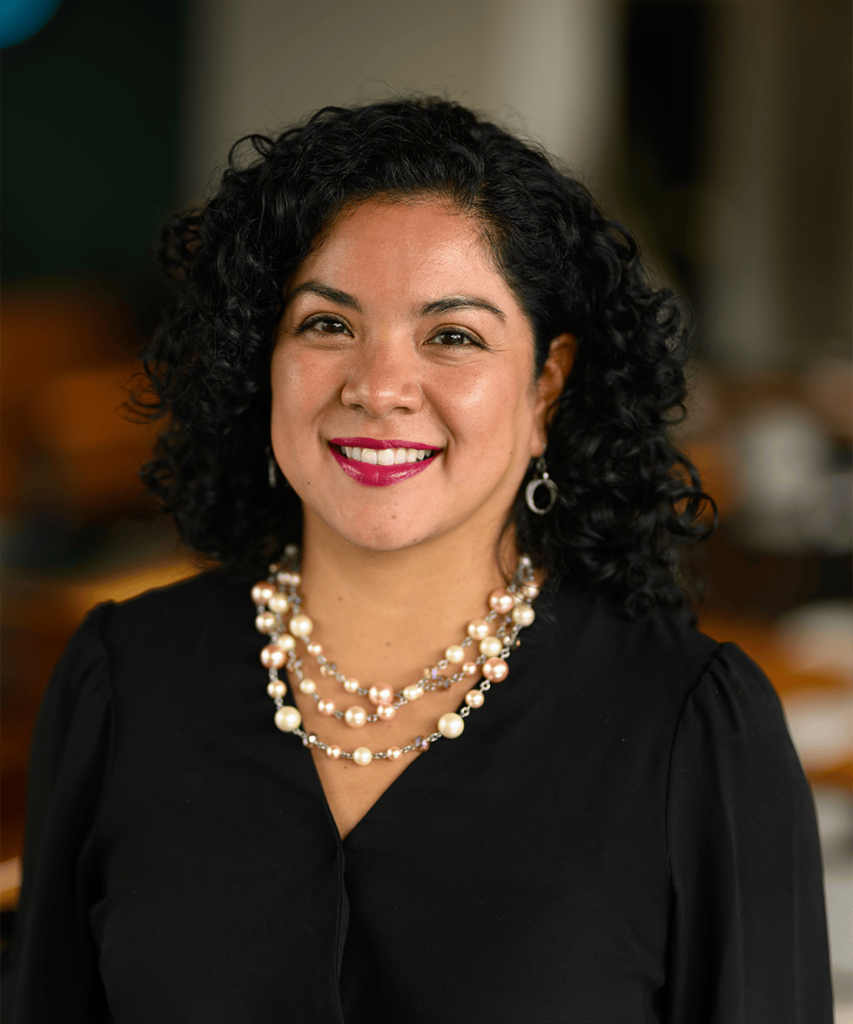
Lexington, KY – As Restorative Justice Week commences, the University of Kentucky’s College of Social Work (CoSW) highlights the work of Dr. Jackie Duron, the newly appointed Associate Dean of Faculty Advancement. Through years of experience in the juvenile legal system and a deep commitment to addressing harm within communities, Duron is reimagining the potential of restorative and transformative justice, aiming to make it a foundational element of her work at CoSW. 

For Duron, her journey into restorative justice began while providing therapeutic support to youth under probation. “It started with anger management and conflict resolution,” she recalls, “and gradually led me to consider what justice could look like beyond punishment.” This initial exposure opened her eyes to alternative approaches that focus on healing, accountability, and, above all, hope. 

At its core, restorative justice is about “offering space and time for people to recognize harm, take accountability, and move towards healing,” Duron explains. Unlike traditional justice systems that often isolate and punish, restorative justice brings people together—survivors, offenders, and the community—to address harm and work collaboratively toward resolution. “It’s an opportunity to rebuild connections, to recognize when we’ve been disconnected, and to focus on transformative responses rather than retribution,” she says. 

Duron’s philosophy is evident in her work with New Jersey’s “Restorative and Transformative Justice for Youth” program, a state-led initiative that provides community-based support hubs offering mental health, educational, housing, and employment services among others for at-risk youth. These hubs, she explains, don’t just respond to individual cases of harm; they aim to “build an ecosystem of support” that is integrated into the fabric of the community. The goal? To prevent future harm by addressing systemic inequities and providing youth with the resources they need to succeed. 

As an administrator at CoSW, Duron envisions integrating these principles of restorative justice within academic structures. “Every relationship has the potential for harm, whether intentional or not,” she says. “Our job, then, is to create policies and practices that address harm constructively and foster a sense of community.” She believes that by building a supportive environment within CoSW, faculty and staff can model these practices, helping to instill a restorative mindset in the next generation of social workers. 

Implementing restorative justice within institutional frameworks isn’t without its challenges. “There’s a lot of work in building these structures from scratch,” Duron acknowledges. Yet she remains optimistic, emphasizing that restorative justice is a process that requires patience and a commitment to honest dialogue. “Conflict can be uncomfortable, but it’s necessary for growth,” she says. In her role, Duron is focused on making these practices standard within the CoSW community, ensuring that they’re not just symbolic but deeply embedded into the college’s approach. 

Duron measures success by the community’s capacity to engage in reflection and transformation. “We need to take time to consider different perspectives,” she says, noting that true change requires a willingness to challenge assumptions and confront discomfort. Through restorative justice, Duron believes CoSW can create a culture where students, faculty, and staff feel both supported and accountable—where the potential for harm is acknowledged and addressed through thoughtful, community-focused solutions. 

For those interested in restorative justice, Duron’s advice is simple: stay curious. “We need to ask ourselves what led us here and how we can remedy it,” she says. Curiosity, she believes, drives alignment with restorative and transformative justice principles. By staying open to new possibilities, she argues, individuals can find ways to make meaningful impacts within their communities, both locally and beyond. 

In a world where inclusion is often discussed as a solution, Duron offers a broader vision. She sees restorative justice as a pathway to true community transformation—one that transcends inclusion by creating spaces that are inherently equitable and supportive. “We must embrace difference in ways that don’t just conform but expand,” she says. “That’s where real change begins.” 

University of Kentucky’s College of Social Work Kicks Off 50th Anniversary Celebration of BASW Accreditation

LEXINGTON, KY – November 15, 2024 – The University of Kentucky College of Social Work (CoSW) is thrilled to kick off a series of celebratory events today, commemorating the 50th anniversary of the Bachelor of Arts in Social Work (BASW) program’s accreditation. This milestone reflects five decades of dedication to excellence in social work education and the significant impact of our alumni, faculty, and students on communities across Kentucky and beyond.

Today’s event, held from 2:30 PM to 5:00 PM at the King Alumni House and virtually via Zoom, welcomes faculty, staff, students, alumni, and virtual attendees. The event will include an interactive networking reception, a program presentation available both in-person and online, and engaging activities. Food and refreshments will be provided, and attendees will have the chance to participate in a raffle drawing.

The celebration marks the first of many events in honor of the BASW program’s 50th anniversary.  

For more details on today’s event and upcoming events celebrating the BASW program’s 50th anniversary, please visit https://socialwork.uky.edu/portal/sw/university-of-kentucky-college-of-social-work-celebrates-50-years-of-basw-accreditation/.

“Care to Count” initiative supports community health, expands K-Count efforts 

LEXINGTON, KY – In Kentucky, where thousands of people experience housing instability each year, a new effort is emerging to shine a light on one of the most vulnerable populations—those who are hospitalized but have no stable place to call home. On January 29, 2025, the University of Kentucky will launch its first-ever Hospital Point in Time Count, an initiative aimed at capturing the hidden struggles of patients facing both health crises and housing instability. 

Led by Drs. Abigail Latimer and Lynden Bond, this collaboration between UK HealthCare’s Chandler and Good Samaritan hospitals, along with support from the College of Social Work and the UK Center for Clinical and Translational Science, seeks to address a gap in existing homelessness data. By focusing on the intersection of healthcare and housing insecurity, the project hopes to inform policies that can better support the needs of hospitalized individuals who may otherwise be overlooked. “Housing is a fundamental part of health,” says Latimer, a palliative care clinician and assistant professor at UK College of Medicine and College of Social Work. “Until we address both, we can’t truly address the full scope of their healthcare needs.”

A Unique Approach to the Community Count 

Typically, annual homeless counts exclude those in hospitals, leading to an incomplete picture of the number of people who are unhoused. Bond emphasized the importance of this addition to the traditional community count, mandated by the Department of Housing and Urban Development. “We aim to include hospitalized individuals, ensuring they are counted and their stories are understood. This information is critical in creating policies that address housing and health needs holistically,” Bond explained. 

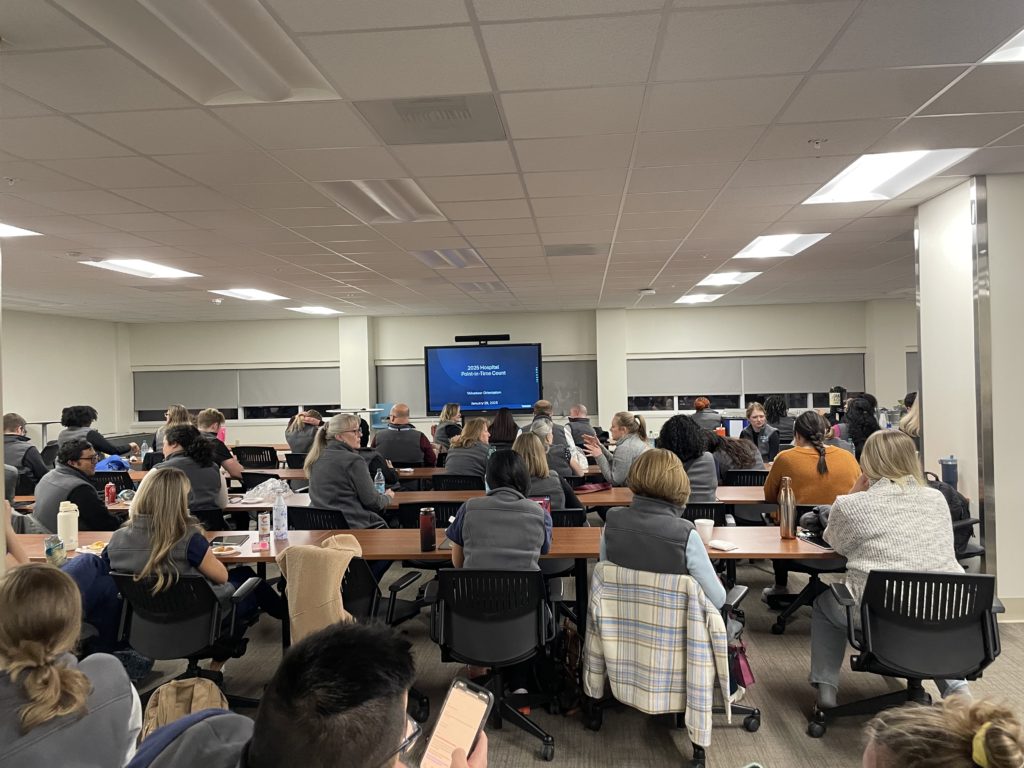
The research-focused event will occur on January 29 at 6:30 PM, aligning with Lexington’s K-Count. Volunteers will receive specialized training to ethically engage with patients, ensuring sensitive and effective data collection. 

Why This Count Matters 

The challenges faced by people experiencing homelessness are compounded by limited resources, legislative changes, and rising living costs. “The recent legal landscape has made it easier to penalize those without stable housing,” Bond noted, referencing the Supreme Court’s ruling on Grants Pass vs. Johnson and Kentucky’s HB5 law. “Despite inadequate resources like shelter beds and support services, people experiencing homelessness are facing increased criminalization. This count will provide data that is vital to developing responsive community programs.” 

Latimer also highlighted the unique difficulties faced by Lexington and surrounding rural communities, where housing instability often goes unseen. “Our goal is to paint a holistic picture of the needs in our region to better inform health and social services.” 

How to Get Involved 

Volunteers are essential to the success of this initiative. To learn more about volunteering, please visit https://socialwork.uky.edu/portal/sw/point-in-time-count/.

In addition to completing a virtual training, volunteers will attend an orientation session an hour prior to the count. Those unable to volunteer on the day can still contribute by contacting the Care to Count team at caretocount@uky.edu to explore other ways to support this research or future events. 

Join us in making a difference for towards understanding the needs and experiences of people facing housing insecurity by contributing your time, skills, and compassion to this essential initiative. 

Student Research Shines at Council’s 70th Annual Program Meeting

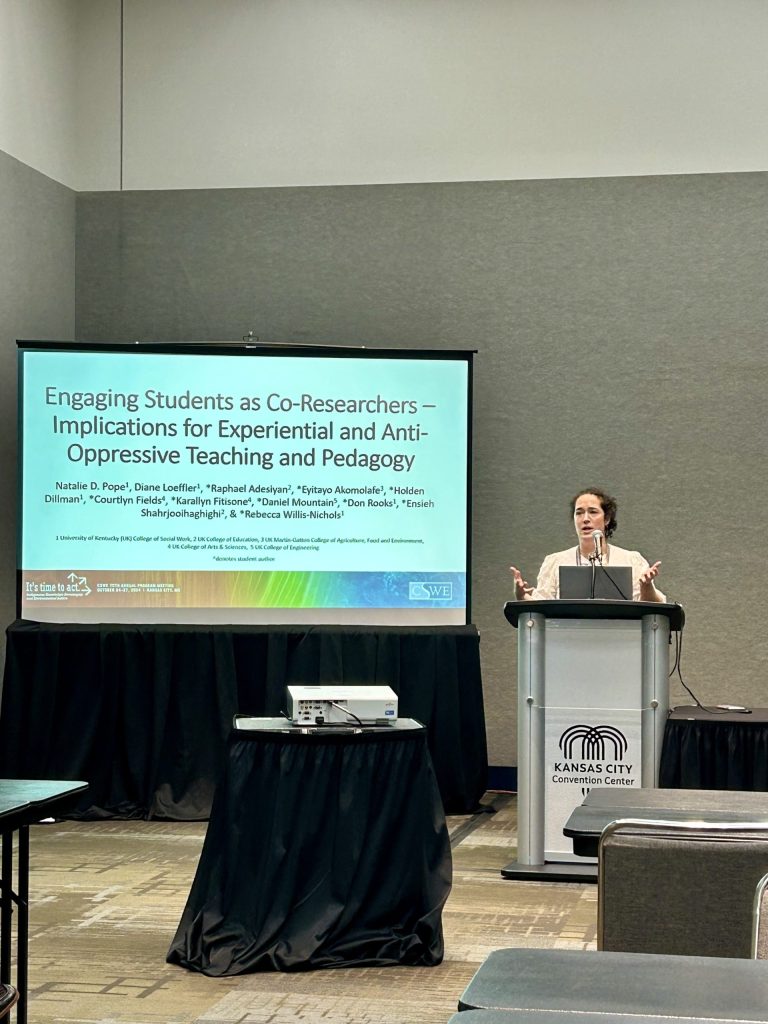
Lexington, KY. — In a display of dedication to addressing society’s most pressing social challenges, students from the University of Kentucky’s College of Social Work (CoSW) showcased their research and dedication at the Council on Social Work Education’s (CSWE) 70th Annual Program Meeting this October. Among these students, three standout scholars covered an array of critical issues from engaging marginalized groups in therapy to tackling eco-anxiety, illustrated the breadth and depth of student-driven research at CoSW.

Gary Taylor: Advocating for Black Men in Social Work

Gary Taylor, a student who also represents Virginia State University, captivated attendees with his insights on engaging Black men in social work. Taylor’s presentation focused on the need for intentional and strategic efforts to build trust and establish rapport with African-American men in therapeutic settings—a group often overlooked in traditional mental health frameworks. “My experience this year was nothing short of amazing,” Taylor shared. “Having the ability to present on a topic I am passionate about while also representing University of Kentucky CoSW and Virginia State University on a national stage was an honor.”

Taylor’s work emphasized the importance of creating spaces where Black men feel seen, heard, and validated. His presentation aimed to equip clinicians with tools to address implicit biases and fears that may obstruct culturally competent treatment, while advocating for a therapeutic environment that fosters safety and representation.

Karen Magruder: Championing Eco-Resilience and Online Learning

Karen Magruder’s contributions to the meeting included two posters that explored student-centered frameworks and therapeutic interventions for eco-anxiety. Magruder, who collaborates with the University of Texas at Arlington’s Provost’s office, introduced a novel approach to online learning readiness, tailoring support strategies to meet the diverse needs of virtual learners.

Her second presentation, titled “Building Eco-Resilience: Acceptance & Commitment Therapy (ACT) as a Clinical Intervention for Eco-Anxiety,” stemmed from a conceptual paper she developed during her studies. It showcased ACT’s potential to help clients confront the growing concern of eco-anxiety, a mental health challenge linked to climate change. “Presenting at CSWE is a great way to ‘walk the walk’ of a scholar-practitioner,” Magruder reflected, “and to engage with like-minded educators about translating research into practical applications.”

Ryan Barney: Navigating Moral Distress in Social Work

Ryan Barney, in collaboration with Dr. Shelby Clark, explored the complex issue of moral distress in social work—a dilemma that arises when policy restrictions prevent social workers from acting in their clients’ best interests. Their presentation, titled “Do No Harm Can Get a Little Muddy: Social Workers’ Experiences with Moral Distress,” delved into the ethical challenges that social workers face when forced to compromise their values due to organizational constraints.

“Attending the CSWE Annual Program Meeting for the first time was an inspiring experience,” Barney noted. “The wealth of knowledge shared reaffirmed the importance of collaboration and innovation in social work.”

A Collective Mission

The students’ contributions to the CSWE Annual Program Meeting underscore the College of Social Work’s commitment to fostering meaningful research and dialogue in the field. With topics spanning racial equity, environmental resilience, and ethical dilemmas, each presentation demonstrated the students’ commitment to using social work as a tool for positive change.

As social work faces complex global challenges, students like Taylor, Magruder, and Barney exemplify the next generation of leaders dedicated to making a difference.

‘What comes first: the scary movie, or the fear?’ UK professor talks horror films and society

This article was originally published by Erin Wickey on UKNow.


LEXINGTON, Ky. (Oct. 28, 2024) — Laneshia Conner, Ph.D., joined the University of Kentucky as an assistant professor in the College of Social Work in 2020. Her primary research focuses on improving scientific knowledge about HIV prevention for older Black women, adult learning principles in higher education and anti-racism in social work education.

But this Halloween season, UK’s “Research Made Possible” podcast explores Conner’s work in the classroom, specifically a course she created called “Horror Films and Social Welfare.” In this course, she and her students explore the use of horror films as a lens to learn about critical social issues.

“I have always liked horror films, they’re something my husband and I share a great love for,” Conner said. “When you think about what scares you and how we construct fear… that’s a really nice segue to break down the ‘why’ behind it.”

The course begins with a focus on history, emphasizing the importance of students gaining a deep understanding of the past.

“We begin by analyzing some early films. I start with D.W. Griffith’s ‘Birth of a Nation,’ a silent film, and then move on to the original ‘Night of the Living Dead.’”

By equipping students with historical knowledge, Conner says they gain the power to critically analyze and reshape their understanding, which is a crucial step toward fostering meaningful change for the betterment of society.

The course then moves across time — the ’70s, ’80s and ’90s — and explores social issues during these time eras, as well as important themes that emerged, from mental health to artificial intelligence to natural disasters. 

Conner first pitched the idea of the course in 2021, and there was a strong student interest in the topic. She has now been teaching the course for three years.

“Movies [can create] this ambiance, and [some] people won’t watch horror movies because of what it does — it makes them more fearful,” she said. “So it’s kind of like what comes first, the chicken or the egg? The scary movie, or the fear? And the course has just been so beautiful in helping [students] dissect their feelings about things.”

Listen to the podcast above, or on SoundCloud

About Laneshia Conner

In 2022, Conner received NIH funding for her research as a UK Building Interdisciplinary Research Careers in Women’s Health (BIRCWH) Scholar. This training program is funded by the Office of Women’s Health Research and the National Institute on Drug Abuse at the National Institutes of Health (NIH).

Conner was recognized earlier this year for her exceptional research achievements by the Society for Social Work and Research. Her study focused on the group experiences of Black faculty supervised by Black administrators, in which participants reported more autonomy and positive interactions, visible supports and understanding from their administrators.

Research reported in this publication was supported by the National Institute on Drug Abuse of the National Institutes of Health under Award Number K12DA035150. The content is solely the responsibility of the authors and does not necessarily represent the official views of the National Institutes of Health.

As the state’s flagship, land-grant institution, the University of Kentucky exists to advance the Commonwealth. We do that by preparing the next generation of leaders — placing students at the heart of everything we do — and transforming the lives of Kentuckians through education, research and creative work, service and health care. We pride ourselves on being a catalyst for breakthroughs and a force for healing, a place where ingenuity unfolds. It’s all made possible by our people — visionaries, disruptors and pioneers — who make up 200 academic programs, a $476.5 million research and development enterprise and a world-class medical center, all on one campus.   

In 2022, UK was ranked by Forbes as one of the “Best Employers for New Grads” and named a “Diversity Champion” by INSIGHT into Diversity, a testament to our commitment to advance Kentucky and create a community of belonging for everyone. While our mission looks different in many ways than it did in 1865, the vision of service to our Commonwealth and the world remains the same. We are the University for Kentucky.  

Back from Fall Break Checklist: Get Ahead for the Rest of the Semester 

Students, welcome back from Fall Break! We hope you’re feeling rested and ready to tackle the remainder of the semester. Before things get too hectic, here’s a checklist to help you get back into the swing of things and stay on track for success. 

1. Schedule a Health Checkup with Your Advisor 

Fall Break is the perfect time to regroup and make sure you’re on track academically. Whether you’re thinking about next semester or graduation, it’s important to ensure you’re meeting all your academic requirements.  

Priority registration begins in early November, so schedule a meeting with your advisor now to discuss your next steps or join us for Drop-in Advising (available in person or on zoom) Mondays from 3:00-4:00 on the 6th floor of Patterson Office Tower or by Zoom

Advising will help you confirm that you’re registered for the right classes and on track for any specializations or certificates you’re pursuing. Don’t wait—slots fill up quickly this time of year! 

2. Add Important Deadlines to Your Calendar 

Staying organized is crucial, especially when it comes to deadlines for campus initiatives and opportunities. Be sure to look at your calendar on myUK and add reminders for important exams, projects and milestones!  

Here are a few upcoming dates to consider adding in addition: 

Priority Registration for Spring Classes: Priority registration for the Spring 2025 semester begins on Nov. 4. Please make sure to meet with your advisor to remove your advisor hold before priority registration begins! 

Scholarship Opportunities: Many UK scholarships have deadlines in November, checkout UKs “Scholarship Universe” site to stay on track and informed!  

Apply to Speak at the December 2024 Commencement Ceremony: If you want to represent your class at graduation, applications are open now! Apply here.  

3. Study Tips to Get Back in the Groove 

It’s normal to feel a little disoriented after a break, so here are a few study strategies to help you refocus: 

– Reserve a Study Room at William T. Library: Need a quiet place to study? You can easily reserve a study room at the William T. Library through their online system. Perfect for solo sessions or group projects. 

– Set Up a Zoom Meeting with Your Professor: If you need help catching up or reviewing materials, don’t hesitate to reach out to your professors. Most faculty are available for virtual office hours. Just send a quick email to set up a Zoom meeting, and you’ll be back on track in no time! 

–  Find a study place that works for you! Not everyone prefers the quiet environment of the library– consider adventuring out in your community and going to a local coffee shop! For those in Lexington, check out this list of coffee spots.  
 

4. Productivity Mapping Tools 

Procrastination can sneak up on all of us, but with the right strategy, you can get ahead and stay productive. Here are a couple of tried-and-true methods to boost your productivity: 

Eat the Frog: Start your day by tackling the biggest, most daunting task first (the “frog”). Once it’s out of the way, everything else will feel easier. This is a great way to avoid procrastination and stay productive. 

The Pomodoro Technique: Work for 25 minutes, then take a 5-minute break. After four rounds, take a longer break. This method helps break up long tasks and keeps you focused. 

– Asana/Microsoft Calendar: Organize your tasks visually! Tools like Asana allow you to create boards and move tasks from “to-do” to “done,” while Microsoft Calendar can help you map out due dates and meetings with reminders. 

5. Incorporate Self-Care Practices 

With holidays, midterms and weather changes just around the corner, it’s important to practice self-care, in a way that is meaningful and impactful to you. Through a new partnership with Headspace, students have access, at no cost to the entire headspace library. Learn more here.  

For other self-care tips, checkout this article

— 

Getting back from Fall Break doesn’t have to feel overwhelming. By taking a few proactive steps now, you can set yourself up for a smooth end to the semester. Let’s finish strong, Wildcats! 

UK Alumna leads fight against violence on women and children

Kansas City, MO — Nearly one in three women worldwide will experience physical or sexual violence in her lifetime. As a result of survivors and their advocates’ grassroots advocacy and organizing, the Violence Against Women Act became law in 1995. The passage of VAWA marked the acknowledgment by the United States government of the government’s responsibility to change legal, social and cultural norms and the need for dedicated support services and improved response from the justice system.

In alignment with this drive for change, the Council on Social Work Education (CSWE) introduced its Violence Against Women and Their Children (VAWAC) track, a dedicated focus to raise awareness, foster research, and support social work education on these critical issues.

At this year’s CSWE Annual Program Meeting (APM), Elizabeth Brillon, an alumna of the University of Kentucky College of Social Work (CoSW), took the stage as Chair of the VAWAC track. With an unyielding dedication to breaking cycles of violence, Brillon used her platform to emphasize the value of resources, ongoing support, and structural change in the lives of both survivors and the social workers who support them.

Brillon’s three-year role as VAWAC track chair is pivotal, she explains, in effective communication with CSWE staff, co-chairs, and key stakeholders to ensure the success of the track and amplify research for violence prevention. “It is a fulfilling role, and one I consider so valuable to the field,” Brillon noted. Her efforts include evaluating session submissions with her co-chair, engaging deeply with emerging research, and giving feedback that shapes the presentation landscape for VAWAC at CSWE’s APM.

Beyond the logistics of her role, Brillon takes a hands-on approach to raising awareness among educators and students. “Both my co-chair and I offer a presentation specific to the VAWAC track each year,” she said. “We discuss the latest relevant legislation and share resources from national organizations. This year is especially meaningful, as it marks the 30th anniversary of the Violence Against Women Act, originally authored by current U.S. President Joe Biden, whom I’ve had the honor of meeting.”

Her presentation invited educators and students into an open forum on VAWAC’s purpose, national policies, and emerging statistics on violence against women. She encourages these groups to use the track as a resource, making herself accessible through CSWE’s platforms and professional networks to continue these critical conversations well beyond the conference.

Reflecting on her journey, Brillon attributes much of her resilience to her time as a Doctor of Social Work student at the University of Kentucky, a foundation she says has emboldened her in the fight against social injustices. “As a recent graduate, I’m equipped with the skills to overcome self-doubt and use my voice effectively. This experience has expanded my network, and that’s essential for the change I hope to see in this field,” she shared.

Looking to the future, Brillon hopes to make a lasting impact through teaching, publishing research, and dismantling systemic injustices in social work practices. Her message to colleagues is one of purpose and persistence: “Write down your purpose somewhere,” she advised. “The work can be challenging, especially for those in trauma-related fields. Give yourself the grace to pause when needed. A single ripple, however small, has the power to create a wave.”

Interview with Avery Powers: triple major, student scholar, ambassador and leader

Lexington, KY – Avery Powers is a senior at UK who has made it clear that she’s not afraid to hear “no.” Her persistence and ability to push through challenges have opened doors that many might have walked away from. As a triple major in psychology, criminal justice, and sociology, Powers has carved out a path that defies expectations and sparks inspiration.

Even after sustaining a mild traumatic brain injury in high school, Powers has not let that stop her from thriving both academically and in leadership roles. Balancing the demands of a triple major in just three years, she also serves as a CoSW SEE Ambassador, a member of the College of Social Work (CoSW) Dean’s Advisory Student Council, the founder and president of the first-ever Student Criminal Justice Association, and a research associate in the College’s Suicide Prevention and Exposure Lab (SPEL) with Dr. Julie Cerel.

On October 22nd, Avery Powers will be hosting a “Social Media Takeover” on the UK COSW social media Instagram and Facebook. Follow us at @UKCOSW to learn more about Avery’s journey and aspirations!

What sets Powers apart is her fearlessness in the face of rejection. She’s learned that being told “no” is not the end of the road but a chance to find another way forward. Her resilience has shaped her success, allowing her to take on leadership roles, excel in her studies, and become a role model for others. In this interview, she reflects on her journey at CoSW, the obstacles she has faced, and the leadership skills that have driven her to succeed.

Q: Can you tell us a little about yourself and why you chose to triple major in psychology, criminal justice, and sociology? 

Avery Powers: Coming out of high school, I wanted to major in criminal justice, but at the time, UK didn’t have a major pathway for it. Despite that, I knew I wanted to attend UK for scholarship and financial reasons, so I initially majored in psychology with a minor in criminology. I came in with 72 hours of dual credits from high school, which meant I could either graduate really early or add something else. Last year, I found out about the new Criminal Justice program and decided to add it, along with sociology. There’s a lot of overlap between these fields, which has given me space to explore and pursue all three while still graduating in three years. It keeps me very busy, but I’m especially focused on criminal justice right now. 

Q: What inspired you to get involved with the Suicide Prevention and Exposure Lab (SPEL)? What has your experience been like as a research intern there? 
 

Avery Powers: I started out doing research in the psychology department. But I wanted to explore more research opportunities that would broaden my scope post-undergrad. I found out about the SPEL lab on the CoSW website and really liked the variety of projects. I felt there would be a strong level of overlap and interest with SPEL, so I reached out to Dr. Julie Cerel directly via email, and she graciously offered me an interview. 

At first, I was honestly scared to reach out. I thought she might not want an undergrad student. I was afraid I wouldn’t qualify or that she wouldn’t have any interest in bringing me on. But I kept reminding myself that it doesn’t hurt to be told no. I’m so glad I took the chance because she ended up giving me a position in the lab. I’ve learned so much through trial and error and have grown a lot under her mentorship, which has been a valuable part of the experience. 

In the lab, I do a lot of behind-the-scenes work on various projects—coding data, piloting surveys, and filling out IRB applications. One of my biggest projects was coding data in collaboration with Rutgers on their National 988 Mental Health Crisis Hotline, and I’ll be a co-author when the research is published. I’m also working on my own project for the National Conference for Undergraduate Research, focusing on coping mechanisms based on workplace environment and experience. 

Q: As president of the Student Criminal Justice Association, what are some key initiatives or events you’re excited about? What inspired you to take on this leadership role? 

Avery Powers: The Student Criminal Justice Association is a brand-new initiative, and I’m excited and honored to pave the way and leave a lasting impression for future students. I launched this program because I know it’s important for COSW to have something like this in collaboration with the Student Social Work Association. A big focus will be to bring in professionals from the community—lawyers, FBI agents, victim advocates—to speak with our members. Criminal justice is such a broad field, and I want students to get a feel for what’s out there early on in their academic path so they can refine and explore additional opportunities.  

We’ll also host study sessions to help students feel prepared for exams and midterms, and I’m committed to ensuring that everyone in the program has the resources they need to succeed. I serve as a SEE ambassador and sit on the Dean’s Advisory Council. I’m passionate about building strong connections between students and leadership.  

Q: For the social media takeover, what are you most excited to share with the College of Social Work’s audience? 

Avery Powers: I’m excited to highlight how students can tailor their academic experience, especially with remote research and flexible schedules. I’ve structured my week so that I only have classes on Tuesdays through Thursdays, and I want to show students that you can manage a packed schedule without feeling overwhelmed. I also want to emphasize the importance of self-care, something I make a priority as I balance school, research, and leadership roles. 

Q: How do you balance your responsibilities as a triple major, research intern, and president of an organization? 

Avery Powers: Time management is everything. I use both a physical planner and a digital calendar to organize my days, and the gym is a big part of my routine. Every morning, I plan out what I need to accomplish, and I haven’t missed a deadline in college. That’s been a huge source of pride for me. I wasn’t always this organized—starting college was more difficult, but I knew that if I wanted to succeed, I needed to make serious changes to my time management. 

Q: What are some of the biggest challenges you’ve faced in your studies or internships, and how have you overcome them? 

Avery Powers: One of the biggest challenges for me was adjusting to college with a mild traumatic brain injury I suffered in high school from carbon monoxide poisoning. It’s affected my short-term memory and cognitive abilities, and I’ve had to learn how to approach studying differently. I’ve personally chosen not to use certain accommodations available to me at UK for many reasons, but mostly I wanted to feel like I could succeed and experience normalcy, even with the brain injury. 

It’s been really hard. My first year of college was an uphill battle. I didn’t have the grades I wanted and it took time to get used to the pace of college life. I’ve had to develop my own learning techniques, relying on daily rituals and constant practice to retain information. 

Q: What do you hope people take away from your social media takeover about student life and involvement in the College of Social Work? 

Avery Powers: I want students to know that you’re not defined by what happens to you or what you carry with you. Whether it’s anxiety, depression, or life circumstances, it doesn’t make you different from anyone else. You can still achieve your goals, and I hope people take that message to heart. 

Q: What has been your most rewarding experience so far in your academic and leadership roles? 

Avery Powers: Being a SEE ambassador has been incredibly rewarding. It’s given me opportunities I never expected, like serving on the hiring committee for the Director of Criminal Justice. I’m also part of the research committee, and both experiences have opened up so many doors. I’ve set high expectations for myself, and being an ambassador has helped me meet those goals. 

Q: Looking ahead, what are your future career goals, and how do you see your current roles helping you reach them? 

Avery Powers: I’m planning to apply to clinical PsyD programs in forensic psychology, with the goal of working in corrections or for the FBI. I’m really interested in the intersection of law, criminal justice, and psychology, and I want to be a licensed forensic psychologist. My dream is to work in the courtroom, testifying as a psychologist. Everything I’m doing now is helping me work toward that goal. 

Rujeko Machinga-Asaolu awarded by Gerontological Society of America

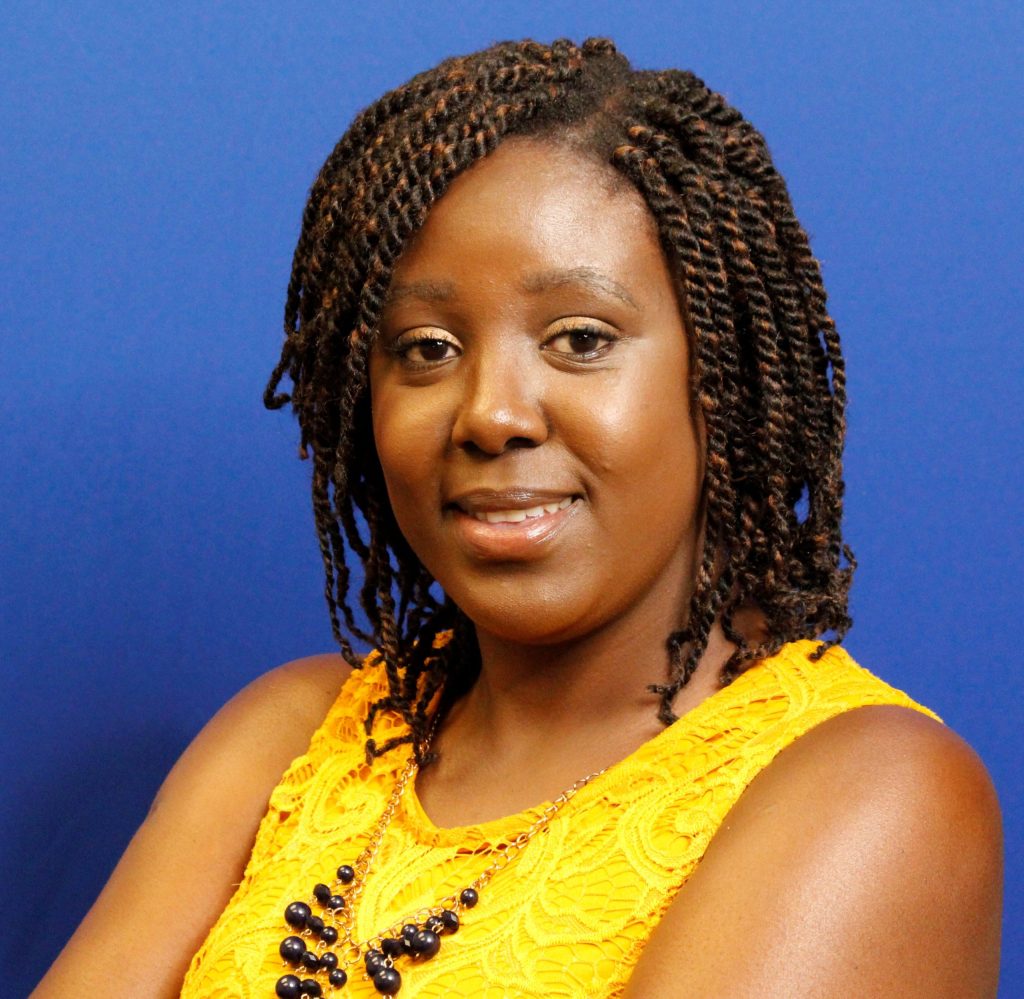
Lexington, KY (October 16, 2024) — The University of Kentucky College of Social Work (CoSW) is proud to announce that Rujeko Machinga-Asaolu, a fourth-year Ph.D. candidate, has been selected among the top scholars globally as a recipient of the prestigious Gerontological Society of America (GSA) Diversity Mentoring and Career Development Technical Assistance Workshop Diversity Fellow Award.  

This award, made possible through a grant from the National Institute on Aging, honors early-career researchers from diverse backgrounds globally who demonstrate exceptional ability for advancing the field of aging research and education.  

If you know Machinga-Asaolu—known affectionately as “Rue” to her peers and colleagues—you’ll understand that the word “exceptional” barely scratches the surface of her contributions and impact to social work and education. Her tireless dedication to intimate partner violence prevention, gerontological research and her unwavering commitment to social change have earned her this well-deserved recognition. 

“I’m honored to receive this award and to be part of a community that is so committed to advancing the field of aging research, and social work education” said Machinga-Asaolu. “As someone who comes to this field with a multicultural background, I feel a deep responsibility to ensure that my work highlights intimate partner violence issues and solutions, uplifts marginalized voices and creates pathways for more inclusive research practices in gerontology and social work education.” 

 Her selection as a GSA Diversity Fellow underscores her growing influence in the field and highlights her unique contributions to aging research and social work education.  

Rue’s efforts continue to push the boundaries of traditional research, ensuring that marginalized voices are heard and valued in the critical discourse surrounding aging. 

This achievement is one of many accolades that Machinga-Asaolu has received during her doctoral studies. She is also a recipient of the international organization the Association for Gerontology Education in Social Work (AGESW) Pre-Dissertation Fellowship, an award recognizing her research excellence in social work education focused on aging. In the fall of 2023, Machinga-Asaolu received the “Toch Bearer Award” at the Lyman T. Johnson Award’s Ceremony. She also has written and presented on a variety of research articles and was a Fellow in the UK’s UNITE Predoctoral Research Enhancement Program. 

To learn more about Machinga-Asaolu’s work and some of her publications, visit her profile page on the College of Social Work website. 

This recognition by the GSA further highlights the impact of Machinga-Asaolu’s research and her growing role as an exceptional leader in the field of gerontology and violence prevention. As she continues her doctoral journey, she remains a key figure in shaping the future of social work education, aging research and policy for building stronger and violence free communities.