SEARCH RESULTS FOR:

Search Results

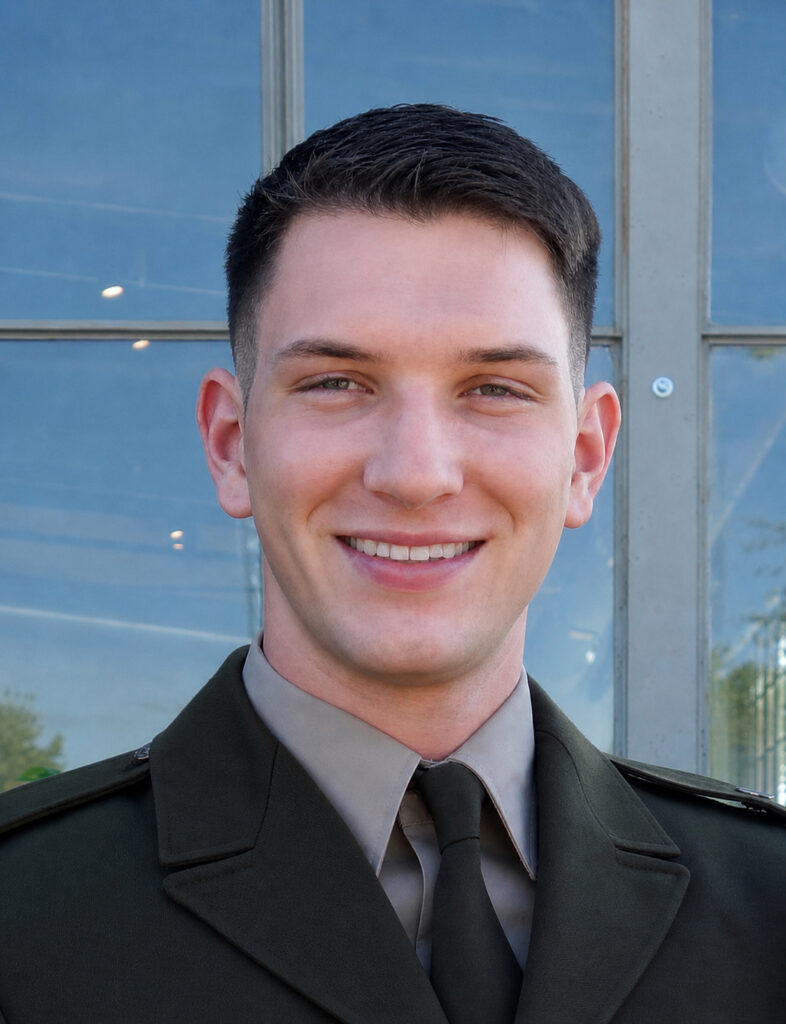
UK Criminal Justice student gains real-world experience through ATF internship 

Lexington, KY (June 16, 2026) – For University of Kentucky (UK) criminal justice student Tyler Gonzalez, classroom learning took on new meaning through a highly competitive internship with the Bureau of Alcohol, Tobacco, Firearms and Explosives (ATF). 

Gonzalez, a criminal justice major with a military leadership minor at the UK College of Social Work (CoSW), completed the internship last semester. The experience gave him a firsthand look at federal investigations, evidence review, field operations, and the connection between criminal investigative work and prosecution. 

“During my internship with the ATF, I had the opportunity to follow the agents’ cases from start to finish, gaining a clear view of how federal investigations operate,” Gonzalez said. “By assisting with the review of digital evidence and recorded calls, I learned about the technology and investigative processes used to track and dismantle criminal networks.” 

The ATF offers students the opportunity to gain experience in a competitive federal law enforcement internship program, where interns work alongside professionals and develop skills in areas such as critical analysis, problem solving, business writing and emerging technologies. For Gonzalez, the placement offered an opportunity to connect his academic preparation with real-world criminal justice work. 

In addition to reviewing digital evidence and recorded calls, Gonzalez attended operational briefings and monitored controlled purchases of evidence through various electronic investigative techniques. The experience allowed him to observe the coordination, preparation, and situational awareness required during field operations. He also attended courthouse hearings, which helped him better understand how investigative work supports the prosecution process. 

“All these experiences have allowed me to apply what I have learned in my criminal justice classes to real-world scenarios, reinforcing the importance of detail, teamwork and professionalism,” Gonzalez said. “This internship has solidified my commitment to a career in public service and to developing a professional foundation that I will carry with me in any role ahead.” 

This summer, Gonzalez will attend Cadet Summer Training at Fort Knox before traveling to Joint Base Lewis-McChord in Washington for Cadet Troop Leadership Training, where he will shadow a military intelligence officer, learn about the day-to-day responsibilities of a platoon leader and gain firsthand insight into the military intelligence branch. 

Set to graduate in spring 2027, Gonzalez has distinguished himself as an exceptional student and leader. He has earned Dean’s List recognition each year from 2024-26 and is the recipient of the William C. Parker Scholarship and the National Army ROTC Scholarship

He also serves as the HHC commanding officer in the Wildcat Army ROTC Battalion and as the Kentucky Rangers commanding officer in the ROTC Fraternity. 

Victoria Collins, Ph.D., executive director and chair of the criminal justice programs, said Gonzalez’s success reflects both his personal dedication and the value of criminal justice internships. 

“Gonzalez has an incredible work ethic, character and commitment to public service,” Collins said. “His internship with the ATF is an impressive and highly competitive opportunity for any student. I am thrilled our program has helped support his journey and expand his experiential learning.” 

The UK Criminal Justice programs launched in 2023 in response to a growing need for highly trained, workforce-ready graduates prepared to serve across law enforcement, corrections, victim advocacy, cybersecurity, investigations, community outreach, violence prevention and related fields. 

“My experience in the criminal justice program has been great,” Gonzalez said. “I have loved every bit of UK and all the opportunities that it has given me!” 

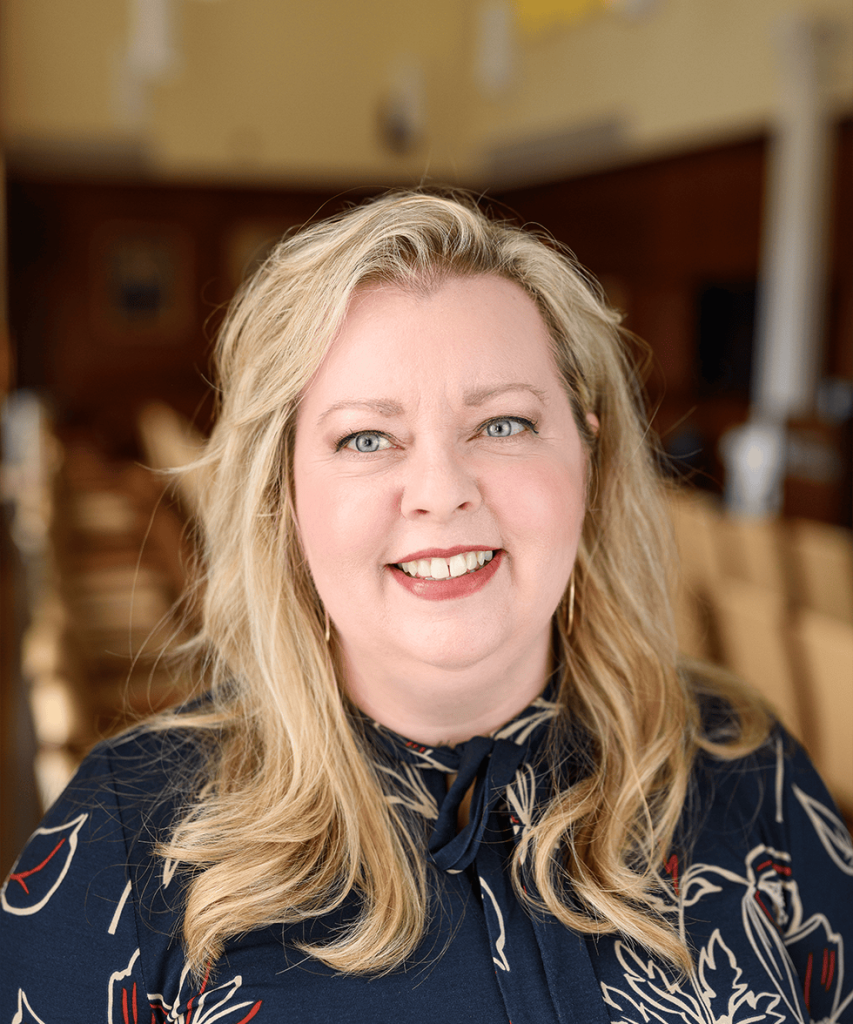
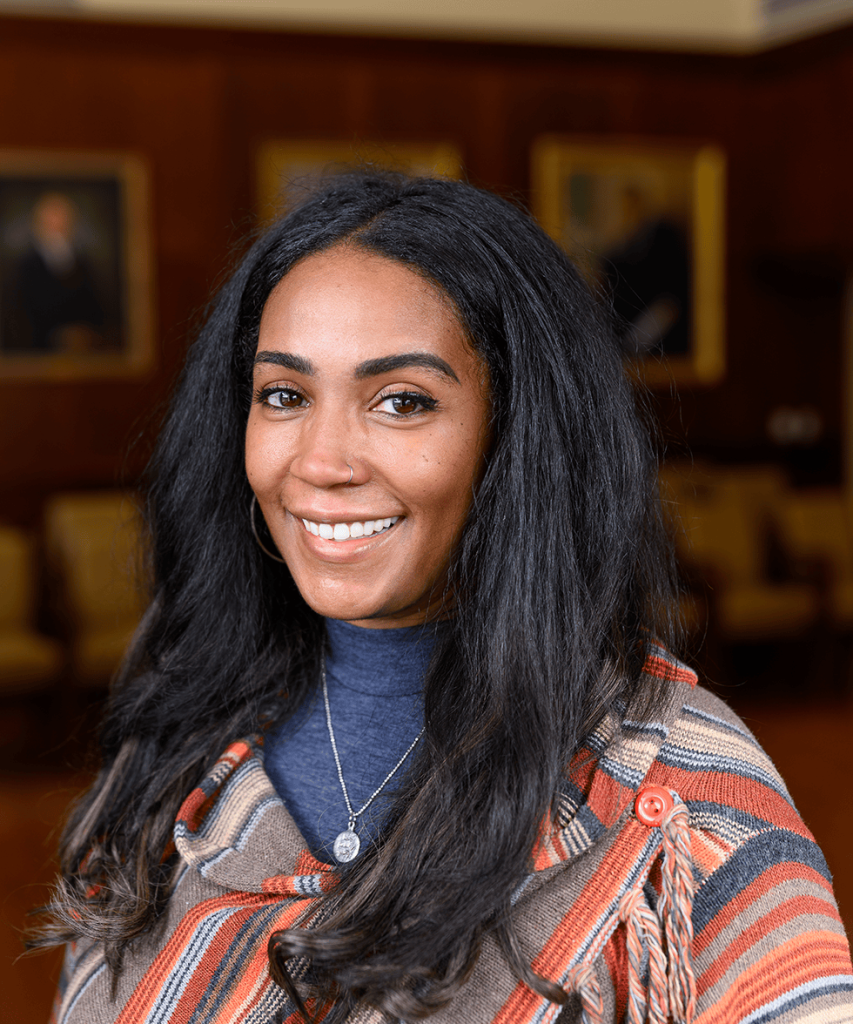
Laneshia Conner promoted to associate professor, continues advancing community-engaged research on aging, health and wellbeing

LEXINGTON, Ky. (June 15, 2026) — The University of Kentucky (UK) College of Social Work (CoSW) is proud to announce the promotion of Laneshia Conner, Ph.D., to associate professor with tenure, recognizing her outstanding contributions to research, teaching and service in the field of social work.

A Lexington native and alumna of the CoSW, Conner has emerged as a nationally recognized scholar whose work addresses community health, aging, HIV prevention and culturally responsive health education. Her research focuses particularly on improving sexual health outcomes and HIV risk-reduction strategies for older Black women and aging communities through sustainable, community-informed interventions.

“Dr. Conner’s work exemplifies the kind of scholarship that not only advances knowledge, but directly impacts our community,” said Jackie Duron, Ph.D., associate dean of faculty advancement at CoSW. “Her continued dedication to research, teaching and mentorship reflects the very best of our mission. We are proud to see her continued growth at CoSW.”

Since joining CoSW, Conner has built a nationally recognized research portfolio grounded in community-engaged practice and implementation science.

Her research program has received support from several prestigious federal agencies, including the National Institute on Drug Abuse (NIDA), the National Institute on Minority Health and Health Disparities (NIMHD) and the National Institute on Aging (NIA). Most recently, she received a multi-year grant from the NIA to further advance her work related to sexual health and aging populations.

Among her recent projects is Advancing Gerontological Health Education, an initiative supported by the UK UNITE Humanities Pilot Grant. The project addresses a longstanding gap in sexual health education for older adults, through the development of age-informed education tools like 2D flashcards. These tools are designed to support conversations around sexual health, wellbeing, hygiene practices and disease prevention in later life.

“Most sexual health education models are designed with younger populations in mind,” Conner shared. “There’s a need for resources that consider the changes that occur with age and how those changes might impact sexual health.”

Conner’s scholarship has also gained national attention for its interdisciplinary and innovative approaches to teaching and learning. One of the College’s most popular courses, Horror Films and Social Welfare, explores horror films as a framework for examining critical social issues, including racism, mental health, fear, artificial intelligence and societal responses to crisis. Since launching the course in 2021, Conner has used horror cinema as a form of critical pedagogy, helping students examine how fear is socially constructed and how media shapes public perception and social behavior.

Her work has extended to public scholarship and speaking engagements. Conner was selected as a TEDx speaker, where she shared perspectives on culturally responsive education, community engagement and advancing conversations surrounding health and social change.

In addition to her research and teaching, Conner has been recognized nationally and institutionally for her scholarship and leadership. She received the Lyman T. Johnson Award, one of the University’s longstanding honors recognizing individuals who had demonstrated outstanding leadership in inclusive excellence and impact. She was also named a 2025 mentor for the Council on Social Work Education (CSWE) and previously received national recognition from the Society for Social Work and Research for her article “Black Experiences Matter: Reflections of Black Faculty Experiences with Black Administrators.”

Conner received mentoring, multidisciplinary research training, and career development training through two internal research training programs: the DREAM Scholars Program and the BIRCWH program, one of UK’s founding programs funded by NIDA.

Conner has served as adviser to the Association of Black Social Workers at UK from its inception in 2021 through its dissolution in 2025, chaired the college’s curriculum committee and served as a faculty senator. Beyond academia, she is active in the Lexington community through youth mentorship, coaching track and field at a local high school and running her own AAU youth track and field club in the summer.

Kathryn Showalter promoted to associate professor, advances research on intimate partner violence and family wellbeing

LEXINGTON, Ky. — The University of Kentucky College of Social Work (CoSW) is proud to announce the promotion of Dr. Kathryn Showalter to Associate Professor with tenure, recognizing her nationally recognized scholarship, teaching and service focused on intimate partner violence (IPV), family wellbeing and social policy.

Over the course of her career, Showalter has established herself as a leading researcher examining the ways IPV influences poverty through employment sabotage. Outcomes of mental health, financial security, and housing stability of IPV survivors are the focus of Showalter’s research. Showalter believes that systematic policy response to protecting employment can improve the livelihood, safety, and future of families experiencing violence.

“Dr. Showalter’s scholarship exemplifies the power of research to address complex social problems and improve lives,” said Dr. Jackie Duron, Associate Dean of Faculty Advancement at CoSW. “Her work has expanded our understanding of violence prevention, family wellbeing and social policy while contributing meaningful solutions for practitioners, policymakers and communities. We are proud to celebrate this well-earned promotion and tenure.”

Showalter’s research has been published in leading journals and has earned national recognition for its contributions to the field. Most recently, she received the Council on Social Work Education’s Violence Against Women and Children Manuscript Award for her scholarship examining the experiences of survivors and the systems designed to support them. During this conference, Showalter was also recognized for serving as a 2025 Mentor for the Council on the Role and Status of Women in Social Work Education alongside colleagues Dr. Laneshia Conner, Dr. Shelita Jackson, and Dr. Kristel Scoresby.

In the past year, Showalter has contributed to multiple peer-reviewed publications focused on intimate partner violence, housing insecurity and family wellbeing. Her scholarship continues to examine how policies and support systems can improve safety, stability and long-term outcomes for IPV survivors and their children.

“Violence doesn’t occur in isolation,” Showalter said in a previous interview. “When families experience intimate partner violence, the impacts can extend into nearly every aspect of life, including housing, financial security, health and wellbeing. Understanding those connections helps us identify opportunities for intervention and prevention.”

Beyond her scholarship, Showalter has contributed to the profession through teaching, mentoring and service. She has presented her work at conferences across the country and continues to collaborate with researchers, practitioners and policymakers working to improve outcomes for survivors of violence and their families.

Through her research, teaching and service, Showalter continues to advance CoSW’s mission of improving the human condition by generating knowledge that informs practice, shapes policy and strengthens communities.

How do families support loved ones living with substance use disorders? 

LEXINGTON, Ky. — When someone is using substances or living with a substance use disorder, support often extends far beyond clinical settings. Family members, friends and loved ones may become part of a person’s day-to-day safety net, helping them navigate risk, treatment, recovery, relapse and survival. 

Researchers in the University of Kentucky College of Social Work (CoSW) are studying those support networks and asking a complex but urgent question: How do families and close friends support loved ones who use opioids or stimulants, and what do they need to provide that support more effectively? 

The ongoing study is led by Aaron Brown, Ph.D., and Lynden Bond, Ph.D., two faculty members at CoSW. Their research examines the experiences, knowledge and attitudes of people supporting family members or close friends with substance use problems involving opioids or stimulants. 

The work comes at a critical time. Substance use disorder continues to affect millions of individuals and families across the United States. According to a 2024 National Survey on Drug Use and Health, 48.4 million people age 12 or older had a substance use disorder in the past year. While national overdose deaths declined in 2024, nearly 80,000 people still died from a drug overdose, underscoring the continued need for prevention, treatment, harm reduction and recovery support. 

In Kentucky, the impact remains especially significant. The 2024 Kentucky Drug Overdose Fatality Report found that 1,410 Kentucky residents died from a drug overdose in 2024, a decrease from the previous year but still a profound loss for families and communities. Fentanyl and methamphetamine remained the most commonly identified substances in overdose deaths statewide. 

For rural and Appalachian communities, the issue is often shaped by additional barriers, including limited access to treatment, transportation challenges, economic stressors and fewer nearby health care resources. Research from the Appalachian Regional Commission has found that Appalachia has experienced disproportionately high rates of opioid misuse and overdose deaths, with Central Appalachian communities among those most affected. 

“Family members and close friends often play a critical role in supporting people who use drugs, but their experiences and perspectives are not always well understood,” Brown said. “This research helps us better understand how people provide support, what challenges they face and what resources might help them most.” 

To begin the study, Brown conducted a national survey of more than 1,200 adults across the United States. Among respondents, 318 individuals identified as having a close friend or family member who uses opioids or stimulants and agreed to be contacted for future research. 

Brown and Bond then co-led the next phase of the project with their research team, including doctoral students Abraham Teye and Blake Conley. The team conducted in-depth interviews with more than 20 participants, asking about their experiences supporting loved ones, their understanding of harm reduction strategies and the resources they have used or needed. 

For many participants, support meant learning how to respond in moments of immediate danger while also navigating the emotional weight of loving someone at risk. 

“With my brother, we were always trying to get him to stop, and he was always using,” one interview participant said. “You know, if they were still using, at least do it safely so they don’t die.” 

Another participant described learning how to use naloxone, a medication that can rapidly reverse an opioid overdose. 

“I learned that the faster you can get the Narcan into them, if they overdose, the better,” the participant said. “So, I encourage them to make sure they let other people know around them that they do have Narcan and where it’s located so that in case it is needed, they can use it.” 

The interviews also revealed how difficult it can be for family members and friends to understand what their loved ones are experiencing, especially when substance use is shaped by stigma, fear, pain or trauma. 

“I know a little bit about fentanyl, what I see on TV,” one participant said. “Do I know what it feels like? Do I know what that person is going through? No. And that is pretty important. That’s a pretty important factor. It’s like I always push people away if I didn’t think they really understood what I was going through.” 

The study builds on a growing body of research examining how substance use affects families and communities, particularly in regions where opioid and stimulant use have had profound impacts. Brown’s previous work has examined recovery support programs serving individuals in Appalachia, including initiatives that help people access housing, transportation, health care and other essential services during recovery. 

This project expands that work by focusing on the people often standing closest to those experiences: parents, siblings, partners, friends and other loved ones who may be trying to keep someone safe while also managing uncertainty, grief, stress and hope. 

“People supporting loved ones with substance use disorder are often trying to make difficult decisions with limited information and limited support,” Brown said. “By listening to their experiences, we can better understand how to connect families and communities with practical resources that reduce harm and support recovery.” 

The next phase of this work will be supported through funding from the Kentucky Opioid Abatement Advisory Commission (KYOAAC), which was established to distribute opioid settlement funds for efforts that address the impact of the opioid epidemic in Kentucky.  Brown received KYOAAC funding to build on this study by developing and testing resources specifically designed to serve Kentuckians who have family members affected by opioid use. 

The project will focus on practical harm reduction education, overdose prevention, and support strategies that can help Kentucky families navigate substance use, reduce risk, and connect loved ones with resources that support safety and recovery. 

Seven UK College of Social Work faculty members receive promotions  

LEXINGTON, Ky. — The University of Kentucky College of Social Work (CoSW) is proud to announce the promotion of seven faculty members whose contributions to teaching, research, mentorship and professional leadership continue to advance the College’s mission of improving the human condition. 

Collectively, these faculty members represent expertise spanning maternal health, intimate partner violence, child welfare, behavioral health, online education, doctoral education, workforce development and criminal justice. Their promotions recognize years of dedication to students, scholarship, community engagement and the social work profession. 

Faculty receiving promotions include: 

  • Dr. Amanda Brown, promoted to Clinical Assistant Professor 
  • Dr. Laneshia Conner, promoted to Associate Professor with tenure 
  • Dr. Laura Escobar-Ratliff, promoted to Clinical Associate Professor 
  • Dr. Shelita Jackson, promoted to Clinical Associate Professor 
  • Dr. Aubrey Jones, promoted to Associate Professor with tenure 
  • Dr. Stephanie Ratliff, promoted to Clinical Assistant Professor 
  • Dr. Kathryn Showalter, promoted to Associate Professor with tenure 

“These promotions reflect the exceptional talent, leadership and impact of our faculty,” said Dr. Jackie Duron, associate dean of faculty advancement at CoSW. “Each of these individuals has made meaningful contributions through their teaching, scholarship, service and commitment to student success. Together, they represent the strength of our College and our continued investment in advancing education, research and service that improves lives.” 

The appointments are effective July 1, 2026.  

Dr. Laneshia Conner was promoted from assistant professor to associate professor with tenure. Her work spans community health, aging, HIV prevention and culturally responsive health education, with a focus on improving sexual health outcomes and increasing health education and service programs among aging populations. 

Dr. Aubrey Jones was promoted from assistant professor to associate professor with tenure. Her scholarship focuses on maternal and child health, behavioral health systems, access to care and rural health disparities, including technology-driven interventions that improve access to postpartum support and health care services for women and families. 

Dr. Kathryn Showalter was promoted from assistant professor to associate professor with tenure. Her research examines intimate partner violence, family well-being, housing insecurity and social policy, helping advance understanding of the systems and supports that promote safety and stability for women, children and families. 

Dr. Shelita Jackson was promoted from clinical assistant professor to clinical associate professor. As director of the Bachelor of Arts in Social Work program, she continues to expand opportunities for students through mentorship, workforce development and research engagement, including the creation of the college’s Substance Use Counseling Undergraduate Training Program and support for the S.P.A.R.K. undergraduate research mentoring initiative. 

Dr. Laura Escobar-Ratliff was promoted from clinical assistant professor to clinical associate professor. As director of the college’s Doctor of Social Work program, she has helped expand the program’s national reach, strengthen doctoral education and launch new opportunities, including the college’s Sport Social Work concentration. 

Dr. Stephanie Ratliff was promoted from clinical instructor to clinical assistant professor. As director of experiential education, she oversees the college’s practicum education program and has helped expand a network of more than 3,000 practicum partners while supporting the largest practicum cohort in college history. 

Dr. Amanda Brown was promoted from clinical instructor to clinical assistant professor. As director of the Master of Social Work program, she has helped strengthen graduate education through Quality Matters certification initiatives, graduate certificate development and innovative workforce-focused programming. 

Together, these faculty members have secured national awards, led innovative academic programs, published impactful scholarship, expanded workforce development initiatives, improved online learning and educational accessibility and mentored countless students pursuing careers in social work and criminal justice. 

Their achievements reflect the breadth and depth of the College’s impact – from advancing research that informs policy and improves lives to preparing the next generation of practitioners, leaders and scholars. 

Please join us in congratulating Drs. Conner, Jones, Showalter, Jackson, Escobar-Ratliff, Ratliff and Brown on their well-deserved promotions. 

UK social work faculty co-edit new text advancing justice-informed practice

LEXINGTON, Ky. (June 05, 2025) — Faculty members in the University of Kentucky College of Social Work (CoSW) are contributing to the next generation of social work education through a newly published edited volume, “Social, Racial, Economic, and Environmental Justice: Building Social Work Practice Skills.”

The book is co-edited by Kalea Benner, Ph.D., dean of Indiana University, and two UK College of Social Work faculty members: Natalie Pope, Ph.D., associate professor and director of the Ph.D. program, and Diane Loeffler, Ph.D., senior lecturer.

The text offers a foundational approach to justice-informed social work practice by bringing together experts from across the profession who emphasize the importance of understanding systemic barriers, the complex challenges individuals and communities face within those systems and how those experiences shape social work practice.

Designed as an entry point for students and practitioners, the text centers justice as a multidimensional framework that encompasses social, racial, economic and environmental dimensions. It also examines how structural inequities shape client experiences across systems.

“Our work is part of an ongoing commitment to preparing students to engage critically with the systems they will enter as practitioners,” Pope said. “Justice-informed practice requires both foundational knowledge and the ability to recognize how policies and structures can create or perpetuate harm.”

The textbook moves from key theoretical and conceptual underpinnings into applied discussions across major systems in which social workers operate, including education, criminal justice, child welfare, housing, health and environmental contexts.

“Each chapter integrates historical and policy perspectives with practical recommendations,” Loeffler said. “It was important to us that readers are equipped with tools to identify and respond to complex challenges in real-world settings, not just in theoretical contexts.”

Pope’s scholarship has been widely recognized for its impact in the field. She received the 2021 Rose Dobrof Award from the Journal of Gerontological Social Work for her co-authored article, “‘Just Like Jail’: Trauma Experiences of Older Homeless Men,” which examined the cumulative trauma experienced by men over age 50 with histories of homelessness. The award honors methodologically rigorous and innovative research that advances the field of gerontological social work.

Loeffler, a recipient of the University of Kentucky’s Outstanding Teaching Award, brings a strong emphasis on experiential learning and community-engaged research to both her teaching and scholarship. Her work connects classroom instruction to broader systems and policy conversations, helping students understand how their roles as social workers, advocates and policymakers can drive meaningful change.

In 2025, Loeffler participated in the Rural Investment Summit in Memphis, Tennessee, collaborating with leaders across banking, philanthropy and nonprofit sectors to address long-term economic and infrastructure challenges facing rural communities. Insights from this work inform her teaching, providing students with a deeper understanding of how large-scale policy and investment decisions translate into community-level outcomes.

Following the 2022 Eastern Kentucky floods, Pope and Loeffler led a qualitative research project examining how nonprofit and volunteer sector leaders responded to the disaster. The project was embedded within a doctoral research course, allowing students to serve as co-investigators, conduct interviews, contribute to data analysis and engage directly with community-based research in real time. Findings from the project have been presented at regional and national conferences and published in the “Troublesome Rising” anthology, with additional publications forthcoming.

Together, Pope and Loeffler’s new text builds on this shared commitment to bridging theory, research and practice. By emphasizing structural inequities and offering actionable strategies, the book prepares students to approach social work with a critical, justice-centered lens.

Global Service, Kentucky Roots: The Enduring Legacy of Martin and Patsy Tracy 

Martin and Patsy Tracy’s story begins the way many meaningful lives do: in the space between two people learning how to put their beliefs into words and their words into action. 

At the beginning of their story, before there were passports and placements, before there were research programs and systems to reform, there was debate team. 

Martin and Patsy met on April 1, 1962, at a debate tournament in Morehead, Kentucky. Patsy was studying at Berea College; Martin was at Murray State. Somewhere between arguments and ideas, they found a shared rhythm. They exchanged information. Then came the letters. 

Thin paper folded and sealed, carried across distance between two people bound by curiosity, conviction, and a sense of responsibility to the world around them. Martin kept each one. Patsy wrote fifty-one. In those pages, she offered more than updates; she offered a mind in motion – twenty poems tucked among her sentences, three of them her own, and references to two dozen writers, as if the world itself could be expanded line by line into something truer, kinder, more awake. 

Martin knew early that he had found a partner whose intellect matched her independence. Patsy, driven and self-directed, wasn’t looking to settle down quickly. She once confided she needed seven years before she would even consider marriage. But through writing and a shared pull toward community, social services, and meaningful work, they began to recognize something larger forming between them. 

Eventually, Patsy transferred to Murray. In time, they married. And soon after their undergraduate years, they chose a path that would shape the rest of their lives: they joined the Peace Corps. 

From 1965 to 1967, Martin and Patsy served together in Turkey. 

They did not arrive as experts. They arrived as listeners. 

“I spent hours playing dominos,” Martin remembers. The village that welcomed them did not need saving so much as it needed partnership, and this distinction would become a quiet cornerstone of their lives. In cafés thick with cigarette smoke and conversation, Martin learned that development does not begin with blueprints, but with trust. 

Patsy watched just as closely. She observed how women cooked, shopped, and stretched limited resources into sustaining meals. She noticed the rhythms of daily life, the unseen labor, and the ingenuity already present. Where Martin built relationships in public spaces, Patsy built them in kitchens, markets, and homes – listening, learning, and noticing where small changes could make a meaningful difference. 

They were placed in the Cappadocia region, known for its striking “fairy chimneys” and cave dwellings. Tourism was beginning to grow, but the infrastructure to support it was limited. When local restaurants had no menus, Martin and Patsy helped design them first in Turkish, then in English. When visitors came to see the chimneys and cave homes, they suggested restaurants begin preparing boxed lunches for travelers heading out on long tours. 

These were small interventions, almost invisible ones. But they rippled outward. Income stabilized. Confidence grew. And the message was clear: they were not there to change the community’s ways, but to help strengthen what already existed. 

It was a lesson they carried for the rest of their lives: people support what they help build. 

When they returned to the United States, they brought back more than language skills. They returned with a recalibrated understanding of humility in service. Graduate school followed, not as a pivot, but as a continuation. Martin earned an MA and PhD from the University of Illinois. His work increasingly focused on social protection systems – how nations care for aging populations, support workers, and structure services that uphold dignity. 

He went on to serve as a senior research analyst with the Comparative Studies Staff in the Office of Research and Statistics at the U.S. Social Security Administration, and later with the International Social Security Association in Geneva, Switzerland. His work placed him in global conversations about retirement systems, labor policy, and social welfare structures across nations. 

Patsy, meanwhile, continued building bridges in the spaces around him. She taught English as a Second Language to students whose futures depended on fluency. Her classrooms were more than academic, they were cultural onramps. She helped newcomers learn not only grammar, but the subtleties of belonging, drawing on her own experiences adapting to life in Turkey. 

In Geneva, when Swiss regulations made formal employment difficult, she did what she had always done: she created her own opportunities. She advertised, gathered students, and began teaching independently. Where systems closed doors, she opened windows. Where formal pathways were limited, she built informal ones. Again and again, she ensured that the people around her were seen, supported, and connected to resources. 

In 1982, Martin began his academic career at the University of Iowa, where he became professor and director of social work programs. He later held the same leadership role at Southern Illinois University Carbondale, guiding the growth of programs that connected research, policy, and practice. His scholarship and administrative leadership focused on strengthening how social services systems functioned and how research could inform real-world care. 

Patsy’s path during those years ran alongside his, just as purposeful. She earned her LCSW and later trained in art therapy, working with survivors and individuals navigating addiction, trauma, and mental health challenges. Funding was often scarce. Creativity was not. Programs were built from conversations, not assumptions. Grants were won through storytelling and demonstrated need. She saw the people behind the challenges they faced and made sure they were not overlooked. 

Together, they kept returning to the same principle: community should be the author, not the audience. 

From 1999 to 2008, Martin served as a consultant to the International Labour Office in Budapest, contributing to a major project aimed at strengthening social services and civil society across eight countries in Southeastern Europe, including Albania, Bosnia and Herzegovina, Bulgaria, Croatia, Macedonia, Moldova, Romania, and Serbia and Montenegro. In 2004, he was named a Fulbright Senior Specialist at the University of Bucharest. His career also included recognition as a member of the National Academy of Social Insurance and a Fellow of the Genealogical Society of America. 

In 2001, he returned to Kentucky to serve as Associate Dean for Research at the University of Kentucky’s College of Social Work, a role he held until his retirement in 2004. There, he focused on building research infrastructure that connected faculty and students, inquiry and practice, and policy with the communities it was meant to serve. 

Patsy remained deeply engaged in the communities they called home. Whether through teaching, counseling, volunteering, or organizing, she had a way of noticing who was missing from the room and finding a way to bring them in. She did not need to be at the center to be a leader; she worked from the edges, making sure the systems they helped build never lost sight of the people they were meant to support. 

Even in retirement, service did not recede. In Murray, Kentucky, they joined civic clubs, United Way efforts, Rotary, environmental initiatives, and church-based outreach. Patsy’s impact in community life was widely recognized, including being named State Newcomer of the Year for her engagement and leadership. Their commitment to the Commonwealth endured in tangible ways through the creation of the Martin Booth and Patsy Dills Tracy Scholarship at the University of Kentucky College of Social Work. The scholarship supports undergraduate and master’s students from rural Kentucky counties with populations under 100,000 who are engaged in research aimed at improving quality of life for rural Kentuckians. It also supports doctoral students studying social services or income support systems in rural communities in the United States or abroad, particularly those preparing for careers in social work education.

Later, as their needs changed, they relocated to Orlando, Florida, to be closer to family, carrying with them the same ethic of service and civic responsibility that had defined every place they called home. 

Ask them what sustained this lifetime of engagement, and they do not point to titles or accolades. They speak of parents who modeled civic duty. Mentors who nurtured curiosity. Early jobs that taught respect for work and for people. They speak of humility, of “good practices” rather than “best practices”, and of resisting the urge to arrive with answers. 

Service, for the Tracys, was never a performance. It was a posture. 

And perhaps that is the truest arc of their story: not a climb toward prestige, but a widening circle of care—drawn again and again around whoever stood in need of partnership. 

PhD student awarded second place for National Poetry Contest for Social Workers 

Lexington, KY – Poetry has long been a way for people to make sense of the world through emotion, memory and shared human experience. For University of Kentucky College of Social Work (CoSW) Ph.D. student Abraham Tetteh Teye, it is also a way to process the beauty, heaviness, heartbreak and hope that social workers encounter every day.  

A native of Ghana, Teye’s academic and professional journey has been shaped by a commitment to child welfare, social justice, human rights and the experiences of vulnerable populations. Before beginning his doctoral studies at CoSW, he completed the Erasmus Mundus Advanced Development in Social Work program, studying across multiple European universities.  

Those international experiences deepened his understanding of migration, poverty, inequality and other global social issues – perspectives that continue to inform both his scholarship and creative writing. 

“For me, poetry is both reflective and restorative. It allows me to process complex emotions, social realities, and human experiences in ways that academic writing does not allow.” Teye shared. “I see poetry as a form of storytelling, one that creates space for vulnerability, memory, resistance, and hope.” 

Teye’s poem, Presaging, earned second place in the 2026 National Poetry Contest for Social Workers and was published by The New Social Worker as part of its National Poetry Month feature highlighting the contest’s top three poems.  

The poem bears witness to the emotional weight of a client session in a way many social workers, counselors and helping professionals will immediately recognize. 

Teye opens with “I ask the alphabetical construction of her human dignity.” 

In a single line, he transforms routine documentation into something deeply human, asking readers to consider what it means to reduce a life, a wound, or a story into an assessment that can fit neatly onto paper. 

From there, Presaging unfolds in the tender quiet between counselor and client. Through fragments of memory, silence, and lived experience, Teye sketches the portrait of a young person confronting a life-altering reality.  

Without revealing the particulars of her story, he invites readers to sit in the weight of it — the devastation of betrayal, the heaviness of shame and the silence that often follows. 

Yet the poem refuses to leave its subject trapped there. Teye writes, “I refuse the stones of stigma and the sharp edge of judgment,” rejecting the impulse to define people by their worst moments or deepest wounds.  

Instead, he offers something gentler and perhaps more powerful. “I offer a different construction: a chair, a breath, a witness.” 

Teye closes his poem with a powerful reflection: “I am the keeper of her silence, until she finds her voice.” It is a line that leaves us with the reminder that even during uncertainty, stigma and suffering, a person’s story is not yet finished. 

To be recognized nationally in the 2026 National Poetry Contest for Social Workers is a remarkable accomplishment. Yet perhaps even more meaningful is the reminder Teye offers the profession itself: that social workers are not only practitioners and researchers, but storytellers, creators, witnesses and protectors of human dignity.  

As he continues his work as a researcher, educator and advocate, Teye hopes to use both scholarship and creative expression to contribute to conversations about social justice and the human experience — one story, and one poem, at a time. 

UK College of Social Work faculty member receives national CSWE Disability Manuscript Award

LEXINGTON, Ky. — Alison Wetmur, DSW, LCSW, visiting lecturer at the University of Kentucky College of Social Work, has been selected as the recipient of the 2026 Disability Manuscript Award from the Council on Social Work Education (CSWE).

The national award recognizes outstanding scholarship that advances understanding and inclusion of disability within social work education, research and practice.

The winning manuscript, “The Experiences of Growing Up Deaf in a Hearing-Abled Family: A Phenomenological Study,” was published in the Journal of Sociology & Social Welfare. The study interviewed 14 d/Deaf adults born into hearing-abled families, exploring the lived realities of growing up with a different ability status than other family members. Respondents spoke about childhood feelings of shame and isolation, frustrations with language access, and traumatic experiences that are commonplace in the Deaf community but largely unrecognized in the hearing-abled world. Informed by critical disability theory and Disability Justice principles, the study provides standpoint epistemology of the experience of growing up disabled in a hearing-abled family, research grounded in Wetmur’s own lived experience as a d/Deaf person raised in a hearing-abled home.

Wetmur’s work centers on Disability Justice, trauma, and expanding access to culturally responsive social work services for d/Deaf and hard-of-hearing communities. Her scholarship and professional leadership have focused on strengthening disability-informed education, critiquing social work’s foundational frameworks through a Disability Justice lens, and improving clinical practice through ASL/English bilingual approaches. A particular focus of her work is language deprivation and its consequences for the social, emotional, and developmental well-being of d/Deaf and hard-of-hearing children.

“As a DeafDisabled scholar, my lived experience is not separate from my scholarship, it is the scholarship,” Wetmur said. “Disability Justice is not a niche concern. It is a fundamental question about what social work is for, and it asks us to stop treating access as an afterthought and start treating it as a measure of whether our systems are working at all. I am honored by this recognition, and I hope it opens more space for disabled scholars to bring their full expertise to the profession without having to soften the critique.”

Born deaf to hearing parents and raised orally, Wetmur learned American Sign Language at age 23 after earning her bachelor’s degree in English literature from Drew University. After working in residential social services settings, she earned her Master of Social Work from Rutgers University before beginning clinical work at American School for the Deaf in West Hartford, Connecticut — the oldest school for the Deaf in the United States.

At the American School for the Deaf, Wetmur worked extensively with d/Deaf and hard-of-hearing middle and high school students experiencing significant behavioral, developmental and emotional challenges. She later returned to Rutgers University to earn her Doctorate of Social Work in 2022.

In addition to her teaching and scholarship at UK, Wetmur was appointed Inaugural Chair of the National Association of Social Workers National Committee on Disabilities in February 2026. She also serves on the Board of the Social Work Grand Challenges and as Team Lead for the Disability Justice cross-cutting group of the Social Work Grand Challenges Futures Initiative, where she contributes expertise related to disability-focused social work research and practice innovation. Wetmur is also co-founder of the Social Work Disability Justice League, a national professional organization advancing Disability Justice principles within the social work field. Wetmur’s scholarship has also extended internationally. In July 2025, Wetmur and collaborator Kristel Scoresby presented posters at the International Congress on the Education of the Deaf in Rome, Italy.

The Council on Social Work Education Disability Manuscript Award recognizes authors whose work significantly contributes to disability scholarship and advances the profession’s understanding of disability-related issues.

Social Work student becomes first Deaf Peer Support Specialist to earn CADCA I in Kentucky 

LEXINGTON, Ky. — For most of her life, Patricia “Trish” Ison has been guided by a simple instinct: to help. 

It was not always easy to do. 

As a Deaf woman navigating recovery, Ison often encountered a system that was not built with her in mind—one where access to care could feel out of reach, and where language and cultural understanding were too often missing. Those experiences, she said, did more than challenge her. They reshaped her sense of purpose. 

“I know what it feels like to need help and not be able to access it,” Ison said. “No one should have to go through that kind of struggle alone.” 

Now, as a student in the Bachelor of Arts in Social Work (BASW) program at the University of Kentucky, Ison is working to change that reality—not only for herself, but for others who have faced similar barriers. 

This spring, she became the first Deaf Adult Peer Support Specialist in Kentucky to earn the Certified Alcohol and Drug Counselor Associate I (CADCA I) credential, a milestone that marks both a personal achievement and a broader step forward for accessibility in addiction recovery services. 

Ison was a participant in the CoSW’s Substance Use Counseling Undergraduate Training Program, which prepares students for careers in behavioral health and addiction counseling and eligibility for the Certified Alcohol & Drug Counselor Associate I (CADCA I) credential.

For Ison, the credential carries meaning beyond its professional weight. 

“This is more than an achievement,” she said. “It’s about growth, purpose and becoming the kind of professional who can truly make a difference.” 

Her interest in social work grew out of the lived experience of navigating chronic challenges, seeking support, and of recognizing the gaps that exist for Deaf individuals in mental health and recovery spaces. Over time, that awareness sharpened into a clear focus: addiction counseling and advocacy for Deaf communities. 

“I am very passionate about making sure Deaf people have access to services that respect our culture, our language and our lived experiences,” she said. 

At the University of Kentucky, where she is pursuing her BASW with a focus in addiction counseling, Ison has found both direction and support. Though she said the university had long been part of her family’s story, her decision to enroll was ultimately her own. 

“After doing my own research, I felt strongly that UK was the best fit for me,” she said. “And that has proven to be true.” 

Still, she is quick to point to the people who helped her reach this point – family, mentors and a support system that encouraged her to keep going, even when the path ahead was uncertain. 

“Honestly, I never thought I would be here,” she said. “Being a trailblazer and helping open doors for future Deaf students. This isn’t just for me. It’s for them, too.”