

International Institute for Sport and Behavioral Health
Home Centers & Labs International Institute for Sport and Behavioral Health
The International Institute for Sport and Behavioral Health is dedicated to fostering international and interprofessional collaborations that promote the holistic health, wellbeing, and development of everyone who participates in sport, recreation, and physical activity around the world. As athletes, coaches, sport managers, and parents/caregivers continue to recognize the importance of behavioral and mental health, the institute embraces the responsibility of pioneering innovative research, education, and services that competently address the dynamic needs of all sport participants.Further, holding the belief that all individuals and communities are equity-deserving, the institute seeks to amplify the voices and institute the lived experience of those who are minoritized and marginalized throughout society.


"At the Institute, we’re committed to building collaborative environments that drive research, global partnerships, and evidence-based practices in sport. Our work ensures all sport participants are supported through innovation, education, and sustained impact."
- Dr. Matt Moore, Co-Director, President of the Alliance of Social Workers in Sport
The International Institute for Sport and Behavioral Health holds a few primary priorities and objectives.
"Sport has the power to shape lives and communities in profound ways. Our work focuses on creating positive, supportive environments where athletes can thrive, and where the values of teamwork, resilience, and well-being are prioritized."
- Dr. Tarkington Newman, Co-Director, Sport Social Work Research Lab
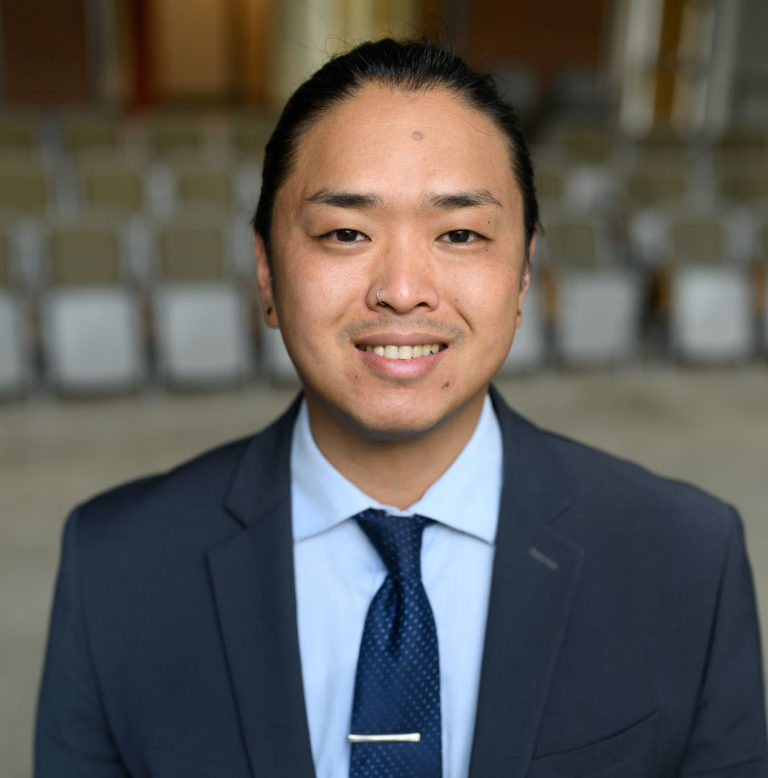
The International Institute for Sport and Behavioral Health brings together several of the leading sport social work initiatives across the globe. This includes:
- The UK CoSW Sport Social Work Research Lab
- Partnership with the Alliance of Social Workers in Sports
- The Sport Social Work Journal
- Engagement with world-class leaders in sport social work and related disciplines through faculty affiliates and external advisors.
Current Projects & Publications
Community Sport-Based Positive Youth Development
Movember Game Changers
Through a co-designed community-based youth sport program, the purpose of this project is to design-implement-evaluate sport programming that enhances emotional flexibility, mental fitness, and healthy identity construction among boys from historically marginalized communities of color.
High School Athlete Social Justice Promotion
High School Athlete Activism
Informed by critical positive youth development, the study explores the motivation of athletes to engage in activism (e.g., lived experience with exclusion, sense of responsibility) and the structures that facilitate activist efforts (e.g., involvement in interscholastic sport, relational support).
College Athlete Mental Health
Understanding College Athlete Mental Health
As a forthcoming publication, the study constructs a shared understanding of ‘college athlete mental health’ among athletic department personnel (e.g., athletes, coaches, administrators) and highlights the importance of holistic wellbeing and the ability to thrive in daily life.
International Youth Sport
Quality Youth Sport Programming
Results from a Delphi study among scholars from 18 countries recommend seven key quality indicators for youth sport programs worldwide, including (1) appropriate organizational structure; (2) deliberate instructional design; (3) safe program climate; (4) equity and accessibility; (5) focus on enjoyment; (6) development of holistic outcomes; and (7) supportive of adult leaders.
Sport Social Work
Evidence-Based Sport Social Work Practice
As a special issue in the Sport Social Work Journal, the collection of articles builds upon the three common roles fulfilled by sport social workers (i.e., sport for development, licensed mental health services, social justice promotion) to showcase innovative interventions, novel measurement tools, and unique teaching pedagogy used throughout the emerging subspecialty.
Mental Health Literacy in Sport
Global representation in mental health and elite sport and parasport.
These research articles explore global perspectives on mental health in elite sport and parasport, highlighting disparities, cultural influences, and access to care. The articles also examine the epidemiology of mental health symptoms and disorders among elite athletes, along with the growing emphasis on mental health literacy within high-performance environments.
Parasport and Sport Inclusivity
Enhancing paralympic sport: The crucial role of sport social workers.
These research articles highlight how sport science can foster greater inclusivity by advancing adaptive strategies that support the performance and well-being of disabled athletes. The also emphasize the essential role of sport social workers in promoting equity, advocacy, and holistic development within Paralympic sport.
College Athlete Mental and Behavioral Health
Support networks and mental well-being: A study of college athletes and depression.
Navigating darkness: College athlete suicide, support systems, and shadows of depression.
Mental health education and self-reported depressive symptoms among college athletes.
These research articles examine the intersection of depression, suicide, and mental health education among college athletes, with a focus on how support systems influence well-being and outcomes. Through research and personal narratives, the articles highlights the urgent need for comprehensive mental health resources and preventive education in collegiate sports.