LEXINGTON, Ky. — During National Foster Care Month this May, the College of Social Work sat down with Dr. Taylor Dowdy-Hazlett, CoSW assistant professor, to learn more about her research on the wellbeing of children and youth involved in the foster care system.
1. Can you tell us a little about yourself and your research priority area?
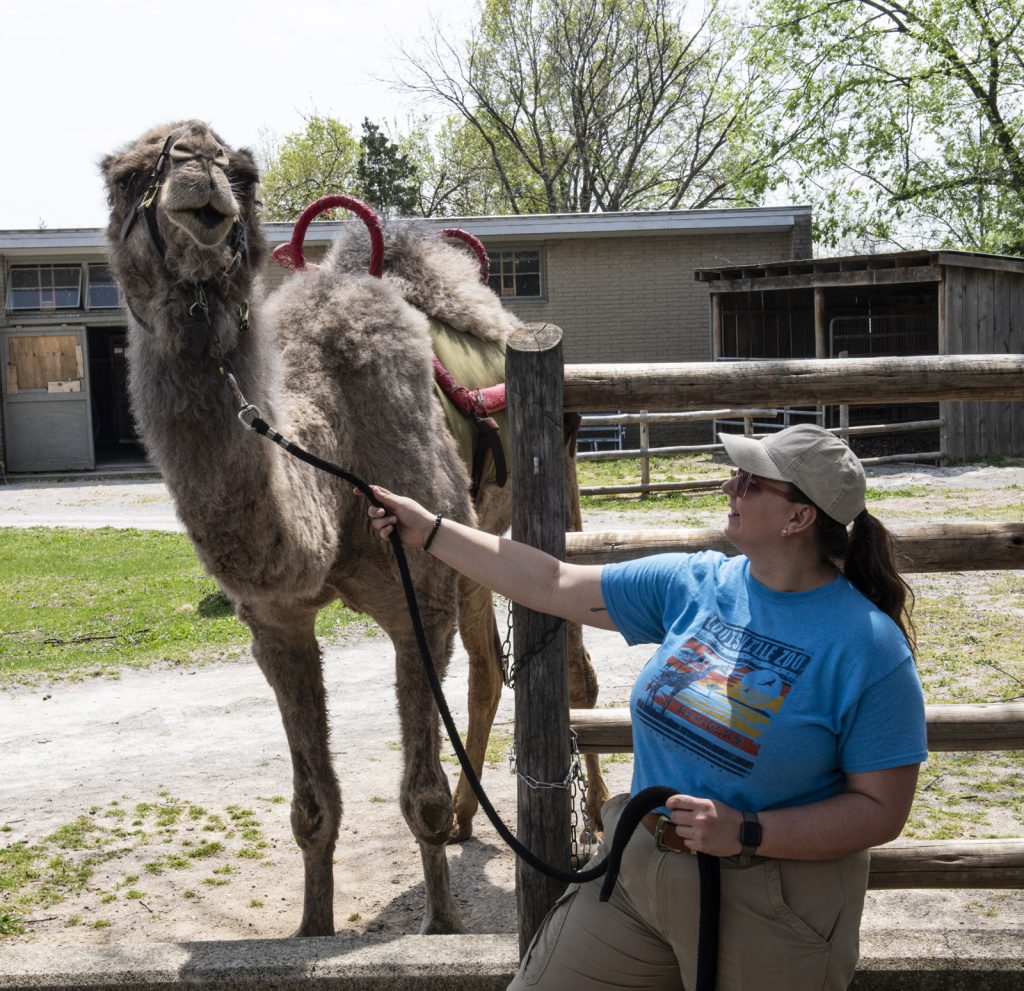
I’m Dr. Taylor Dowdy-Hazlett, a third-year assistant professor at the College of Social Work. My research focuses on the wellbeing of children and youth involved in the foster care system. I take a holistic approach, examining everything from the effectiveness of mental health interventions for youth to the challenges faced by foster parents, all with the goal of identifying supports that can stabilize placements and improve outcomes.
2. What are the current projects you are working on?
That’s a loaded question! I’m currently continuing work on a group therapy intervention my team from Florida State University and I adapted specifically for youth in foster care. I’m also collaborating with CoSW Centers & Labs to evaluate the Foster Parent Mentor Program and Kinship Navigator program. I am working alongside Dr. Shelby Clark on several projects, one of which involves exploring youth transitioning from foster care into adulthood and their support needs.
Additionally, we recently received a grant to explore how natural disasters affect the child welfare system—looking at everything from how families are contacted about their children in care to how caseworkers manage their responsibilities while ensuring their own families are safe.
3. What inspired you to begin research around foster care?
Prior to getting my Ph.D., I worked directly in child welfare and served as a clinician for children impacted by the foster care system. That frontline experience greatly informs my research. I’m driven to help build a system of care that truly supports and empowers children and families, offering the resources they need to thrive.
4. How do you hope this research impacts current and former foster youth?
I aim to amplify the voices of youth with lived experience in care—allowing them to share their stories and identify the gaps in the system. I believe in co-creating solutions that make the system less traumatic and more supportive. Ultimately, I hope my research contributes to a child welfare system that prioritizes the wellbeing and dignity of every young person it serves.
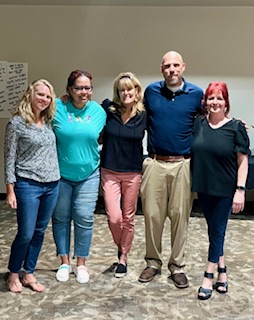
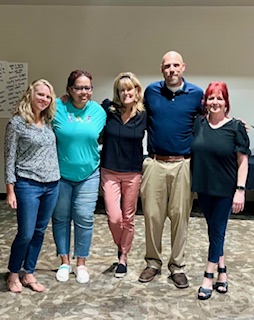
5. What are some resources available at the UK College of Social Work for foster and adoptive families?
6. May is National Foster Care Month; how does your research contribute to the goals of this month?
National Foster Care Month is a time to honor the resilience of children and youth in care, as well as the dedication of those who support them—foster parents, agencies, and caseworkers to name a few. It’s also a critical moment for raising awareness about the needs of youth in foster care, from advocacy and reunification support to resources for those aging out of care. My research supports these goals by identifying effective interventions, highlighting systemic gaps, and advocating for evidence-based improvements.
7. What does National Foster Care Month mean to you?
Every child in foster care has a unique story shaped by trauma and separation from their family. Unfortunately, there’s often stigma surrounding families involved in the child welfare system—yet many are navigating generational trauma with limited support. National Foster Care Month is a powerful reminder that these youth didn’t choose to be in care or to be placed with strangers. Their voices and experiences matter deeply. For me, this month is about recommitting to research that centers their needs and helps build a more compassionate, effective system.
8. Anything else you would like to add regarding your research or National Foster Care Month?
If anyone is interested in my research or exploring opportunities for collaboration—whether through program evaluation, intervention development, or applied research—I would love to connect. Please reach out to tdhazlett@uky.edu. I welcome partnerships that aim to improve outcomes and enhance support systems for youth in foster care. National Foster Care Month is a time to come together as researchers, practitioners, and advocates to drive meaningful change, and I’m always open to working with others who share that mission.