SEARCH RESULTS FOR:

Search Results

DSW scholar will present research on high sensory processing sensitivity in athletes during three-day virtual showcase

LEXINGTON, Ky. – Over three days, more than 200 doctoral candidates in the University of Kentucky’s online Doctor of Social Work (DSW) program will present their capstone research during the 5th Annual Virtual Showcase of DSW Scholars, held April 27–29, 2026. Registration is free and opens April 20. 

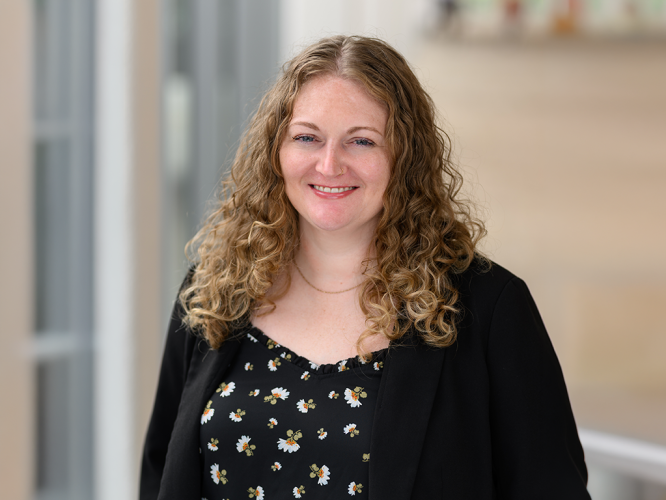
DSW scholar Kristine Proctor’s capstone focuses on high sensory processing sensitivity (SPS)—a temperament trait characterized by deeper processing and heightened responsiveness—and explores how understanding it in athletes can improve mental health, coping, and performance.

Proctor’s research is rooted in both clinical experience and personal insight.

In her private practice, Proctor noticed a pattern among clients who continued to experience physical symptoms of stress and anxiety even after addressing underlying concerns. That observation led her to explore SPS more deeply.

“Many clients have found that recognizing these sensations as overstimulation rather than anxiety is life-changing and has empowered them to respond more effectively,” Proctor shared.

Through this work, Proctor also came to better understand her own experiences as a high SPS individual, further strengthening her connection to the research and its applications in sport.

Despite growing awareness around athlete mental health, Proctor notes that current models often fail to account for how some athletes process and respond to their environments.

High SPS, she explains, is frequently misunderstood, leading to athletes being labeled as anxious, unfocused or inconsistent, rather than recognizing the underlying dynamics at play.

“What is often misunderstood in sport, such as overthinking, emotional intensity, or variable performance under pressure, may actually reflect high SPS athletes’ deeper processing and heightened responsiveness to environmental input,” she said. “This reflects a highly attuned nervous system, not a dysfunctional one.”

Her work reframes these traits as strengths, highlighting how deeper processing can support skills like pattern recognition, anticipation and strategic decision-making when athletes are supported in the right environments.

Beyond individual athletes, the research has broader implications for teams, coaches and organizations. Proctor emphasizes the importance of creating environments that support regulation, engagement and performance, shifting the focus from changing the athlete to understanding the interaction between the athlete and their surroundings.

The capstone process has further strengthened her ability to integrate research, theory and practice, while reinforcing her commitment to approaches that are responsive to individual and environmental factors.

Following graduation, Proctor plans to continue her clinical work and teaching while expanding research on high SPS athletes and launching an awareness initiative to promote more practical, strengths-based strategies in sport.

At the center of her work is a message that extends beyond athletics:

“Understanding how individuals process their environments is essential to supporting both well-being and performance,” she said. “When we shift from asking ‘What’s wrong with this athlete/person/me?’ to ‘What’s happening within the individual–environment interaction?’, we create space for more accurate understanding and more effective support.”

The Virtual Showcase of DSW Scholars will feature more than 200 presentations and is open to the public, with continuing education credits available for attendees. Registration will open on April 20th. Registration information and showcase news will be shared via email. Those interested in staying informed can subscribe to the College’s email list at https://ukcosw.com/subscribe and select “DSW Showcase and News.”  

Note: The perspectives presented in this research are those of the individual scholar and do not necessarily reflect the views of the University of Kentucky. 
DSW scholar will present research on concurrent trauma in helping professionals during three-day virtual showcase

LEXINGTON, Ky. – Over three days, more than 200 doctoral candidates in the University of Kentucky’s online Doctor of Social Work (DSW) program will present their capstone research during the 5th Annual Virtual Showcase of DSW Scholars, held April 27–29, 2026. Registration is free and opens April 20. 

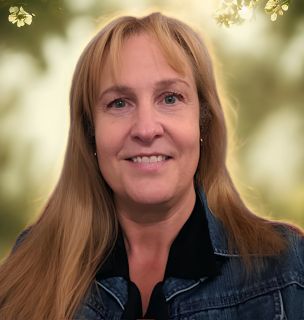
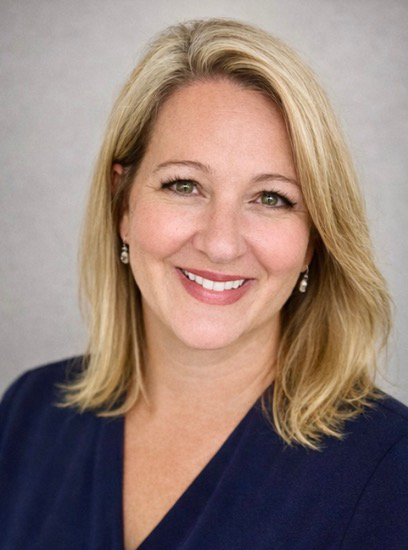
Among them, Joy Alexakis explores concurrent trauma, a concept that she coined which describes what happens when helping professionals experience personal trauma while also simultaneously supporting others through trauma, and how to prepare professionals to navigate both at the same time.

For Alexakis, the work is deeply personal.

While working as a trauma therapist, Alexakis and her family experienced a significant life event that affected all aspects of their daily lives. At the same time, she continued supporting clients through their own trauma.

“I found it incredibly challenging to hold both realities,” she said. “There was no clear framework for how to navigate personal trauma while continuing to show up professionally.”

That experience, along with conversations with other professionals, revealed a common but largely unaddressed challenge across the field.

While social work has long explored burnout and secondary trauma, Alexakis’s research highlights a gap in how the profession understands and supports those experiencing both personal and professional trauma at the same time.

Her work introduces a shared language and practical strategies to help professionals better understand and respond to this experience, strengthening both their well-being and their ability to provide care.

“Concurrent trauma exists across helping professions,” Alexakis said. “The goal isn’t to eliminate it, but to better understand it and respond in ways that support both the professional and the people they serve.”

With more than 30 years in social work, Alexakis used the capstone process to translate lived experience into a framework that can guide practice, education and leadership.

Alexakis has already applied this work in real-world settings. Following the recent tragic shooting death of a Veterans Affairs social worker in Georgia, she helped coordinate a large-scale support response across 22 sites for staff navigating their own grief while continuing to care for patients.

The experience underscored the reality her research on concurrent trauma addresses—professionals navigating personal trauma while remaining present for others—and reinforced the importance of having clear strategies in place to support them.

Following graduation, Alexakis plans to expand this work through research, writing and experiential programming, including an immersive retreat in Greece focused on holistic healing and professional resilience.

At the core of her work is a message grounded in both experience and practice:

“Helping professionals are not required to be untouched by life in order to effectively serve others,” she said. “By recognizing and addressing concurrent trauma, we can strengthen both those who serve and the care they provide.”

The Virtual Showcase of DSW Scholars will feature more than 200 presentations and is open to the public, with continuing education credits available for attendees. Registration will open on April 20th. Registration information and showcase news will be shared via email. Those interested in staying informed can subscribe to the College’s email list at https://ukcosw.com/subscribe and select “DSW Showcase and News.” 

Note: The perspectives presented in this research are those of the individual scholar and do not necessarily reflect the views of the University of Kentucky. 

Social Work alumna Jennifer Hancock supports the next generation through One Day for UK

LEXINGTON, Ky. – On April 23, University of Kentucky College of Social Work faculty, staff, students, alumni and friends will unite in support of One Day for UK, the University’s annual giving day.

This year, gifts to the College of Social Work will support the KY E.D.G.E. (Education. Development. Growth. Empowerment) Scholarship Fund, a statewide initiative aimed at expanding educational access and preparing more Kentuckians for careers in social work and criminal justice—fields that have long struggled to keep pace with the needs of the state’s growing communities.

For College of Social Work alumna Jennifer Hancock, the impact the KY E.D.G.E. Fund can have on Kentucky students inspired her to give back as the One Day for UK match donor, helping create opportunities for the next generation of social workers and criminal justice professionals.

A first-generation college student from Jefferson County, Hancock’s path to social work began with a high school community service project.

“My project was in the Smoketown neighborhood of Louisville, where I tutored low-income students living in Section 8 housing,” Hancock shared. “I fell in love with the kids, the program, and that neighborhood. I later learned the work I was doing was part of a community development initiative, which led me to discover social work as a career.”

After earning a scholarship through Metro United Way, Hancock pursued both her Bachelor and Master of Social Work at the University of Kentucky, where she continued her commitment to serving others. She volunteered at the Bluegrass Crisis Center and completed her practicum at Chrysalis House, experiences that would shape her career.

Hancock’s first job was at Chrysalis House, working as a drug support professional on second and third shift, an experience that deepened her understanding of substance use disorder and the individuals and families it affects. Later, her own family experienced the direct impact of addiction, further strengthening her perspective and connection to the work.

Now, as president and CEO of Volunteers of America (VOA) Mid-States, she leads one of the region’s largest and most impactful human services organizations, serving tens of thousands of individuals across Kentucky, Tennessee, West Virginia and Southern Indiana. Under her leadership since 2015, VOA has grown into an $85 million enterprise with more than 650 professionals across over 30 programs.

“The intersection of personal and professional experience stays with me every day,” Hancock said. “I don’t take this work for granted. It’s important that I show up as a thoughtful, strategic leader because real lives are at stake. We are dealing with one of the most chronic diseases affecting our country and state, and I take that seriously.”

During her time with VOA, Hancock has spearheaded transformative initiatives in addiction recovery, veteran support—including suicide prevention and housing—services for individuals with intellectual and developmental disabilities, restorative justice and public health.

She is also leading VOA’s expansion into affordable housing through several major developments including the Community Care Campus in Smoketown, designed to centralize services for individuals experiencing homelessness; Monarch Station in the Merriweather neighborhood, offering affordable housing and targeted case management; and a new veteran-focused housing community in Southwest Louisville.

Through this work, Hancock continues to give back to the communities that shaped her both personally and professionally.

“Through our work in eastern Kentucky and Appalachia, I’ve met so many talented, accomplished individuals who have faced significant barriers like poverty, lack of transportation, and being first-generation college students,” Hancock said. “Many have had to work twice as hard to get where they are. That’s why it’s so important to make education as accessible as possible.”

As a CoSW alumna whose education was fully funded through a scholarship, Hancock knew she wanted to give back. Supporting the KY E.D.G.E. Fund allows her to help remove the same barriers she once faced and invest in students pursuing careers in social work and criminal justice.

“An investment in social work is an investment in one of the most versatile degrees,” Hancock said. “There are so many different ways individuals can use a social work degree to make the world better. It can be applied in an incredibly diverse number of ways, which makes it a meaningful investment.”

On One Day for UK, that investment becomes an opportunity—not only to support students, but to strengthen the future of communities across the Commonwealth.

For more information and to make a gift to the KY E.D.G.E. Fund, visit the College of Social Work One Day for UK giving page.

DSW scholar will present research on gaps in menopause care and support during three-day virtual showcase

LEXINGTON, Ky. – Over three days, more than 200 doctoral candidates in the University of Kentucky’s online Doctor of Social Work (DSW) program will present their capstone research during the 5th Annual Virtual Showcase of DSW Scholars, held April 27–29, 2026. Registration is free and opens April 20. 

Among them, Carmetra Grant-Johnson will present research exploring how menopause experiences for Black women have been overlooked in health and helping professions.

Her capstone project offers a responsive framework and intervention designed to better support women navigating this stage of life, with a focus on the full scope of their mental, emotional and relational well-being.

Grant-Johnson’s work is shaped by both personal and professional experience.

“As I began experiencing my own perimenopausal challenges, I realized how difficult it could be to find support that recognized menopause as more than a biomedical issue,” Grant-Johnson shared.

In her private practice, she saw similar patterns among women, prompting her to examine what guidance existed to address menopause more holistically. What she found was a clear gap.

Despite its widespread impact, menopause remains underexamined in clinical social work and healthcare settings. Grant-Johnson’s work highlights how the absence of culturally grounded approaches can limit how women are supported during this transition.

Her research centers the lived experiences of Black women while also offering practical guidance for clinicians and systems seeking to better understand and respond to their needs.

The capstone process has strengthened Grant-Johnson’s approach to clinical social work, reinforcing the importance of connecting research, theory and practice in meaningful ways.

“Social workers have the ability to not only respond to overlooked challenges, but to create new frameworks and conversations that move the profession forward,” Grant-Johnson said.

After graduation, Grant-Johnson plans to continue integrating research, clinical practice and teaching, while growing her private practice and mentoring future social workers.

At the heart of her work is a simple message:

“Equitable care begins with listening,” she said. “When we truly hear the experiences of those who have been overlooked, we can begin to create care that affirms dignity, voice and agency.”

The Virtual Showcase of DSW Scholars will feature more than 200 presentations and is open to the public, with continuing education credits available for attendees. Registration will open on April 20th. Registration information and showcase news will be shared via email. Those interested in staying informed can subscribe to the College’s email list at https://ukcosw.com/subscribe and select “DSW Showcase and News.” 

Note: The perspectives presented in this research are those of the individual scholar and do not necessarily reflect the views of the University of Kentucky. 

DSW scholar will present research on strengthening the well-being of social service professionals during three-day virtual showcase

LEXINGTON, Ky. — Over three days, more than 300 doctoral candidates in the University of Kentucky’s online Doctor of Social Work (DSW) program will present their capstone research during the 5th Annual Virtual Showcase of DSW Scholars, held April 27–29, 2026. Registration is free and opens April 20. 

Among them, Mindy Banfield’s capstone will focus on an organizational support framework designed to strengthen the well-being of professionals working in the homeless services sector. By focusing on the conditions that support staff, the framework aims to help agencies improve service delivery and operate more effectively.

Her work is shaped by a career in human services, where she has seen firsthand how public welfare systems and homelessness response efforts intersect, and how the demands placed on professionals continue to grow.

“Workforce well-being is an essential component that shapes service quality, organizational stability and the outcomes experienced by community members,” Banfield said.

As communities face rising homelessness and increasing pressure on social service systems, Banfield’s research points to a disconnect between the complexity of the work and the support structures in place to sustain it.

Her project reframes organizational support as a key driver of system effectiveness, emphasizing that the conditions in which professionals work directly influence the outcomes for individuals, families and communities.

“Organizational support is a systems leverage point,” Banfield said. “When agencies prioritize workforce well-being parallel to service delivery, they are better positioned to respond.”

Through this work, Banfield also highlights the role of leadership in shaping strong, responsive organizations—reinforcing the need for intentional strategies that support both staff and the communities they serve.

Following graduation, she plans to continue advancing organizational and systems-level improvements across human services, with a focus on strengthening workforce well-being and improving outcomes.

At the center of her work is a clear takeaway:

“Effective organizational support is a strategic necessity for transforming systems and driving meaningful change,” Banfield said.

The Virtual Showcase of DSW Scholars will feature more than 200 presentations and is open to the public, with continuing education credits available for attendees. Registration will open on April 20th. Registration information and showcase news will be shared via email. Those interested in staying informed can subscribe to the College’s email list at https://ukcosw.com/subscribe and select “DSW Showcase and News.” 

Note: The perspectives presented in this research are those of the individual scholar and do not necessarily reflect the views of the University of Kentucky. 
National Criminal Justice Month Spotlight: Dr. Nicole McKenna

LEXINGTON, Ky. – Throughout National Social Work Month and National Criminal Justice Month in March, the University of Kentucky College of Social Work (CoSW) shared stories on the humans of the CoSW, highlighting the critical role our people play in supporting individuals, families and communities across Kentucky and beyond.  

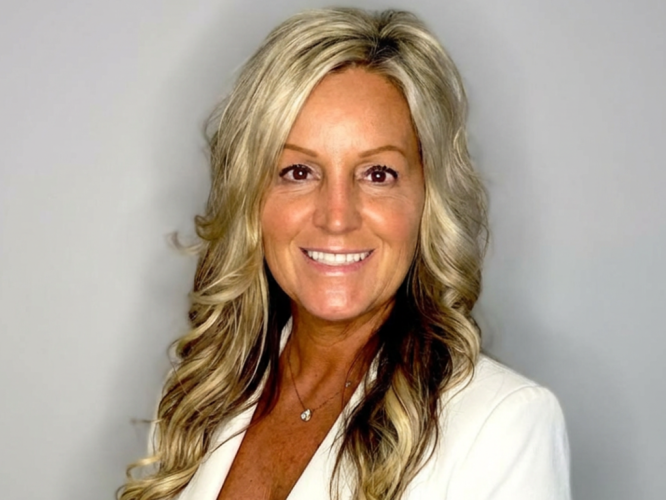
For University of Kentucky College of Social Work Assistant Professor Dr. Nicole McKenna, her path to the criminal justice field is personal. 

Growing up, she watched family members move in and out of the justice system, often beginning with low-level offenses that escalated over time. Through conversations with a loved one serving a sentence, she began to understand the deeper role trauma played in shaping those outcomes. That understanding only deepened in college, when she worked as a case manager supporting women returning from prison, nearly all had experienced significant trauma throughout their lives. 

“Between my personal experiences, my professional work, and what I was learning in the classroom, I knew I wanted to dedicate my career to understanding trauma and the criminal justice system,” McKenna said. 

Today, her work centers on participatory research, an approach that engages people directly impacted by the system as partners in the research process. In a recent project examining reentry, formerly incarcerated men helped design the study, conduct interviews, and share findings. At a community reentry meeting earlier this year, participants presented their experiences to a room filled with peers and loved ones. 

“Hearing them talk about their journeys and how research can be empowering, it was incredible,” she said.  

McKenna hopes her research will shift how systems respond to individuals by recognizing the full impact of trauma, both before and during system involvement. From childhood adversity to the experience of incarceration itself, she emphasizes the need for approaches that prioritize prevention, healing, and support. 

“By recognizing these experiences, we can begin to prevent them,” she said, pointing to community-based programs, restorative justice practices, and efforts to reduce incarceration as critical steps forward. 

At the CoSW, McKenna has found a collaborative environment to grow this work, crediting both her colleagues and students for shaping her experience. 

“I’m blown away by the questions students ask and the conversations we have,” she said. 

She also encourages future criminal justice professionals to listen closely to those most impacted by the system.  

“You’ll be making decisions that affect their lives,” she said. “It’s critical to understand their experiences. Read their stories and hear from them directly.” 

For McKenna, National Criminal Justice Month is an opportunity to highlight the broader impact of this work. 

“So often, we hear about the negative aspects of criminal justice,” she said. “But there is so much meaningful, impactful work being done in this field. National Crimina Justice Month gives us a chance to highlight that.” 

National Social Work Month: A Q&A with Dr. Tarkington J Newman

LEXINGTON, Ky. – Throughout National Social Work Month and National Criminal Justice Month this March, the University of Kentucky College of Social Work (CoSW) will be sharing stories about the humans of the CoSW, highlighting the critical role our people play in supporting individuals, families and communities across Kentucky and beyond.  

Dr. Tarkington J Newman, associate professor and director of the Sport Social Work Research Lab, sat down with the CoSW to share more about their career in social work and what National Social Work Month means. Arriving at the CoSW in the fall of 2023, Newman’s work explores how sport and recreation can be used to promote healthy youth development. 

What inspired you to pursue work in the social work field, specifically in your research area of sport social work and positive youth development? 

My two passions collided during my MSW program, where I was able to integrate my school social work training with my background in coaching. I was empowered to really craft my own practicum experiences, where I was able to begin conceptualizing how coaches could leverage social work values, knowledge, and skills to promote the healthy  development of youth.  

What are you most proud of thus far in your career? 

As I progress throughout my career, I’ve been so privileged to work with and mentor students. I am continually inspired by their passion, creativity, and genuine desire to make change through novel research studies and innovative research methods. 

What impact do you hope your research makes on Kentucky, nationwide, and internationally? 

The goal of my research is to amplify the voices of youth, athletes, and coaches—sharing their stories of advocacy, triumphs, and resilience. My hope is that these stories will empower those involved with sport to prompt meaningful change in their own communities. 

What has been your favorite part of being a faculty member at the CoSW so far? 

The CoSW is a mosaic of experience and expertise—as a researcher, it’s motivating to work with such innovative faculty, staff, and students each day. 

What advice do you have for aspiring sport social work professionals? 

Get involved—you can only learn so much from the sidelines! 

What’s coming up? Any new projects or initiatives? 

With the amazing support of our campus and community partners,  hardworking team of practicum students, and leadership from Drs. Carlyn Kimiecik and Matt Moore—the Sport Social Work Research Lab will be (co)hosting a variety of events throughout the spring semester. Be sure to be on the lookout for more information about the National Social Work & Criminal Justice Month UK Baseball game (March 31), Lunch and Learn roundtable about youth sport programs (April 9), the annual Global Games campus event (April 15), and the Mind in Motion Mental Health Symposium with Fredrick Douglass High School (April 17). 

What does National Social Work Month mean to you and why is it important to recognize the work being done in the field? 

It’s an opportunity for a moment of not only reflection, but celebration, of the individuals, families, and communities with whom the social work profession is devoted to empowering and uplifting. 

UK College of Social Work hosts screening of “Their Truth” documentary

LEXINGTON, Ky. (March 30, 2026) — The University of Kentucky College of Social Work, in partnership with the Department for Community Based Services, will host a screening of the documentary “Their Truth,” a film highlighting the lived experiences of youth aging out of foster care.

The documentary shares firsthand accounts of young people navigating the transition to adulthood, offering a look at both the challenges they face and the resilience they demonstrate. The film highlights the importance of strong support systems in helping youth build stable, successful futures.

Following the screening, attendees will have the opportunity to engage in a live panel discussion featuring the four youth highlighted in the film. The discussion will be moderated by the film’s director, Ian Rosser, and UK College of Social Work Dean Jay Miller, creating space for deeper conversation around the experiences and themes explored in the documentary.

The event will take place at the Lyric Theater in Lexington on April 30, 2026. Doors open at 6 p.m. with the screening beginning at 6:30 p.m. ET. This event is open to public. Seating is limited and advance registration is encouraged.

To learn more and register, please visit the event website.

The screening brings together students, professionals and community members to elevate the voices of young people with lived experience in foster care and to inspire meaningful dialogue around how systems and communities can better support them.

UK social work alumna returns home to support community-driven change in Martin County

LEXINGTON, Ky. – A passion for her community and a call to serve led Madison Mooney back to Martin County, Kentucky. A University of Kentucky College of Social Work Master of Social Work (MSW) alumna, Mooney returned home to apply the training she received at UK where it mattered most, her hometown.

While at UK, Mooney connected with the UK Appalachian Center after receiving an invitation for students interested in returning to work in Martin County. Attending that meeting became a turning point.

“When I went to the meeting, I saw people from Martin County. People I had gone to school with and grown up with,” Mooney said. “It felt powerful to see people from home wanting to help their community and build something positive.” 

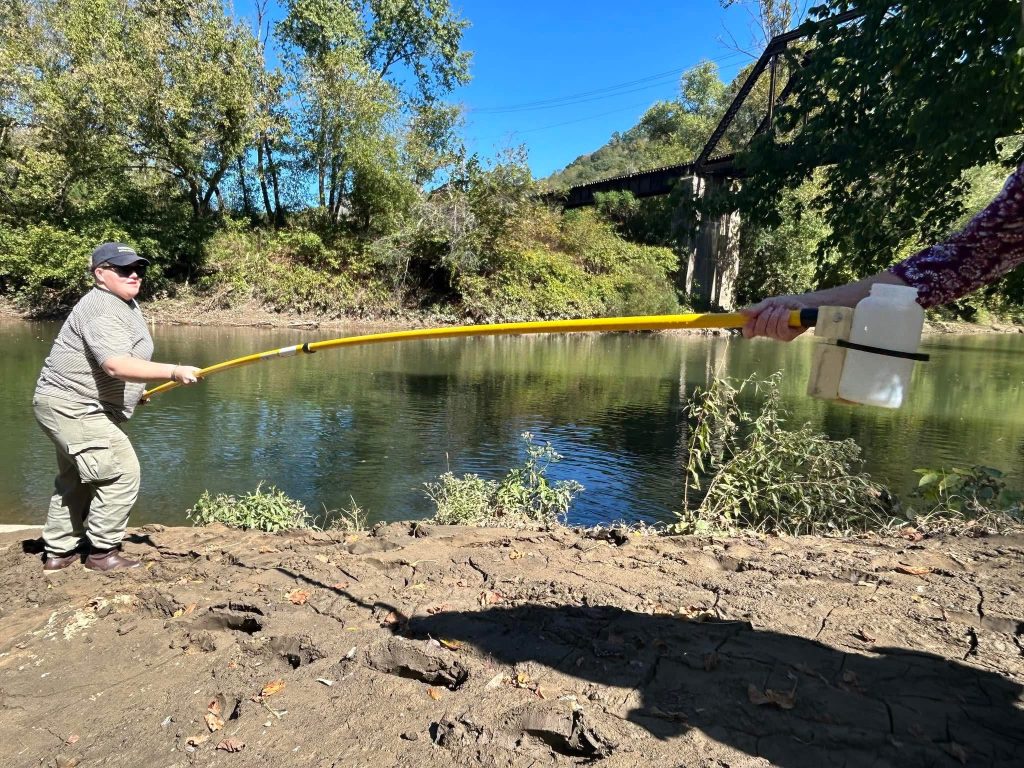
Through that connection, Mooney became involved with the Martin County Water and Health Study, supporting research focused on the region’s long-standing water challenges.

Martin County has faced decades of issues surrounding its water system, including the coal slurry spill that occurred on Oct. 11, 2000. While the spill itself is no longer the central issue, its impact continues to shape how residents view the system and the institutions responsible for maintaining it.

“Today, there have been improvements within the water system in Martin County,” Mooney said. “However, trust within the community is still fragile. My work often involves helping bridge the gap between the community and the systems that serve it.”

After briefly working in Morehead following graduation, Mooney returned to Martin County to continue that work through the Water Collaboratory, a program focused on water systems and community engagement.

She now serves as Community Care Coordinator for the Livelihood Knowledge Exchange Network (LiKEN), a nonprofit focused on community-based research and connecting people with education, resources, services and opportunities that can improve present and future livelihoods.

In her role, Mooney leads field work, mentors community engagement coordinators and works closely with residents to better understand community needs.

“Our organization focuses on meeting communities where they are,” Mooney said. “We spend a lot of time listening to residents – hearing their stories, challenges and ideas, and then connecting communities with resources and opportunities that can support them.”

Outside of her role at LiKEN, Mooney is active in several organizations focused on environmental advocacy and community engagement in Eastern Kentucky. She serves on the board of Martin County Concerned Citizens, a grassroots group formed in 2019 to elevate community voices around local water issues, as well as Friends of the Tug Fork River, which works to protect and restore the river that runs between Kentucky and West Virginia. She also serves on the board of Kentucky Watershed Watch, a statewide program that trains volunteers to monitor water quality and advocate for healthier waterways.

Mooney credits her time in the College of Social Work’s MSW program with preparing her for the important work she does today.

“My time at the University of Kentucky played a major role in preparing me for this work,” Mooney said. “Courses focused on community practice, research and policy gave me the skills I use every day.”

For Mooney, returning to her hometown was both a professional and personal decision.

“Oftentimes, for students from rural communities, there is pressure to leave,” Mooney said. “But my advice is to listen to your own heart. If you feel called to go back home and help create change, follow that path.”

Supporting students who want to serve their communities is central to the mission of the College of Social Work. Through initiatives like the KY E.D.G.E. (Education. Development. Growth. Empowerment) Scholarship Fund, the College is working to prepare more Kentuckians for careers in social work and criminal justice.

For Mooney, those opportunities can help ensure more students are able to return home and make a difference in the communities that shaped them.

“Social work touches so many areas of life” Mooney said. “Scholarships allow people to follow their passion and create meaningful change where it’s needed most.”

Today, Mooney continues working to support residents in Martin County while helping amplify the voices of the community she has always called home.

“If we want change, we have to be willing to be part of it,” Mooney said. “Social work gave me the tools to turn that belief into action.”

Social Work’s Dr. Abbie Latimer to give TEDxUKY Talk

LEXINGTON, Ky. – University of Kentucky College of Social Work’s Abbie Latimer, Ph.D., MSW, LCSW, APHSW-C, is giving a TEDxUKY talk on April 19, 2026. Latimer’s talk will focus on how recognizing and responding to emotion that accompanies the discomfort of having hard conversations can ultimately lower distress and encourage connection. 

Dedicated to sharing ideas worth spreading, TEDxUKY talks have reached over 309,000 views on YouTube, inspiring listeners across the world. The theme of the 2026 event is “The Ripple Effect.” Over 90 applicants applied across the University of Kentucky and only six were accepted. 

Latimer, an assistant professor with the CoSW, studies serious illness communication with older adults, including individuals with heart failure and who are unhoused. Her 15 years of palliative and hospice experience span across the spectrum of healthcare—nursing homes, home settings, hospitals, and clinics.  

“Through this work, I’ve witnessed both the profound humanity and the moral distress that arise when systems fall short of compassion and suffer from inadequate organizational support,” Latimer shared. “My perspective bridges research and real-world care, grounded in the belief that how we show up for people in their most vulnerable moments defines who we are and our healthcare practice.” 

In 2025, Latimer co-led Care2Count, partnering with leaders at UK HealthCare to expand annual Kentucky K-Count efforts, providing hospitals and researchers with crucial information to improve healthcare for individuals with housing needs or who are at risk of homelessness. 

Latimer was also recently published in the Journal of Cardiac Failure Intersectionsexamining the role of psychosocial factors in determining eligibility for ventricular assist devices (VADs). Despite their importance, these factors are inconsistently defined and applied, raising concerns about bias and inequity. In the publication, Latimer and her team outline practical steps to standardize evaluation, strengthen the evidence base, and promote more equitable decision-making. 

For those interested in attending Latimer’s TEDx talk, the event is open to the public and begins at 2pm ET in the Gatton Student Center Grand Ballroom. For more information and to see the full list of speakers, please visit the TEDxUKY website. Tickets can be purchased here